


Find out why it cracked
Shrinkage, stress, movement or bond failure. They look similar from ten feet away and they need completely different work. The whole job follows from getting this right.
10 service categories · 100 service pages · Miami-Dade, Broward & Palm Beach
View all services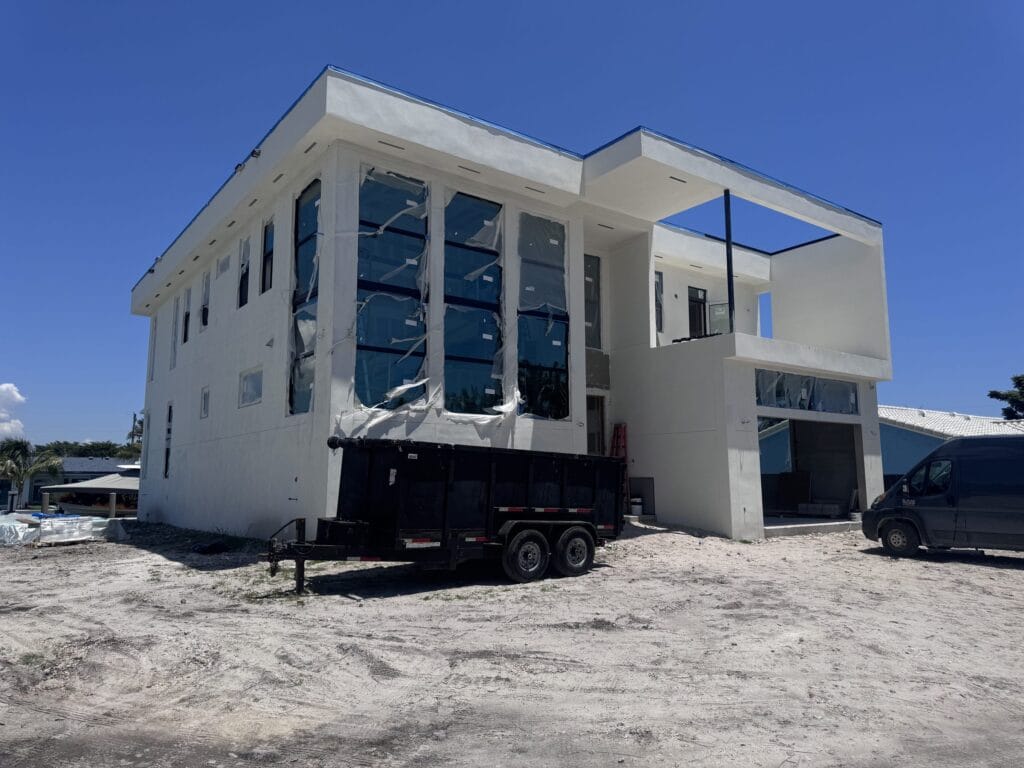
Stucco repair and exterior painting across Miami-Dade, Broward and Palm Beach — cracks diagnosed and repaired first, because paint over a moving wall fails on the wall's schedule, not yours.
Miami-Dade · Broward & Palm Beach Counties
ScrollExterior painting & stucco repair
Almost every exterior repaint that fails early fails for the same reason: the wall underneath was never fixed. Coating buys you a season. Diagnosis buys you a decade.
Stucco cracks for several different reasons and they do not have the same cure. Hairline shrinkage cracking is cosmetic and takes a flexible coating. Cracking that follows a straight line off the corner of an opening is stress cracking, and it wants the cause addressed. Cracking that runs with the block joints, or that comes with hollow-sounding areas, means the render has lost its bond and patching over it simply moves the failure sideways.
Moisture is the other half of the story. Water gets in at wall heads, at openings, at the ground line and behind anything fixed through the render. Once it is in, it moves through the wall and pushes the coating off from behind — which is why blistering paint is usually a wall problem rather than a paint problem.
So the sequence matters more than the specification. Survey, sound out the render, establish why it cracked, repair, then prepare, prime and coat. Done in that order, an exterior finish behaves. Done in the other order, you repaint a lot sooner than you planned to.
How we work
Shrinkage, stress, movement or bond failure. They look similar from ten feet away and they need completely different work. The whole job follows from getting this right.
Tapping the wall finds hollow areas that look perfect. Coating over a debonded patch is the most common way an expensive repaint fails within two years.
Wall heads, copings, openings, penetrations and the ground line. If water is still getting in, the coating is being asked to do a job it cannot do.
A patch that is a different texture or a different plane is visible forever, whatever colour goes on top. Matching texture is skilled work and it is where care shows.
Washing, removing failed coating, treating growth, filling and priming. It is the unglamorous majority of the labour and the reason the finish holds.
UV, driving rain and humidity are the load here. Elastomeric and breathable systems behave very differently, and the right answer depends on the wall, not on the tin.
Elevations · 01
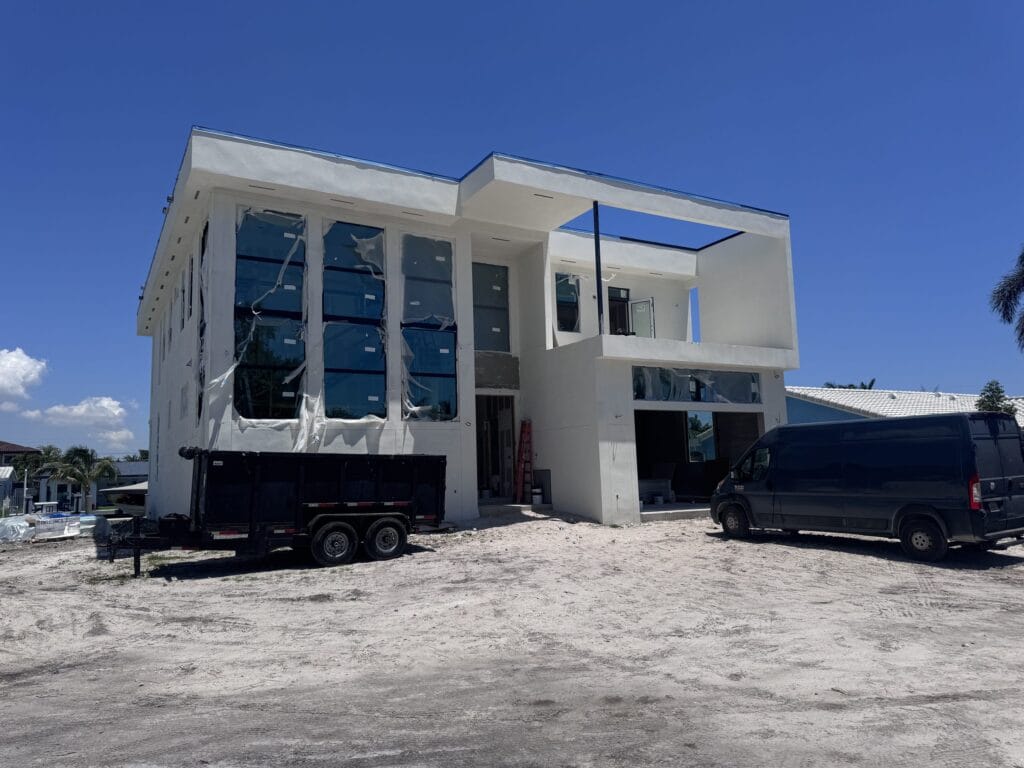
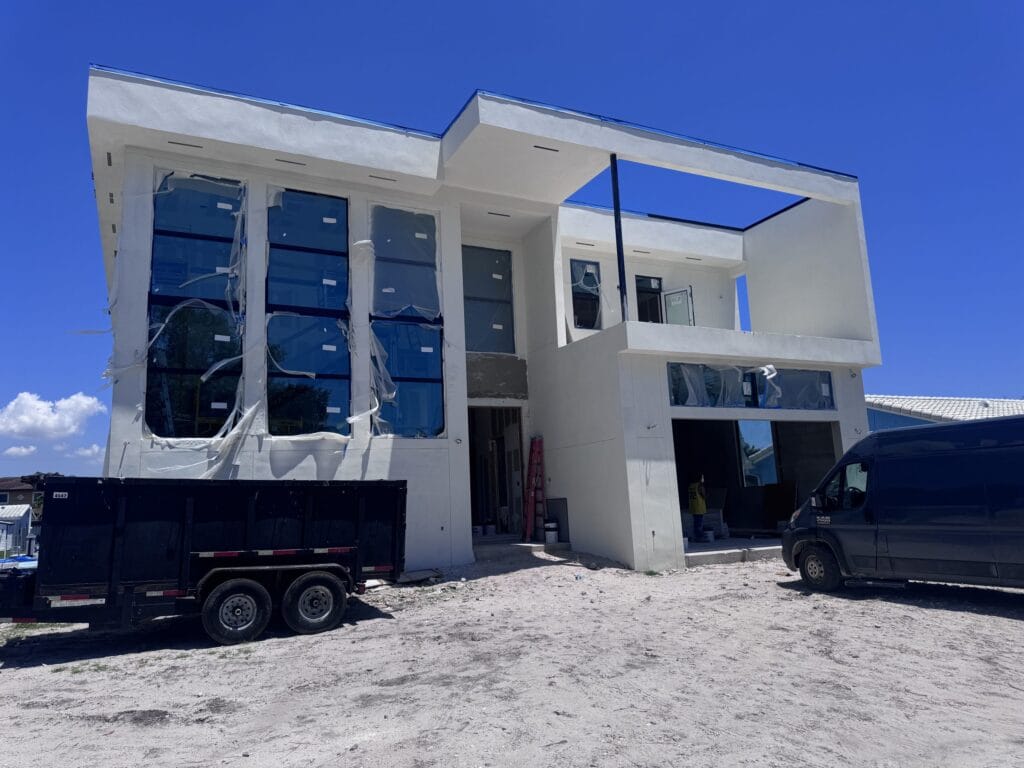
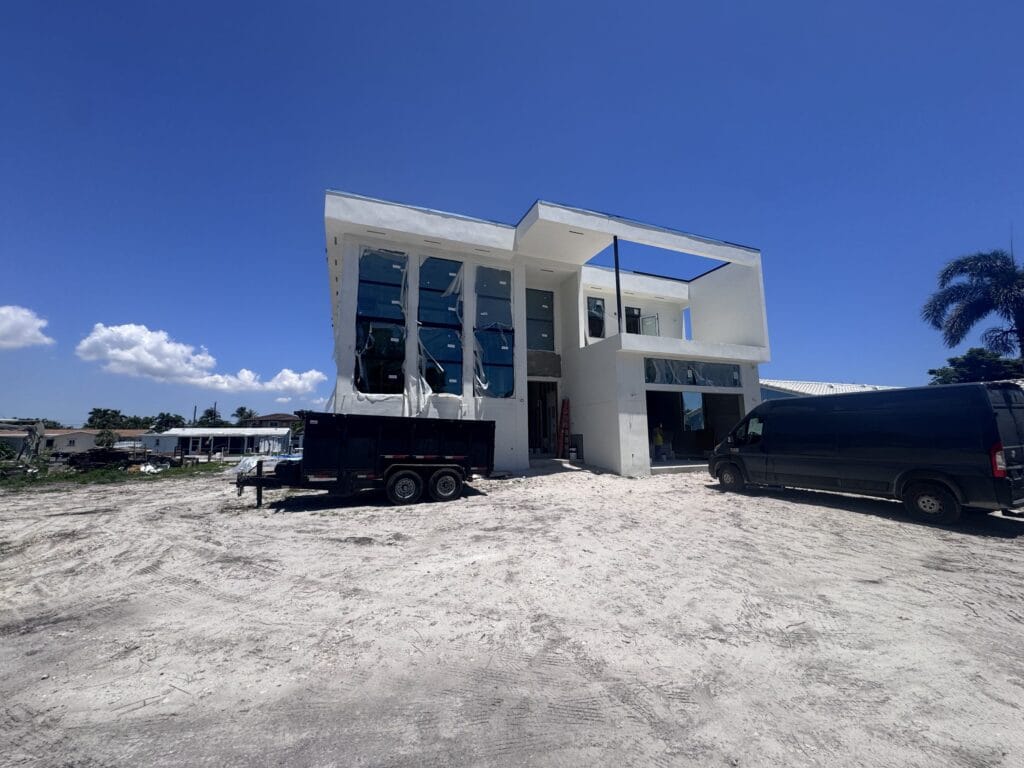
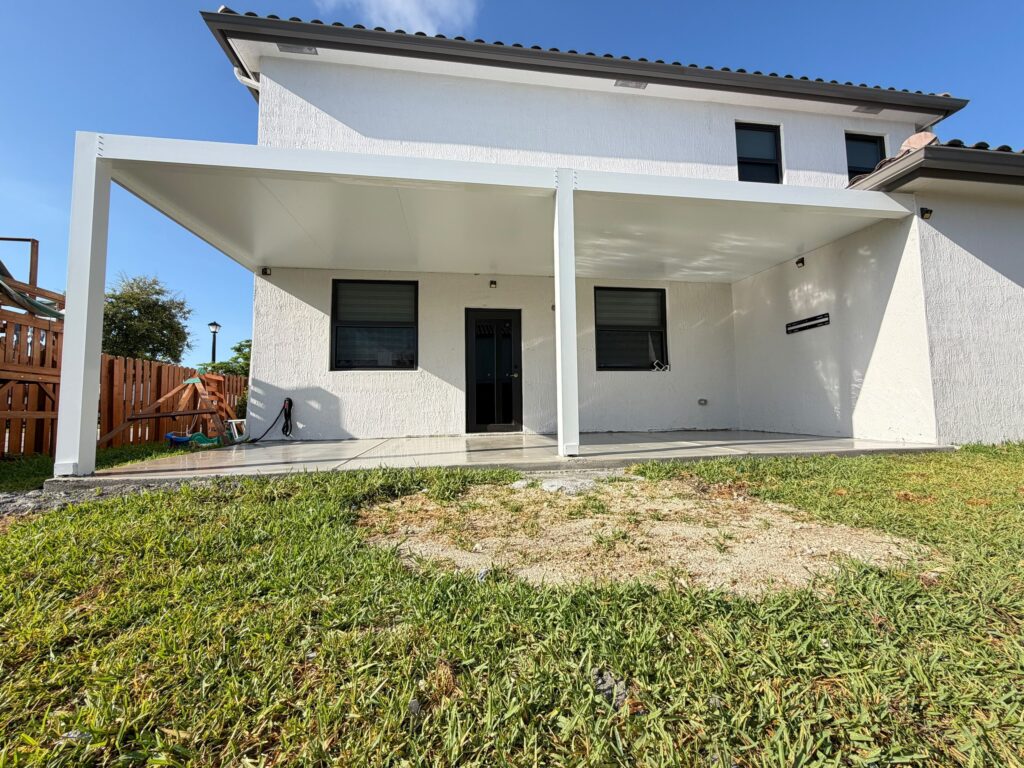
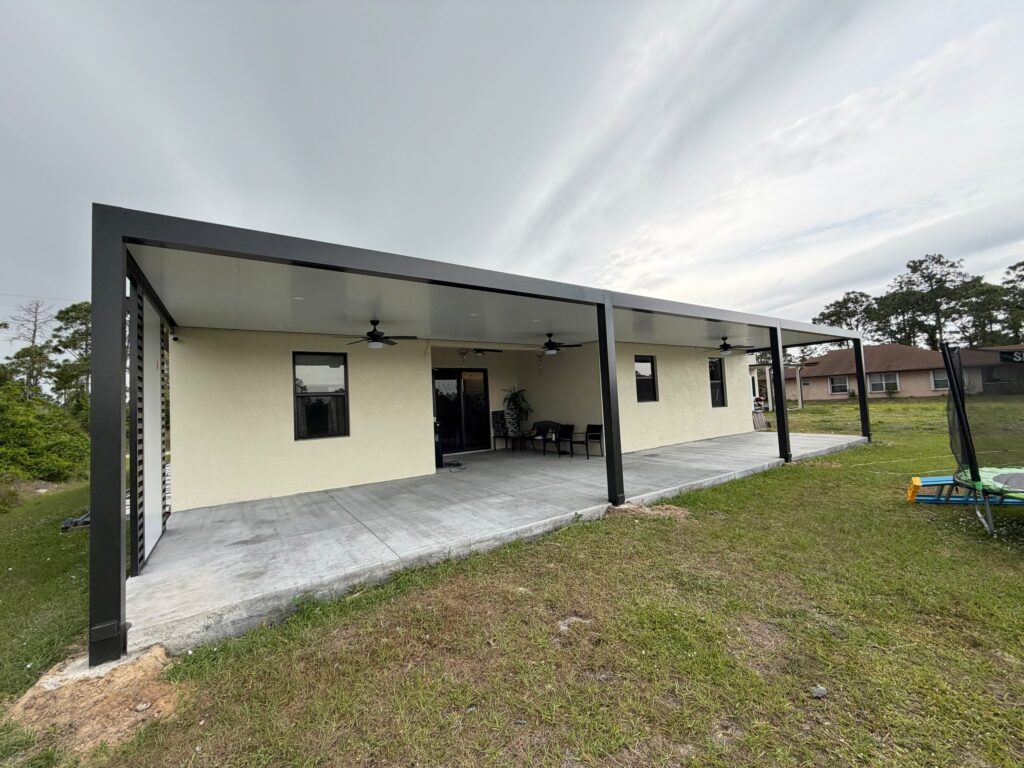
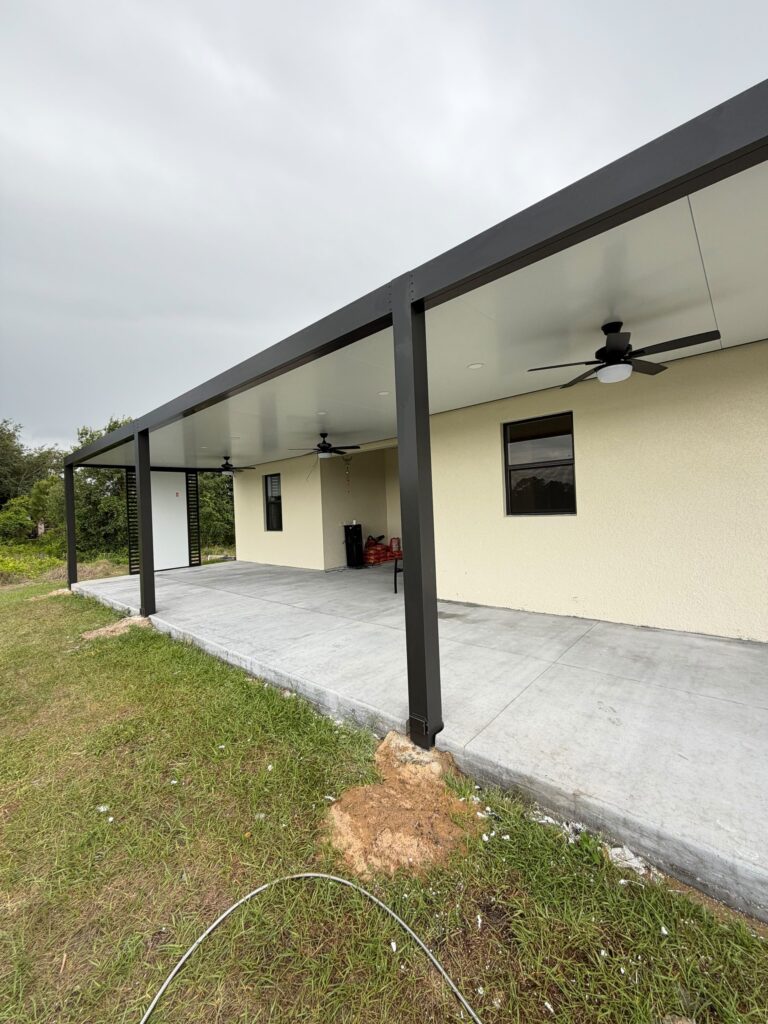
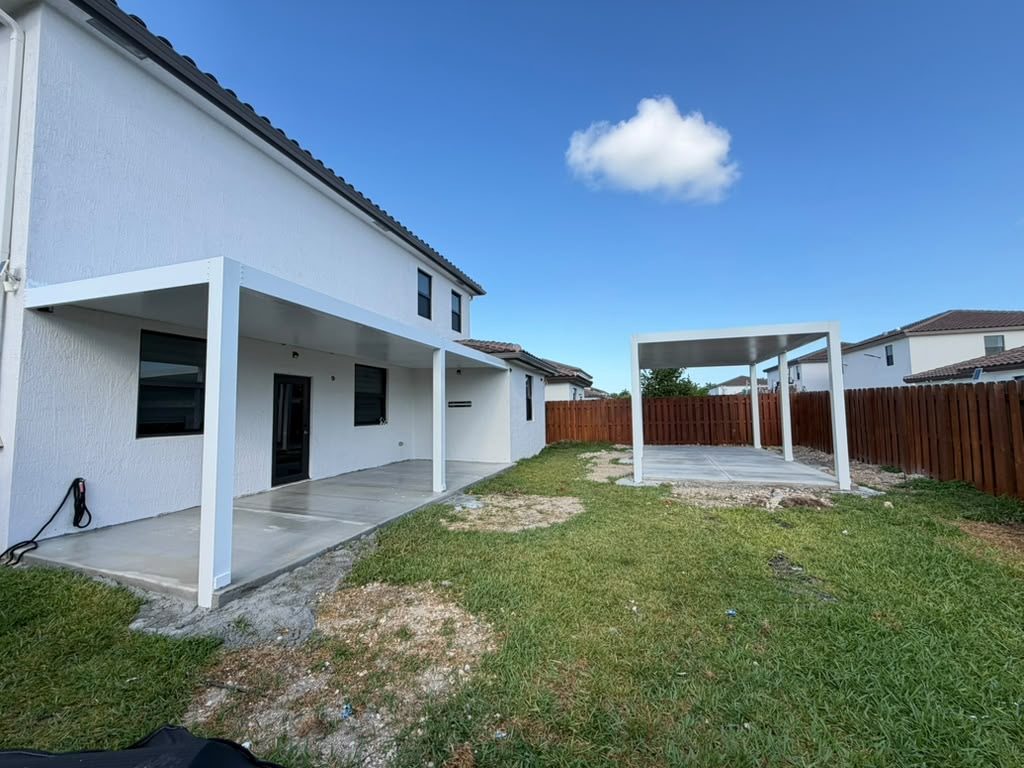
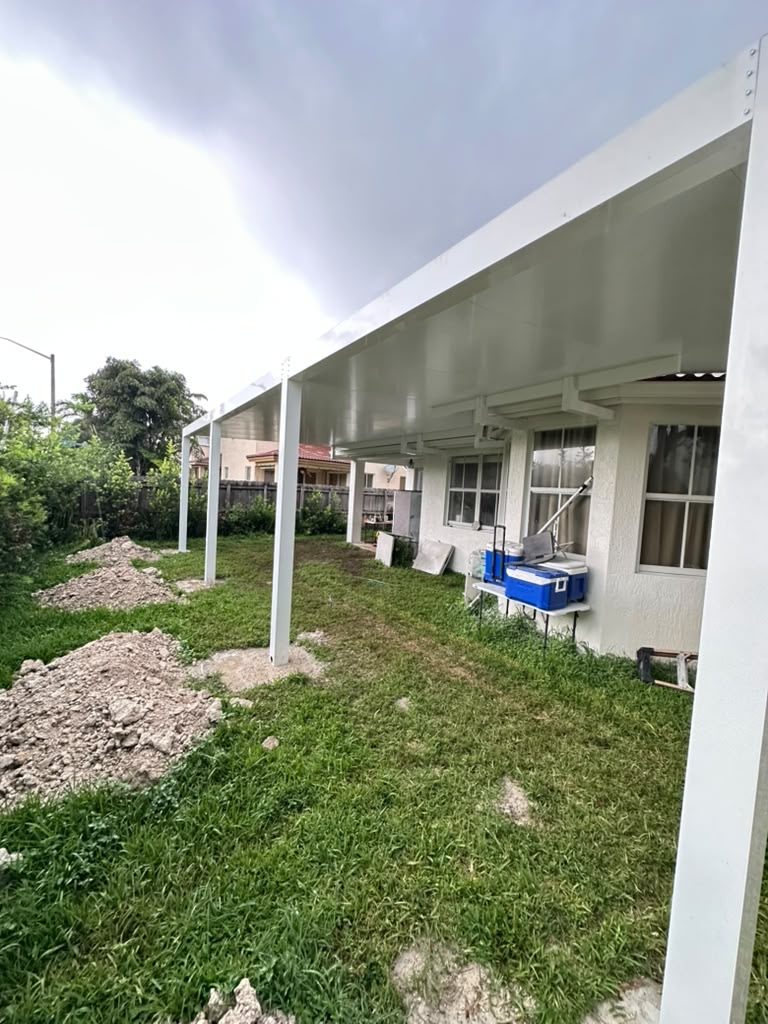
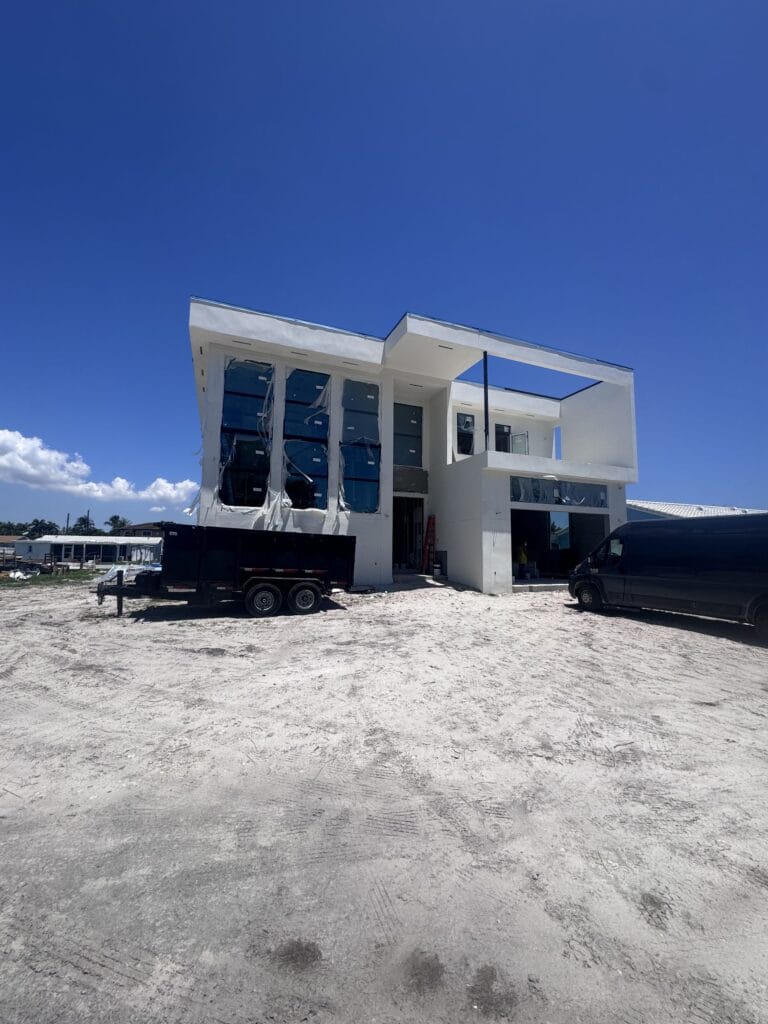
A two-storey rendered elevation with the glazing bays stacked up the building face and a deep roof overhang, photographed during the stucco and glazing stage.
What the photographs show
Several of the elevations here are long, flat and painted a single pale colour. That is the most demanding thing you can ask of a rendered wall, because when the sun comes across it at a low angle every undulation, every patch and every float mark is visible from the far end.
It is also why matching a repair is skilled work rather than filling work. A patch has to match the plane and the texture, not just the colour, and the point at which new work meets old — a new covered structure fixed back to an existing wall, for example — is where that shows most.
Paint over a debonded patch and you have not fixed a wall. You have hidden one, at full price.
The second gallery is the unglamorous half: reveals, wall heads, the junction where a new column base meets an existing wall, and the ground line. Those are the places water gets in and coatings come off, and they are where a stucco job is actually decided.
| Walls shown | Rendered masonry, single and two-storey, painted and unpainted |
|---|---|
| Conditions | Finished elevations, and walls exposed during adjacent construction |
| Details visible | Opening reveals, wall heads, soffit junctions and ground lines |
| Settings | South Florida residential lots across the tri-county area |
| Not documented | Address, client, cost, dates and the coating specification used |
These frames were photographed on Elbaz project sites and are included to show stucco elevations and painted finishes in this climate. Several come from projects whose scope was a driveway, a covered structure or a deck; where that is the case, the wall is shown for the wall, and we make no claim that the existing coating on it was our work.
Detail
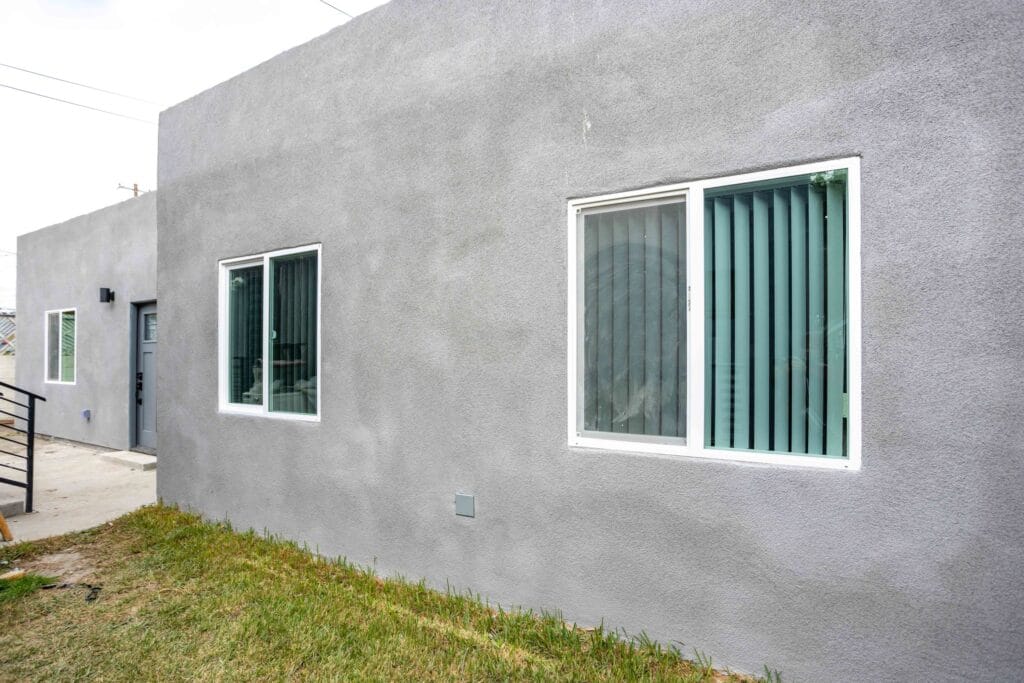
The ground line
The bottom of a rendered wall is where splashback, irrigation, mulch piled against the render and rising damp all meet. It is the most common place for stucco to debond and for coatings to lift, and it is almost always the least inspected part of the elevation. Getting the termination detail right at the base — and keeping the ground away from it — does more for the life of a finish than any upgrade in the paint specification.
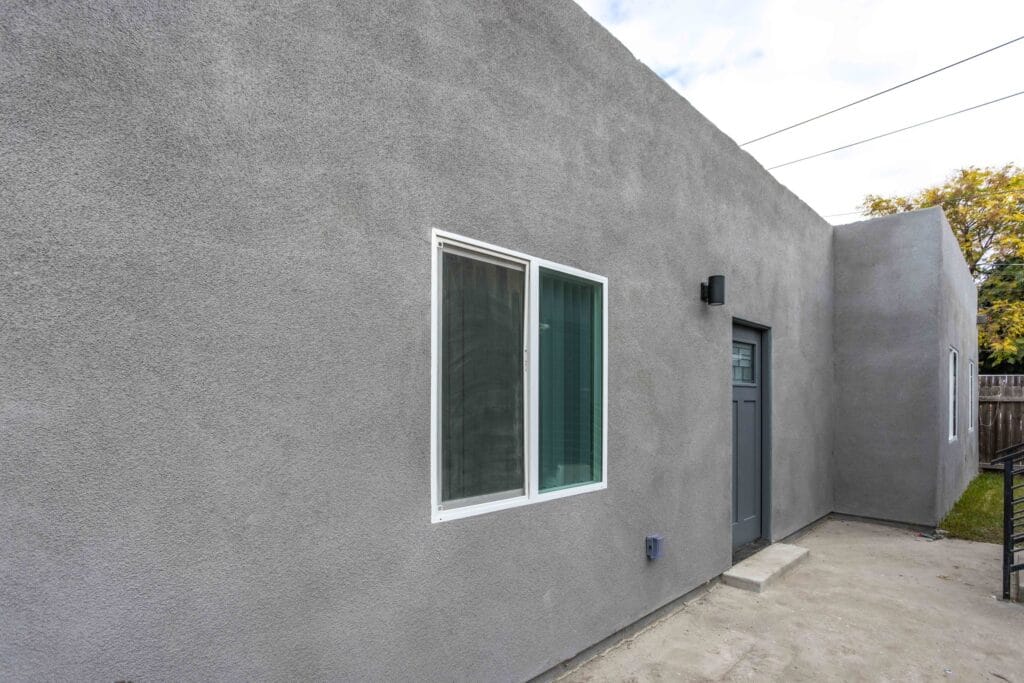
Openings
Stress cracks start at opening corners and water gets in at reveals. Both are detailed deliberately rather than filled at the end.
New meets old
Where a new structure fixes back to an existing wall, the repair has to match plane and texture. Colour is the easy part.
Wall heads
Copings, terminations and the junction with the soffit. Water that gets in here travels a long way before it appears.
Stucco returns
A return that’s built out flush and square reads as design. One that’s rushed reads as a shortcut.
Protection
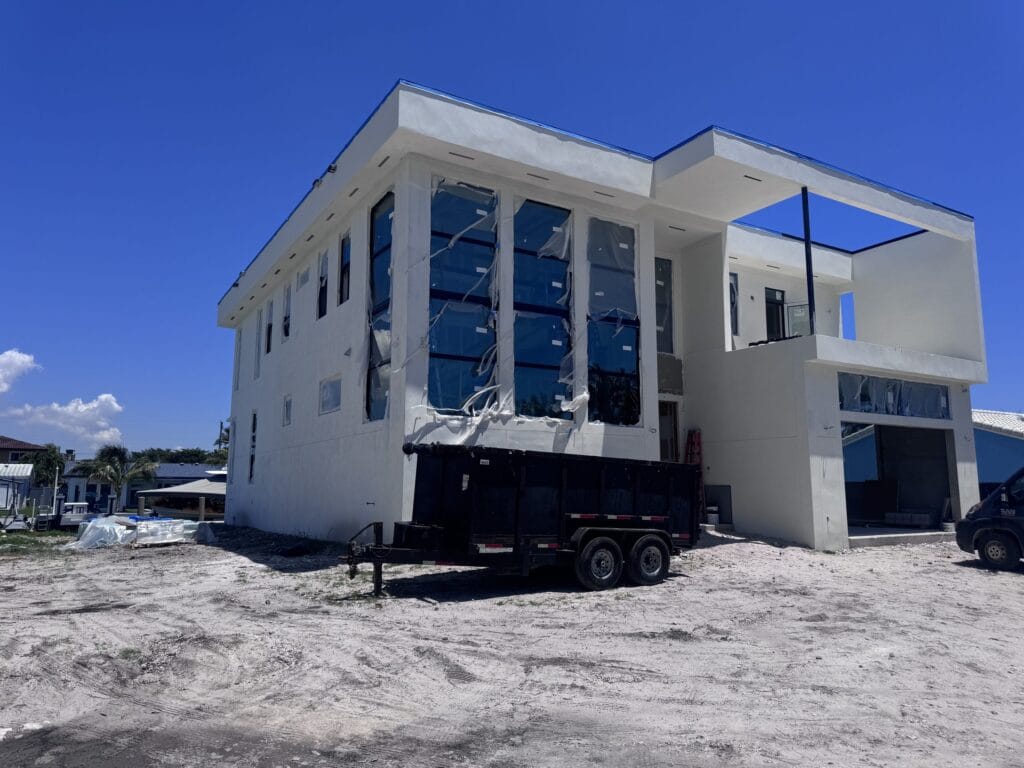
Here the glazing is wrapped in protective film while stucco and trim work continues elsewhere on the house — the same logic that keeps a finished elevation from being damaged by work still underway nearby.
Common questions
What South Florida owners ask before repainting or repairing an exterior.
It depends on exposure, the coating system and the condition of the render beneath. A sound wall with the right system lasts considerably longer than a compromised one with the best paint on the market, which is why we survey before we quote a cycle.
For fine shrinkage cracking, a flexible coating is a legitimate answer. For stress cracks, movement cracks or debonded areas it is not — the crack comes back through, usually within a season or two.
That the render has lost its bond to the substrate. It has to be cut out and rebuilt. It is the single most important thing a survey finds, and it is invisible from a photograph.
Almost always moisture moving out through the wall rather than a defective coating. The fix is finding where water is getting in — wall head, opening, penetration or ground line — before any repainting.
No. It bridges fine cracks well, but on a wall that is holding moisture a heavy film can trap it and make things worse. Which system is right depends on the wall.
Painting usually does not; structural repair, larger areas of render replacement or anything affecting the building envelope can. It is confirmed with your municipality rather than assumed.
Usually. Matching texture and plane is the skilled part of stucco repair, and it is what decides whether a repair disappears or is visible forever in raking light.
It is driven by how much repair the survey finds, and by weather — coatings have temperature and humidity windows, and in the wet season those windows move. We programme against that rather than promising through it.
The wall is cleaned appropriately for its condition. Aggressive washing on a compromised render can drive water in and damage the surface, so the method follows the survey.
Yes. New render on new or extended structure, and making good where new work meets an existing elevation, are both part of what we do as a general contractor.
Your details are with the Elbaz Construction team and we will come back to you, usually the same or next working day. If it is urgent, call (754) 236-0675.
Closer · 02
How the work runs
Walk the elevations, map the cracking, and sound the render for debonded areas.
Wall heads, copings, openings, penetrations, drainage and the ground line.
What each crack pattern means, what has to be rebuilt and what can be filled.
Confirmed with the municipality for structural or larger-area work.
Debonded render and failed coating cut out back to a sound edge.
Render rebuilt in coats, matched to the existing plane and texture.
Terminations, sealant and flashing at the points the survey identified.
Cleaning, treating growth, filling, and priming to suit the substrate.
The chosen system applied within its temperature and humidity window, in the specified number of coats.
Elevations checked in raking light, touched in, and the site cleared.
Whether a scope needs a permit depends on your municipality and on what the work affects. Coating application windows depend on the product and the weather. We confirm both for your property rather than working from a general rule.
Diagnosis
Fine, random, all over an area. Usually shrinkage in the render itself. Cosmetic, and the one case where a flexible coating genuinely is the answer.
A straight crack running away from the corner of a window or door is a stress crack. The render is reporting movement, and filling it without addressing that just gives you the same crack again.
A regular, rectilinear pattern echoing the masonry behind. Usually differential movement or a bond problem, and it wants more than a skim.
Tap it. A dull, drummy sound means the render has lost its bond to the substrate. It has to come off and be rebuilt, however sound the surface looks.
Nearly always moisture moving out through the wall, not a bad coating. Find the water first — wall head, opening, penetration or ground line — or the new coat does the same thing.
Dark streaking below a sill or a coping is a drainage detail failing. Biological growth is a moisture and shade problem. Both come back if only the surface is treated.
This is a general guide to what different crack patterns commonly indicate on rendered masonry in this climate. It is not a diagnosis of your wall — that needs somebody standing at it, sounding it and looking at where the water is coming from.
Budget
Debonded render and structural cracking are the difference between a decorating job and a construction job. This is why nobody honest quotes from a photograph.
Square footage, storeys and how much of it is reachable from the ground rather than from access equipment.
Scaffold, lifts, tight side returns and anything worked over a pool or a planted garden. Access can cost more than the coating it delivers.
Washing, removing failed coating, treating growth and filling. The majority of the labour on most repaints.
Elastomeric, acrylic or mineral, and how many coats. A real difference, but smaller than the condition of the wall under it.
Terminations, sealant, flashing and trim. Small money that determines how long everything above it lasts.
The bars show the relative weight these factors typically carry against one another on exterior painting and stucco work. They are not prices, percentages of a budget, or a quotation, and the order changes with the condition of the wall.
Google reviews
4.8
Asher was knowledgeable and gave us cool ideas that we didn't even know before. Nice beautiful color and design. We appreciate the price !
I give them a five star rating not only for their excellent roofing skills and timelines, but also for their competitive pricing and the honesty and professionalism of the team !! We are very pleased with the outcome
Elbaz Construction provided excellent service and outstanding craftsmanship. The team was professional and attentive to our needs. We’re extremely satisfied with the results!
We had a good time dealing with Asher and the crew, he went over and above all our expectations and made every effort to ensure that the end result was up to their high standards. Thank you !!
If you are planning to remodel your kitchen or bathroom or do any other construction project, call Sean from Elbaz Construction . He has a lot of experience and will recommend the best options/ suggestions to your project. He did high quality job !
Asher has a lot of experience . We replaced our windows to energy efficient windows. He got down to business right away and did high quality work. His team is very professional! Thanks again
Review text is reproduced verbatim from the connected Google Business Profile, including its original spelling. Nothing is rewritten, shortened or combined. No review schema is emitted on this page.
Project files
These photographs show finished exteriors from several Elbaz jobs. They show the result, not the repair stages, so each file points at what the finish tells you.
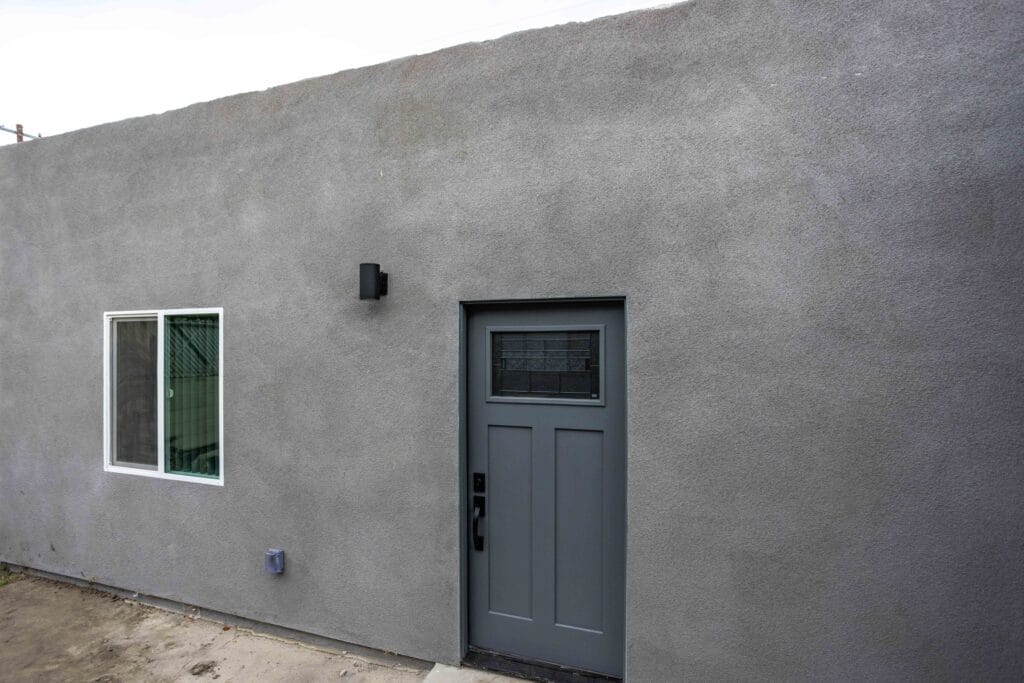
Photos from several Elbaz jobs, not one house. Two beige stucco homes have white or black trim, a gray ranch home has a breeze-block screen, and another sits behind palms, oaks and a long driveway. All show finished wall surfaces.
Look at the long wall faces and the corners around windows. A repaired stucco wall should read as one surface, with no patches showing through the paint.
Collection: photos from several Elbaz Construction jobs · 3 photos
Photos from several Elbaz jobs, not one house. White two-story homes with black railings and window frames sit beside low modern homes with black fences, palms and slash pines. The strong contrast makes any wall flaw easy to see.
White walls beside black frames show every wave and patch. Look along the walls for an even surface and clean lines where color meets color.
Collection: photos from several Elbaz Construction jobs · 3 photos
Budget and schedule
Typical shares and a typical order of work. The amount of stucco repair moves both the most.
These are typical shares; the amount of repair needed moves them most.
Cure time for stucco repairs, not painting, usually sets the pace.
Drawn out
Three drawings of what lies under, and around, the finish you can see.
Stucco goes on in three coats over lath or block. Each layer has a job, and a weak layer shows up later as a crack or a hollow patch.
Ground at the base of the wall should fall away from the house. Water that sits against stucco finds its way in and lifts the paint.
Many South Florida walls are concrete block with a tie beam and filled cells. The block carries the load, and stucco is the skin on top.
Scope planner
Choose the closest option to see the trades involved and a rough range of weeks on site.
Finishes
Four views where two finishes meet: stucco and block, white and black, wall and roof. Clean lines at those edges are the sign of careful prep.
More questions
Questions that come up once the survey is done.
Ask us directlyLighter, high-reflectance colors take less heat and move less than dark ones, so they tend to age more gently. Dark colors on stucco absorb heat and can show hairline cracking sooner. If you want a dark accent, we suggest using it on trim, doors or a feature wall instead of every surface.
We can, and it usually makes sense. Repainting only the walls leaves tired trim that makes the new color look worse. Soffits and fascia are checked for rot or soft wood first, because paint will not hold on damaged material. We list each surface in the scope so nothing is assumed.
Landscaping is covered or tied back, windows and fixtures are masked, and vehicles are moved before any spraying. We look at wind direction because overspray carries. After each day we remove the masking, so you can see exactly what was done and what remains for tomorrow.
Yes, with planning. Paint needs a dry surface and a dry window afterward, so we work in the morning and stop if rain is coming. High humidity and dew slow curing, and a wall that is damp inside will blister the coating. We check wall moisture and the forecast before each coat.
Stress collects at the corners of openings, where the wall is weakest. Cracks that run diagonally from a corner are common, and they can reopen if the repair ignores the cause. We open the crack, add reinforcement where needed, patch, and match the texture before priming.
Fresh stucco is alkaline and holds water, and coating it too early traps moisture and can cause peeling or white salts on the surface. Follow the plasterer's and coating manufacturer's cure guidance, which is usually measured in weeks, not days. We schedule the paint after the patch has dried.
Where stucco meets a window or door frame, a flexible sealant joint takes up movement that paint cannot. We cut out cracked or failed caulk and replace it with an exterior-grade sealant after priming. The joint is the first place water enters, so it deserves the same care as the wall.
It can help a little, but the effect depends on the roof, the shade, the windows and the insulation. A light wall reflects more heat than a dark one, and a reflective coating can add to that. We would not promise a particular saving. Treat it as a comfort benefit, not a guarantee.
Proudly serving homeowners across Miami-Dade, Broward and Palm Beach
104 municipalities across three counties — and we hold the licence to build in all of them. Not sure about your address? Ask us.
Keep reading
Cost guide
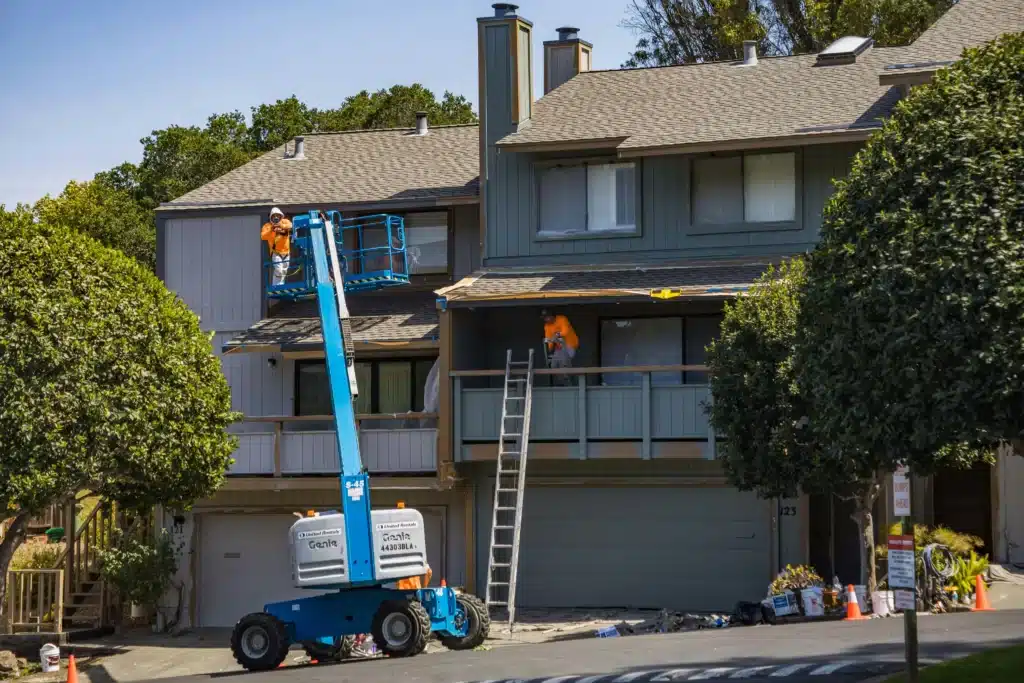
Where exterior work sits against the rest of a property budget.
Value
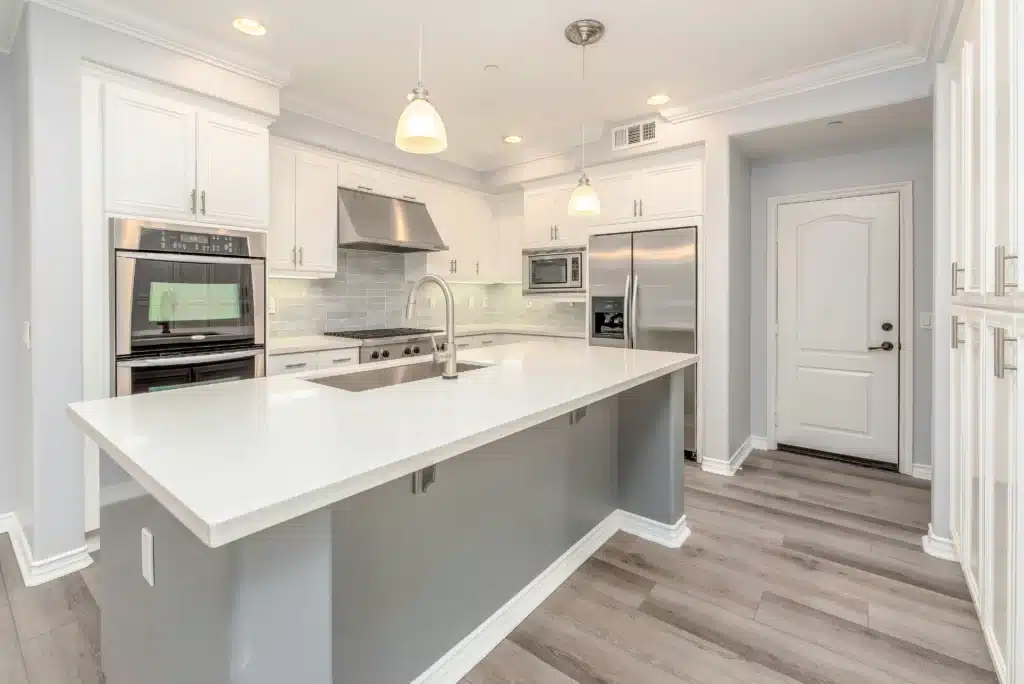
Kerb appeal is the cheapest thing on this list and it is not close.
Scope
Recoating and rebuilding a wall are different jobs with different permit paths.
Your details are with the Elbaz Construction team and we will come back to you, usually the same or next working day. If it is urgent, call (754) 236-0675.
Next step
A survey tells you whether you have a painting job or a repair job. It is the only way to know, and it is the difference between a five-year finish and a five-month one.

