Roof replacement.
Dry-in inspected.
Permit closed.

Tile, shingle and flat roof replacement across Miami-Dade, Broward and Palm Beach — tear-off, deck repair and re-nailing to current code, a dry-in that gets inspected before anything covers it, and the permit closed at handover so it counts at resale and at your next insurance inspection.

  • Licensed, bonded & insured · CBC1265280
  • 104 municipalities across 3 counties
  • Design-build: permitting & construction in-house

Miami-Dade · Broward & Palm Beach Counties

Scroll
Roof replacement · South Florida

The covering is the
last layer to go on.

A roof is a system: deck, fastening, underlayment, flashing and covering. When one fails here it is almost never the tile or the shingle — it is a fastener schedule, a penetration or a valley that was never detailed properly.

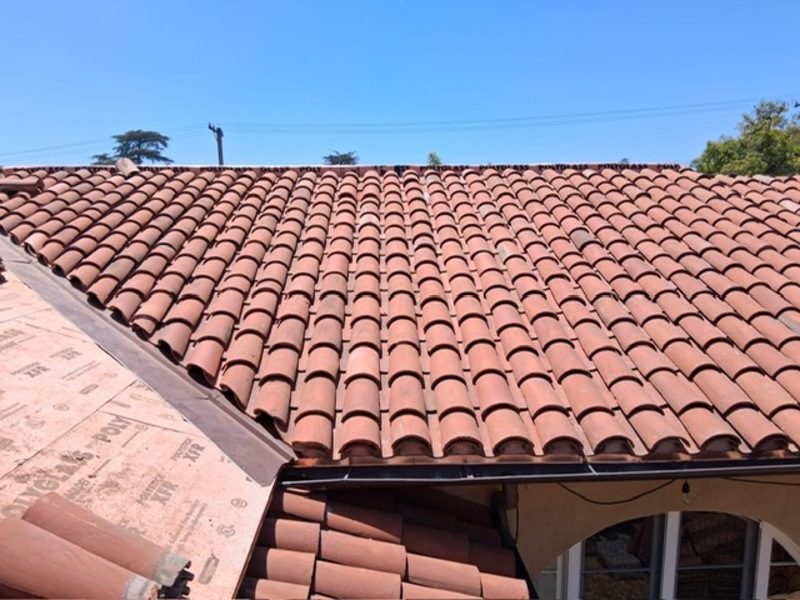
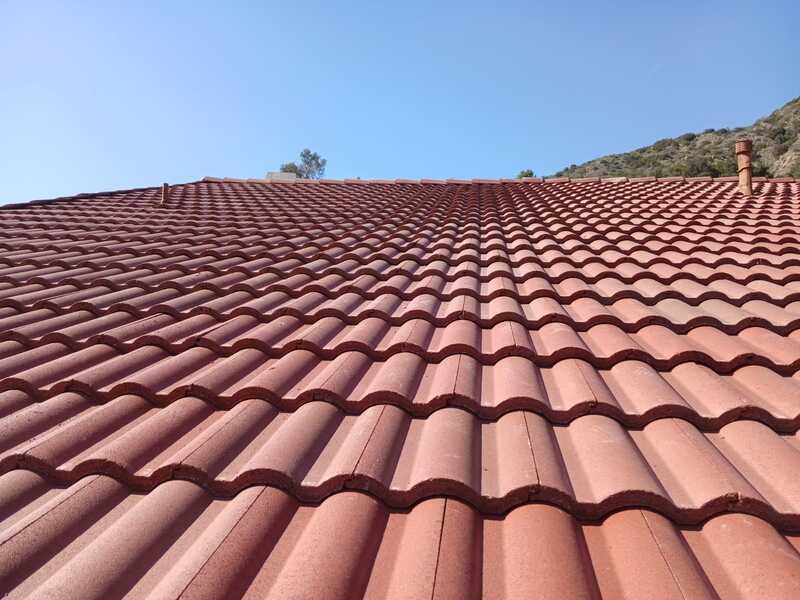
Completed barrel tile roof seen across the ridge
What we replace

Tile, shingle and flat systems, from tear-off to closed permit

Tear-off, deck inspection and repair, re-nailing to current code, secondary water barrier, flashing at every penetration, then the covering — with a dry-in inspection before any of it is hidden.

Start your project
Who it suits

Owners at the end of a roof, not the middle of one

If the roof is at or near the end of its service life, has been repaired repeatedly in the same areas, or is failing an insurance inspection, replacement usually costs less over five years than continuing to patch it.

  • Tile roofs at the end of underlayment life, not tile life
  • Shingle roofs with granule loss, curling or repeated leaks
  • Flat and low-slope roofs holding water or with failed seams
Track record1,000+

Completed projects

  • Experience30+ combined years
  • Coverage104 cities across three counties
  • LicenceCBC1265280 · bonded & insured
Why here is different

The underlayment is the roof

In this climate the tile can outlive the layer beneath it by decades. Most South Florida tile replacements are underlayment replacements — the tile is lifted, the failed secondary barrier is renewed, and the covering goes back down.

What is included

Five things in every replacement scope

  • 01Tear-off to the deck, with the deck actually inspected once exposed
  • 02Deck repair and re-nailing to the current fastening schedule
  • 03Secondary water barrier appropriate to the covering and slope
  • 04Flashing renewed at every penetration, valley, wall and edge
  • 05Dry-in and final inspections, with the permit closed at handover
Roof systems

Six coverings, and
what each one asks of you.

Slope, structure and exposure narrow the field before appearance does. A covering the structure was not designed to carry is not an option regardless of preference.

Barrel tile roof laid over underlayment on a South Florida home
Most common here

Concrete and clay barrel tile

The regional default on sloped roofs. Very long covering life, heavy enough that the structure has to be designed for it, and almost always replaced because the underlayment beneath it has expired rather than the tile itself.

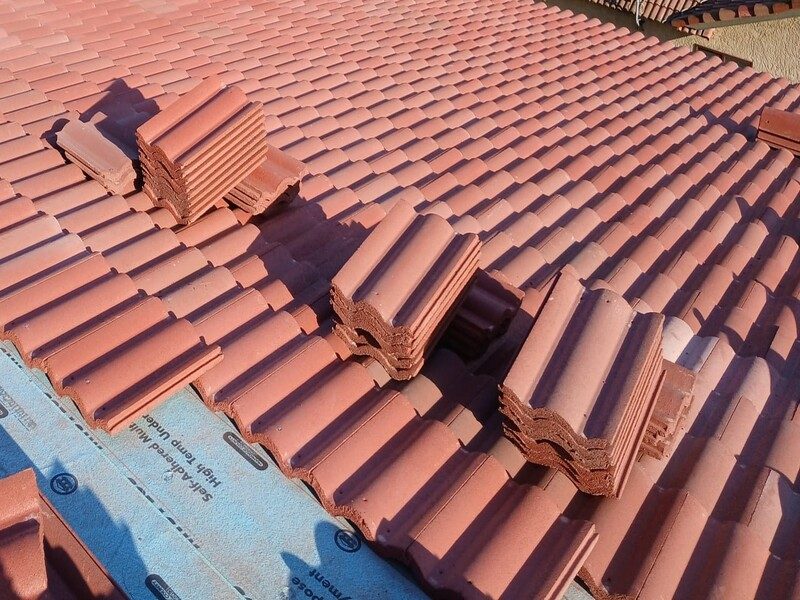
Shingle bundles staged on a roof slope before installation
Option

Architectural asphalt shingle

Lower cost per square and faster to install, with a shorter service life in this UV and heat. The fastening schedule and the starter and ridge detailing decide how it performs.

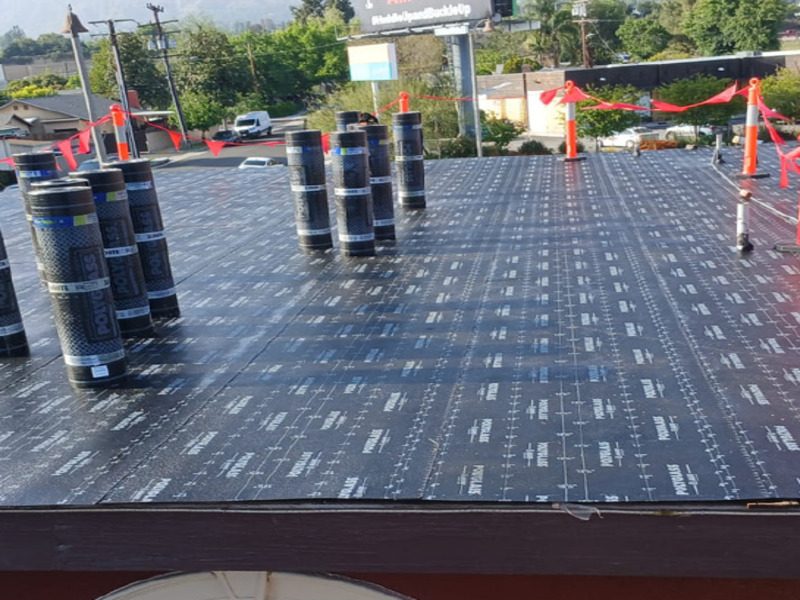
Flat roof under replacement with material rolls staged on the deck
Option

Flat and low-slope membrane

Modified bitumen or single-ply on low-slope areas. Performance is decided at the seams, the terminations and the drainage — standing water is a design fault, not a maintenance issue.

Also

Skylights and penetrations

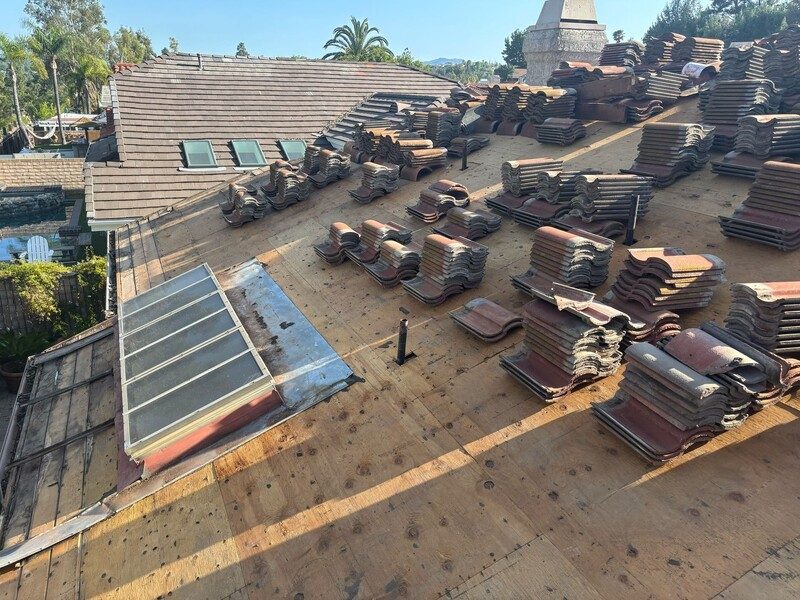
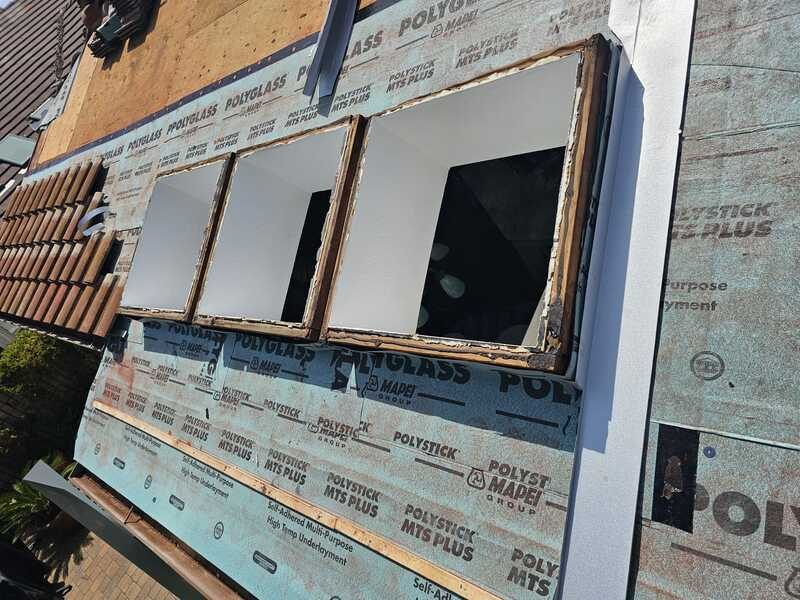
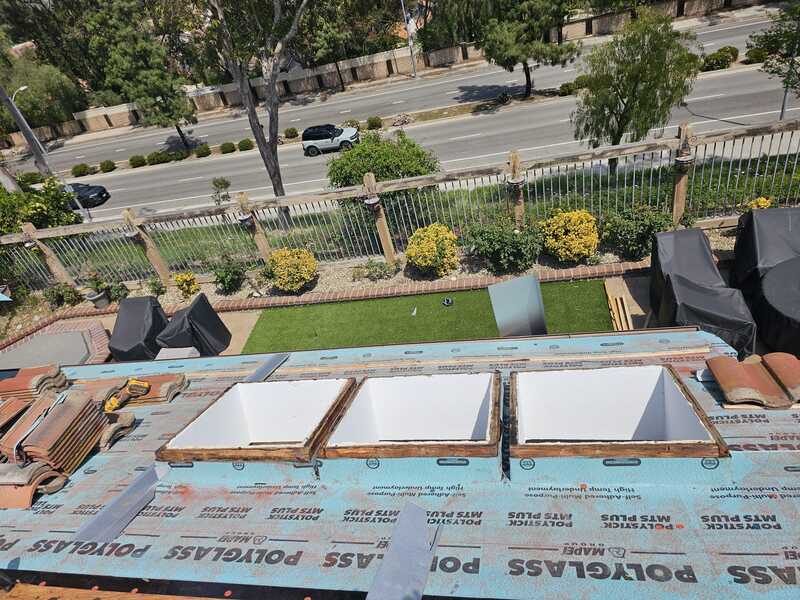
Every penetration is a potential leak and each one is flashed as its own detail. Replacement is the moment to renew or reposition them, not after.

Skylight curb flashed into the roof assembly
Also

Deck repair and re-nailing

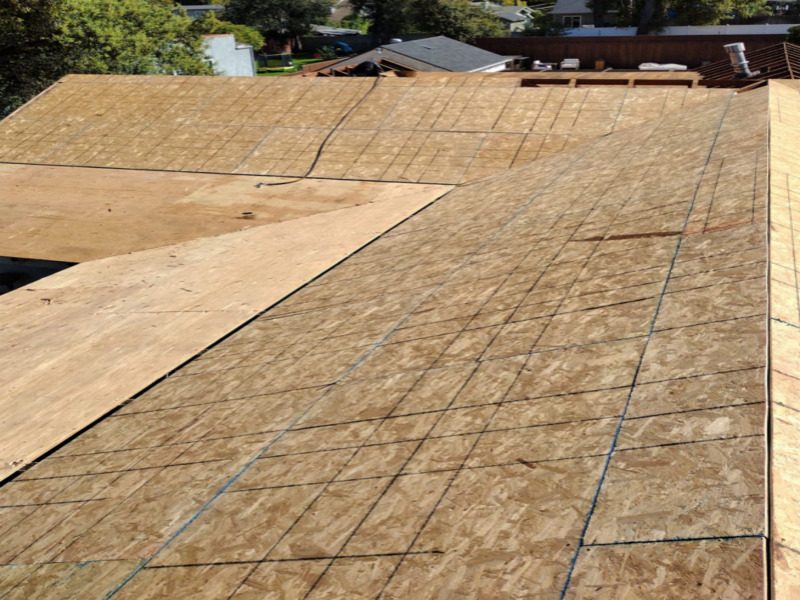
Once the covering is off, the deck is inspected and any deteriorated sheathing is replaced. Re-nailing to the current schedule is usually required and is also what a wind mitigation inspection looks for.

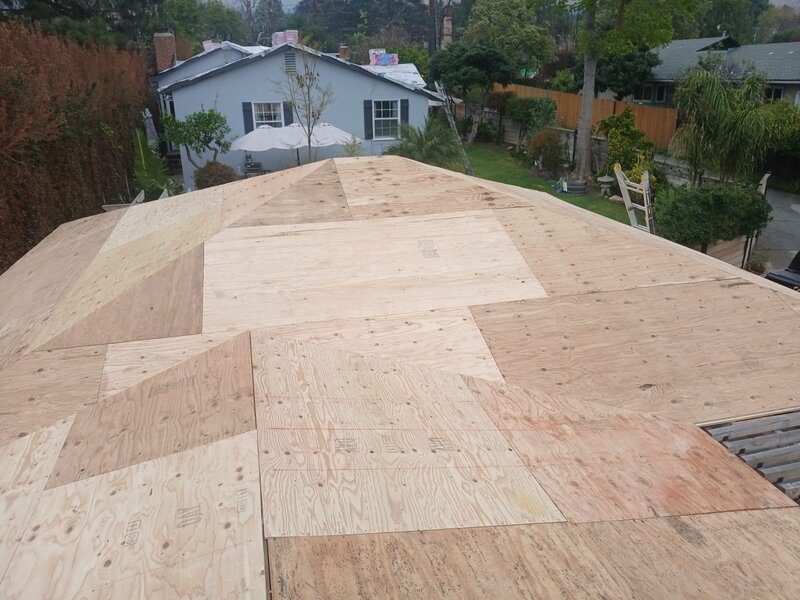
New plywood roof decking installed over the existing framing
Also

Commercial and low-slope

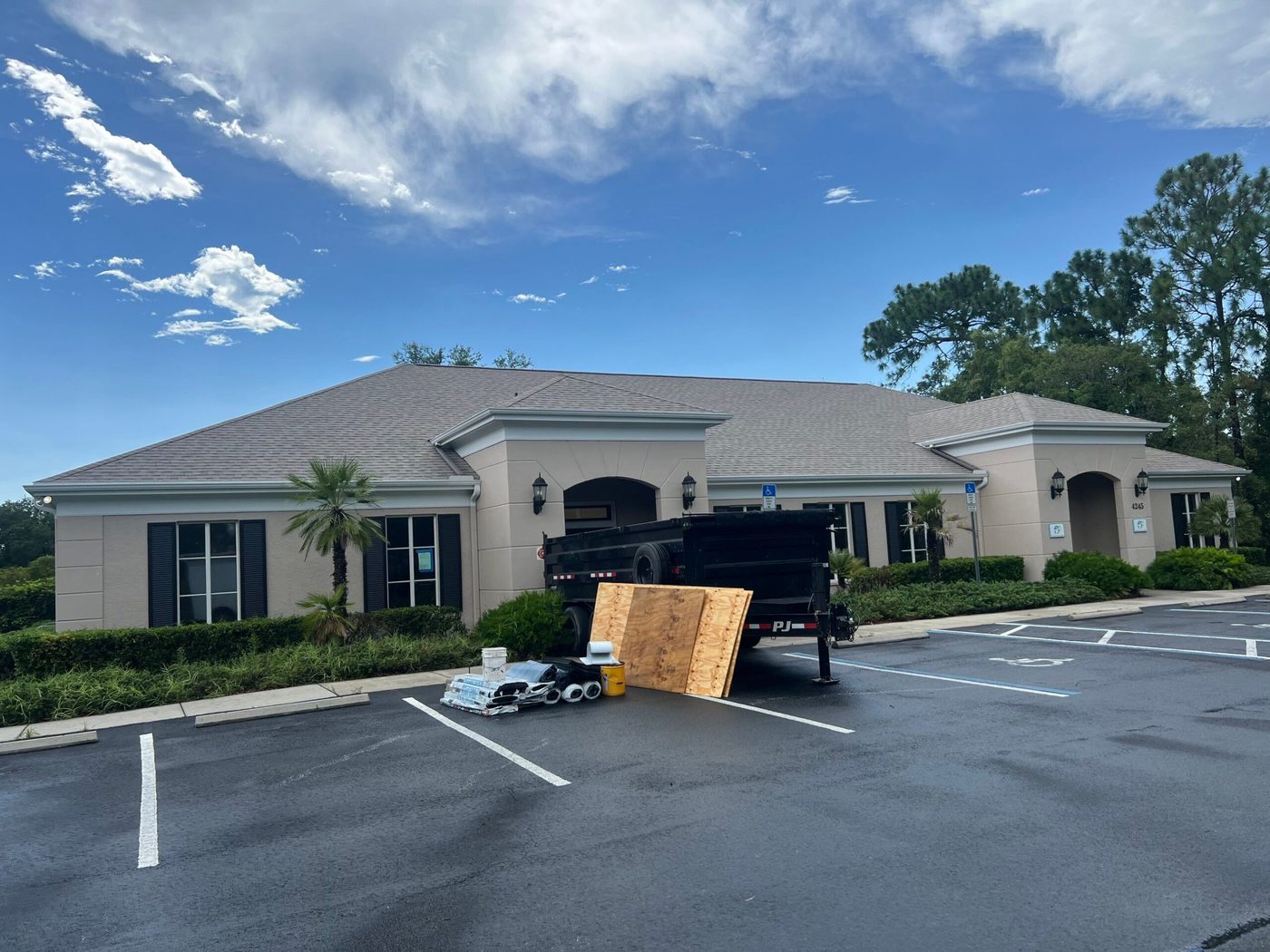
Larger fields, more penetrations and equipment curbs, and drainage that has to be right because there is no slope to forgive it.

Commercial building roof with parking and palms beyond
What the photographs show

Read the deck,
not the tile.

Six observations drawn only from the roofing photography above.

01 · Overview

Replacements at every stage of the same process

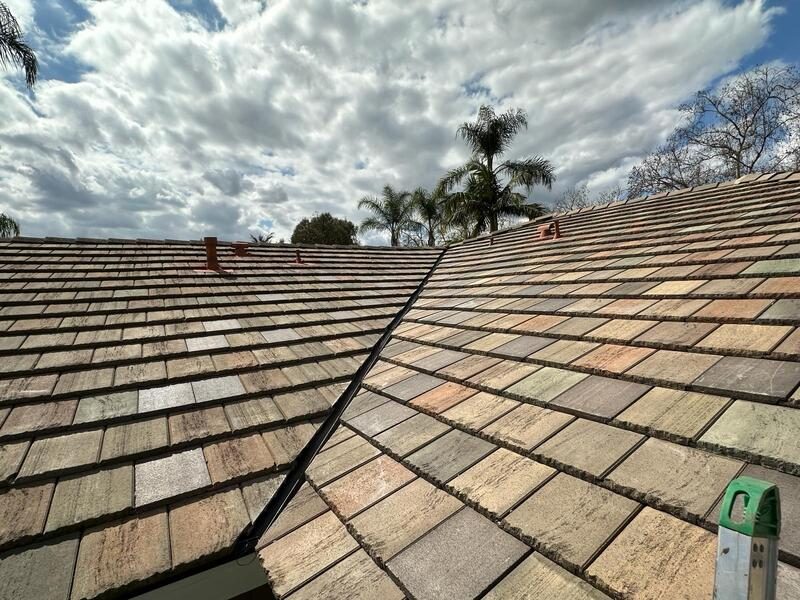
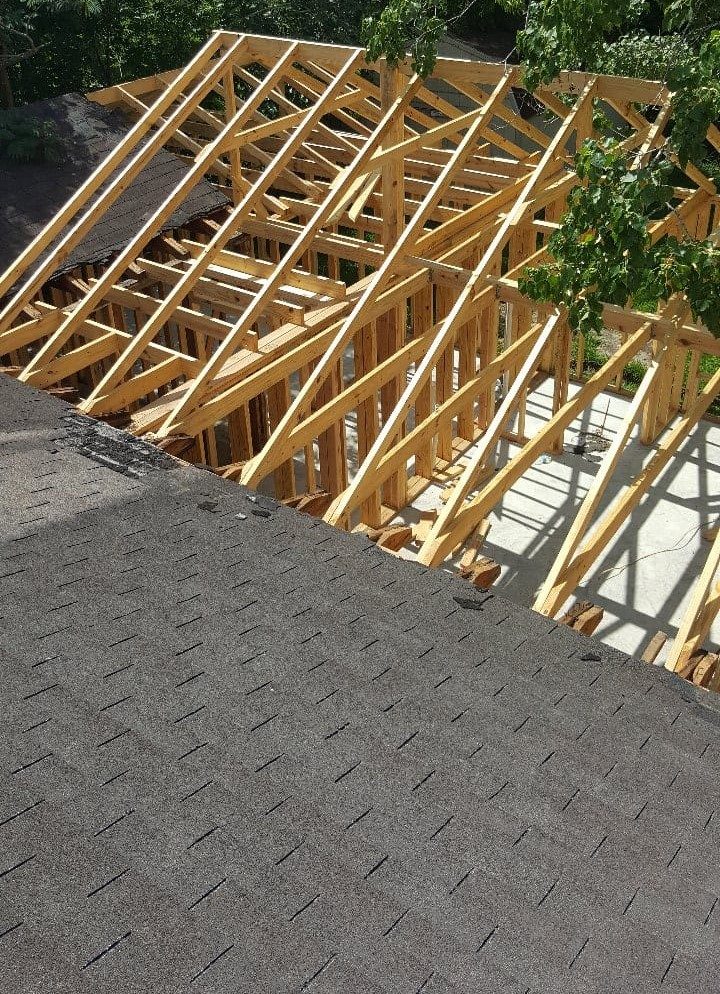
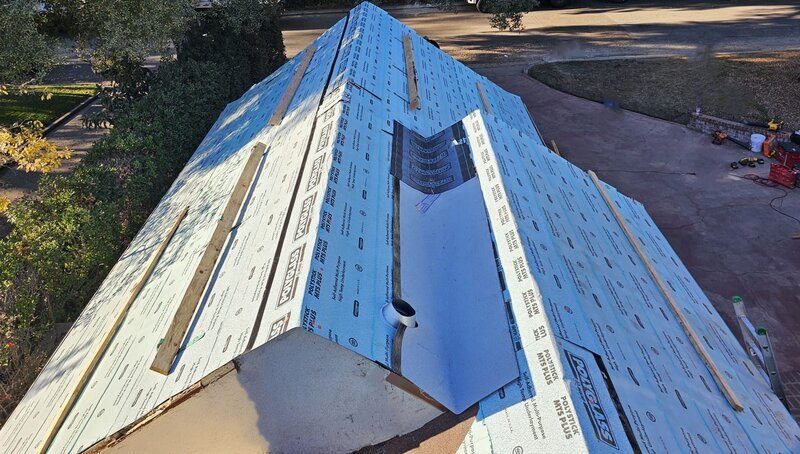
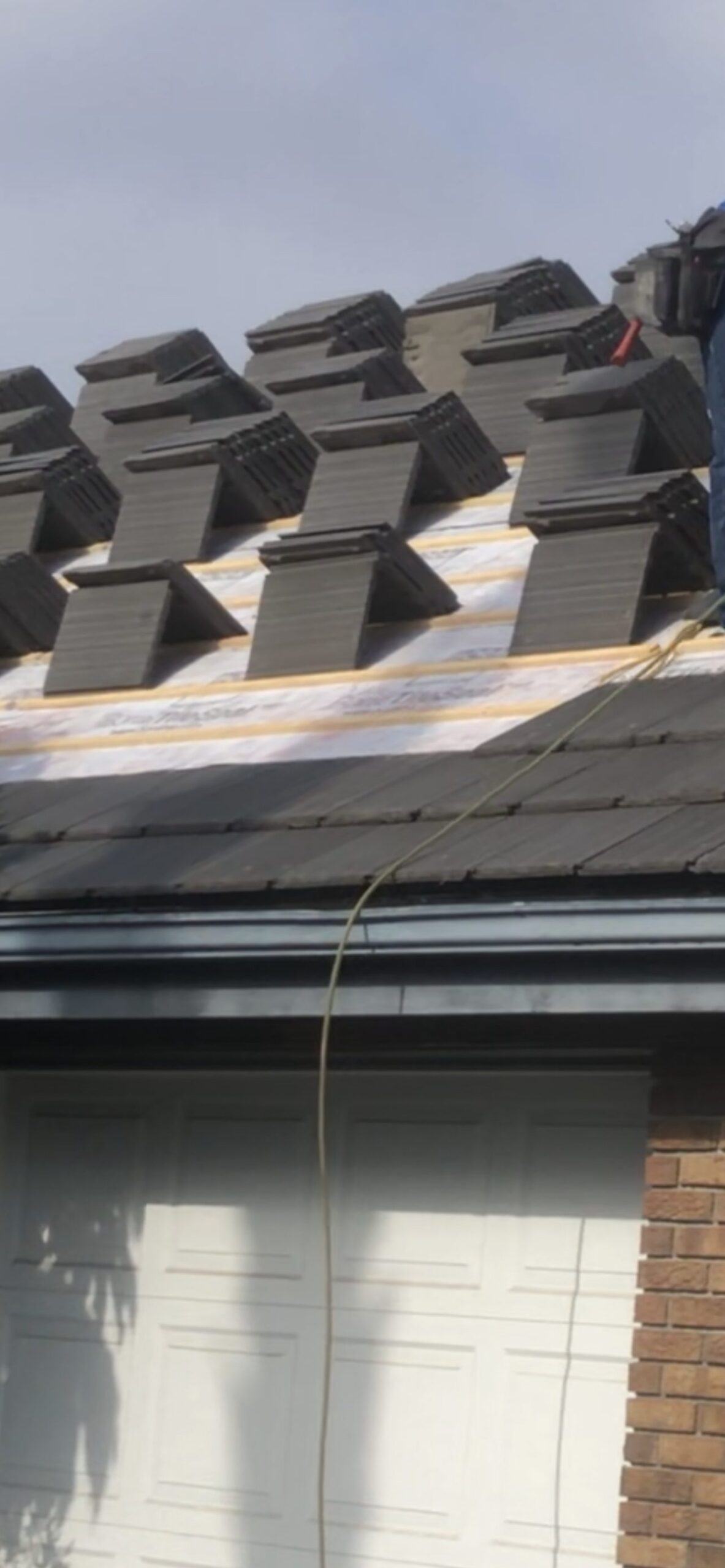
The frames run from exposed framing and bare deck, through re-nailing and dry-in, to tile being loaded and set, and finished roofs with their penetrations flashed. That sequence is the job — the covering is only the last few days of it.

Described from the photographs. No location, cost or schedule claimed.

02 · Visible detail

The deck is where the money is decided

Once the covering is off, the condition of the sheathing is visible for the first time in decades. Sound deck means the estimate holds; deteriorated sheathing means replacement boards and additional fastening, which is why an honest quote carries an allowance rather than a flat promise.

New plywood roof decking installed over the existing framing
03 · Observable specification

What is visible across these roofs

  • CoveringsConcrete and clay barrel tile, asphalt shingle, flat membrane
  • SubstratePlywood decking, replaced and re-nailed where required
  • Dry-inUnderlayment installed and visible before covering
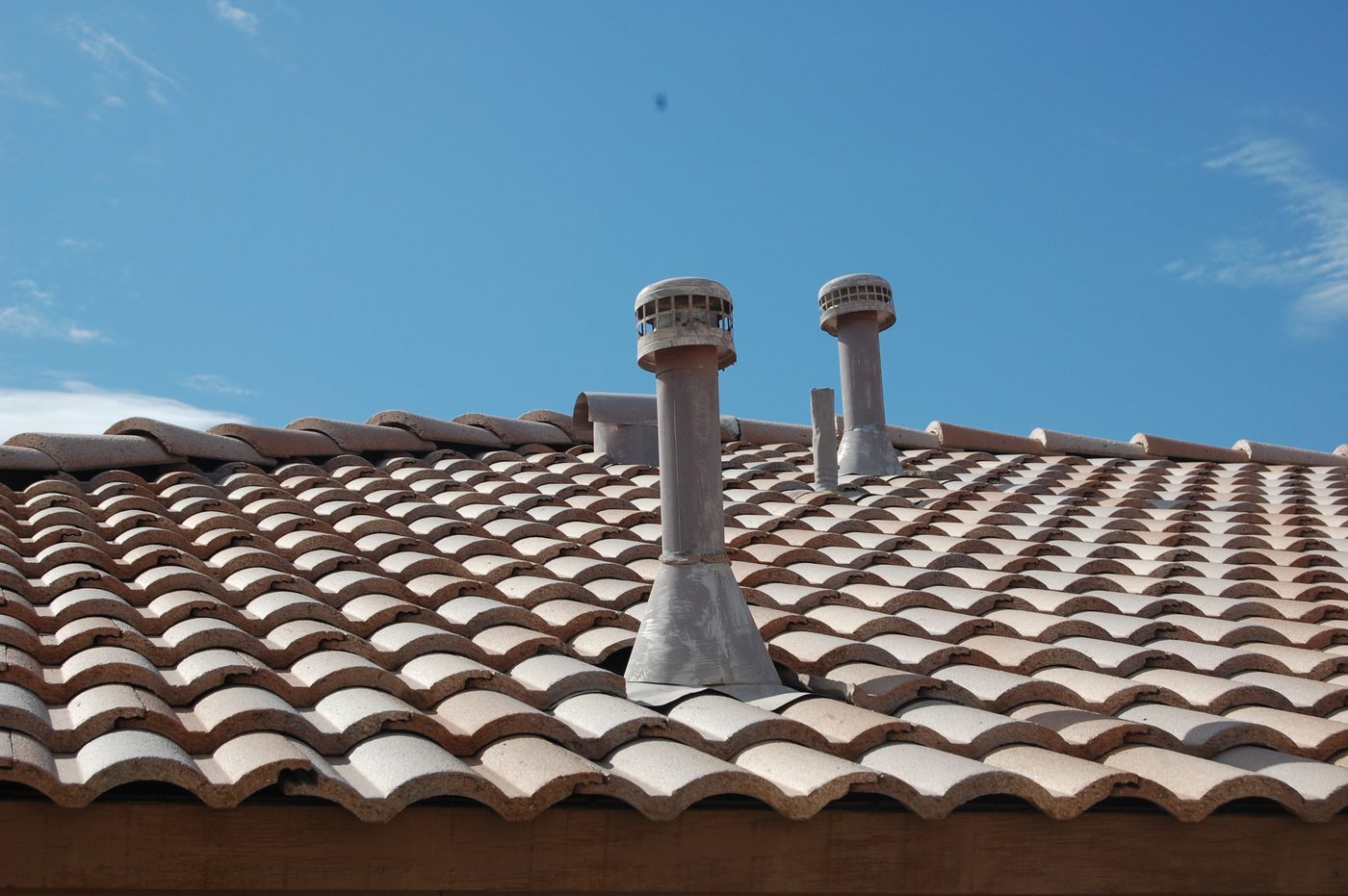
  • PenetrationsVents, stacks and skylight curbs individually flashed
  • StagingTile and membrane loaded out across the plane before setting
  • StructureTimber framing and trusses exposed on structural work
04 · Functional gain

A new roof is a new water barrier

Replacing the covering without renewing the underlayment beneath it solves the appearance and none of the risk. Every frame here shows the barrier being addressed while it is accessible.

05 · Craftsmanship

Penetrations treated as details

The vents and skylights are flashed into the assembly rather than sealed on top of it. Nearly every roof leak we are called to inspect starts at a penetration, a valley or a wall termination — almost never in the open field.

06 · Outcome

Documentation you can use

A closed permit and a completed roof are also the paperwork behind a wind mitigation inspection. That is worth more later than it feels at handover.

Behind the covering

Six layers you only
see on tear-off day.

Everything an owner chooses is the top layer. Everything that decides whether the roof leaks is underneath it. Select a layer to see what it does.

Framing
Deck
Water barrier
Flashing
Fastening
Covering
Covering options

Concrete / clay tile

Longest covering life and the regional look. Heavy, so the structure must suit it, and the underlayment beneath will still dictate replacement timing.

Longest life
Covering options

Architectural shingle

Lowest cost and quickest to install, with the shortest service life in this heat and UV.

Lowest cost
Covering options

Flat membrane

For low-slope areas where nothing else works. Performance lives at the seams, terminations and drainage.

Low-slope only
About the imagery on this page

Which photographs are Elbaz projects

  • Every photograph in the galleries is genuine Elbaz Construction roofing work. The archive was curated frame by frame for this page.
  • Files that were AI-generated, stock-licensed, or carried another roofing company’s branding were excluded rather than used — which is why this gallery is smaller than the folder it came from.
  • The assembly diagram above is a drawing, not a photograph — an educational illustration of a standard roof build-up, not a specific job.
Selection reality

Covering choice is limited by structure

Moving from shingle to tile adds significant dead load. That is an engineering review, not a product upgrade, and it has to happen before the covering is specified rather than after the tile is on site.

Permitting & inspection

Two inspections,
and one of them is hidden.

Roof replacement is permitted work everywhere in the tri-county area, and it carries a mid-job inspection that only exists because the layer it checks gets covered up.

The sequence

Seven stages from survey to closed permit

  • 01Survey — slope, covering, penetrations and visible condition recorded
  • 02Product selection — covering and fastening chosen against current approvals
  • 03Permit — filed with the approval documentation attached
  • 04Tear-off — covering removed, deck exposed and inspected
  • 05Deck and dry-in — repairs, re-nailing, barrier installed
  • 06Dry-in inspection — signed off BEFORE the covering goes on
  • 07Covering, final inspection and the permit closed
What inspectors check

Where roof inspections actually fail

The common causes, in the order we see them:

  • Deck fastening not brought up to the current schedule
  • Covering installed before the dry-in was inspected
  • Fastening pattern not matching the product approval
  • Flashing at valleys and wall terminations detailed incorrectly
Documentation

What the submittal carries

  • ScopeAreas, slopes and coverings identified
  • ApprovalsCurrent product approval for covering and underlayment
  • FasteningAttachment detail matching the approval and wind speed
  • DeckRe-nailing schedule for the existing sheathing
  • MitigationDocumentation supporting a later wind mitigation inspection
Insurance

Why the closed permit matters

Carriers and wind mitigation inspectors ask for permit history and roof age. A replacement without a closed permit is difficult to credit however well it was built, and it surfaces at resale.

Weather

Why we do not open more than we can dry in

Tear-off is staged so exposed deck can be dried in the same day. In this climate an open deck and an afternoon storm is not a risk worth taking for a faster schedule.

Please read

This varies, genuinely

Requirements, review times and inspection scheduling are set by your jurisdiction and change with workload — sharply after a storm event. Nothing here is a legal opinion or a guaranteed timeline.

Cost, timeline & decisions

What actually moves
a roof number.

Roofs are quoted by square, slope and complexity — and by what the deck turns out to be once it is exposed. These are the factors that decide it.

Factor

Covering type

Tile, shingle and membrane differ several-fold per square in both material and labour.

Highest
Factor

Roof area and slope

Steeper planes slow every trade and change the access and safety provision required.

Highest
Factor

Deck condition

The genuine unknown. It cannot be seen until tear-off, which is why it belongs in the quote as an allowance rather than a promise.

High
Factor

Complexity

Hips, valleys, dormers and multiple planes multiply the flashing details.

High
Factor

Penetrations

Vents, stacks, skylights and equipment curbs are each an individually detailed item.

Moderate
Factor

Re-nailing

Bringing the deck fastening to the current schedule, usually required on replacement.

Moderate
Factor

Access

Tight lots, second-storey planes and where a dumpster and a loader can actually stand.

Moderate
Factor

Product approval

Higher required wind resistance narrows the covering and fastening options.

Moderate
Factor

Disposal

Tear-off tonnage is real cost, and tile is heavy. It belongs in the quote, not as an extra.

Moderate
Factor

Storm demand

After an event, materials, labour and permit turnaround all move at once.

High
Factor

Structural change

Switching to a heavier covering needs engineering and possibly reinforcement.

High
Factor

Solar and equipment

Panels and roof-mounted equipment have to be detached and reset, which is a separate trade and a separate schedule item worth pricing explicitly.

Low–mod
On pricing

How we quote instead

After a survey you get a written scope by area and covering, stating the deck allowance, the fastening schedule, what is included and what is not. That allowance is the honest part — anyone quoting a flat price sight-unseen for a deck they have not seen is guessing or planning a change order.

Request an estimate
Common questions

Repair or replace?

Filter by what you are trying to work out. Every answer stays on the page.

Age, the pattern of leaks and the condition of the underlayment. Isolated damage on an otherwise sound roof is a repair. Repeated leaks in different areas usually mean the water barrier has reached the end of its life, and each further repair is buying months.

On tile specifically, the tile itself may be fine while the layer beneath it is not — which is why so many tile replacements are really underlayment replacements.

Because the tile is a rain shield, not the waterproofing. The secondary water barrier underneath it ages out far sooner in this heat. Where the tile is sound it can sometimes be lifted, the barrier renewed, and the tile re-set — which is assessed on site.

It is the inspection of the deck and the water barrier before the covering hides them. It exists precisely because nobody can verify that layer afterwards. Covering before it is signed off risks being told to remove what you just installed.

Because nobody can see the deck until the covering comes off. An allowance states how much replacement sheathing is included and what additional boards cost, so the number moves transparently rather than as a surprise. A flat price with no allowance usually means the change order is already planned.

Roof age, covering and deck attachment are all inputs to a wind mitigation inspection, and re-nailing is commonly credited. The actual effect on your premium is between you and your carrier. What we make sure of is that you finish with the closed permit and the documentation an inspector will ask for.

We only tear off what can be dried in the same day. In this climate an open deck overnight is not worth a faster schedule, so the sequence is driven by weather rather than by crew size.

Sometimes, and it is a structural question first. Tile adds substantial dead load, so it needs engineering review and possibly reinforcement before it is specified. That assessment happens before the covering is chosen, not after material arrives.

Keep valleys and gutters clear, check penetrations and sealant at terminations periodically, and have the roof looked at after any major storm. Most premature failures we are called to start as a small, ignored detail at a penetration.

They have to be detached and reset, which is a separate trade with its own schedule. We coordinate it and price it explicitly rather than leaving it as an assumption.

Because material, labour and permit turnaround all come under pressure at once. It is also when the least careful operators appear. A licensed contractor pulling a permit in their own name is worth more in that period than at any other time.

We do, in our own name, and we close it at handover. An owner-pulled permit shifts liability onto you and complicates both resale and insurance later.

On the roof

What replacement
actually looks like.

Roofing work on Elbaz projects across South Florida.

During the work

How the days run

Protection and staging, then tear-off in sections that can be dried in the same day. Deck inspection and repair, re-nailing, barrier down, dry-in inspection. Only then does the covering go on, then flashing details and the final inspection.

How to prepare

Four things worth doing early

  • Move vehicles and anything fragile clear of the drip line
  • Take pictures of the attic and ceilings before work starts
  • Tell us about any known leak locations, however old
  • Book the solar or equipment detach before the tear-off date
Quality control

What gets checked, and when

Deck condition and fastening once exposed. Barrier laps and terminations before the dry-in inspection. Fastening pattern against the product approval. Every penetration and valley before the covering closes over it.

Decisions

Three worth settling first

Covering type, because it drives structure and cost. Whether penetrations move, because now is the only cheap time. Whether the deck allowance is realistic for the roof’s age.

Common mistakes

Four we are asked to fix

  • Covering laid over a tired water barrier because the tile "looked fine"
  • Deck not re-nailed, losing the wind mitigation credit
  • Penetrations sealed on top instead of flashed into the assembly
  • Work done without a permit, which surfaces at resale
Why Elbaz

Claims you can
check yourself.

Everything here is a licence number, a figure Elbaz publishes company-wide, or a description of how we work.

LicenceCBC1265280

Certified building contractor, bonded and insured. Verifiable with the State of Florida.

Completed projects1,000+

Across residential and commercial work in Miami-Dade, Broward and Palm Beach counties.

Experience30+

Combined years across the team, in this market and this climate.

Coverage104

Cities served across the three counties.

PermitsOur name

We file with your building department directly, and we close the permit at handover.

Product approvalVerified

Specified products are checked against their Notice of Acceptance or Florida Product Approval before ordering.

Financing4 lenders

Service Finance, Synchrony, Ygrene and Renew Financial. $0 down and 100% financing available on qualifying PACE work, subject to lender approval. Compare all four.

Documentation

A closed permit, and the paperwork behind it

We pull the permit in our own name, get the dry-in inspected before covering, and close the permit at handover — so the record exists when an insurer, an inspector or a buyer asks for it.

Honesty on media

This gallery is smaller than it could be

The roofing archive contained AI-generated images, stock photography and files carrying other roofing companies’ branding. Those were excluded rather than published as our work, which is why you are seeing fewer photographs here, not more.

Google reviews

What clients said,
word for word.

Shown verbatim from the connected Google Business Profile — not rewritten, not combined, not re-attributed. The featured review is a roofing job.

Featured · roofing
“I give them a five star rating not only for their excellent roofing skills and timelines, but also for their competitive pricing and the honesty and professionalism of the team !! We are very pleased with the outcome”
Zachary Gugliotta · Google
“The team was amazing. Did a fabulous job with the landscaping, roofing and backyard renovation. The best contractors I have worked with! Will definitely use this company in the future.”
Derpy Day · Google
“We had a good time dealing with Asher and the crew, he went over and above all our expectations and made every effort to ensure that the end result was up to their high standards. Thank you !!”
Emmett Giffin · Google
“Elbaz Construction provided excellent service and outstanding craftsmanship. The team was professional and attentive to our needs. We’re extremely satisfied with the results!”
Damian Nunez · Google

No review schema is emitted on this page. Aggregate ratings marked up on a business’s own service pages are self-serving under Google’s structured-data policy, so the rating above is presented as visible content only.

Start your project

Tell us about
the roof.

Tell us the covering, roughly how old it is, and whether it is leaking now. Photographs of any staining inside are genuinely useful — they often say more than the roof surface does.

What happens next

Three steps, no sales visit

  • 01We call you back and talk through age, covering and leak history
  • 02We survey the roof and report what we can actually see
  • 03You get a written scope by area, with the deck allowance stated
What to expect

An honest read, including "not yet"

If the roof has serviceable life left and the issue is a repairable detail, we will say so. Selling a replacement to someone who needs a flashing repair is a short-term business.

Prefer to talk now(754) 236-0675

Sun–Fri 7am–7pm · Saturday closed. Licensed, bonded and insured · CBC1265280.

Preferred contact method

We use your details only to respond to this enquiry. No lists, no resale.

Thanks — that came through.

Your details are with the Elbaz Construction team and we will come back to you, usually the same or next working day. If it is urgent, call (754) 236-0675.

Start your roof replacement

Ready when you are

Let’s look at it before the next storm.

A survey tells you whether you are looking at a repair, a re-underlayment or a full replacement — and what the deck allowance should realistically be.

Completed barrel tile roof seen across the ridge