How the process actually runs
Section 17-5,
and the order
vehicles park in.
Five things about building in this Town that are not true of the municipality across the bridge.
01 · The parking hierarchy, in the Town’s own orderOn the property first. The road, only as a last resort.
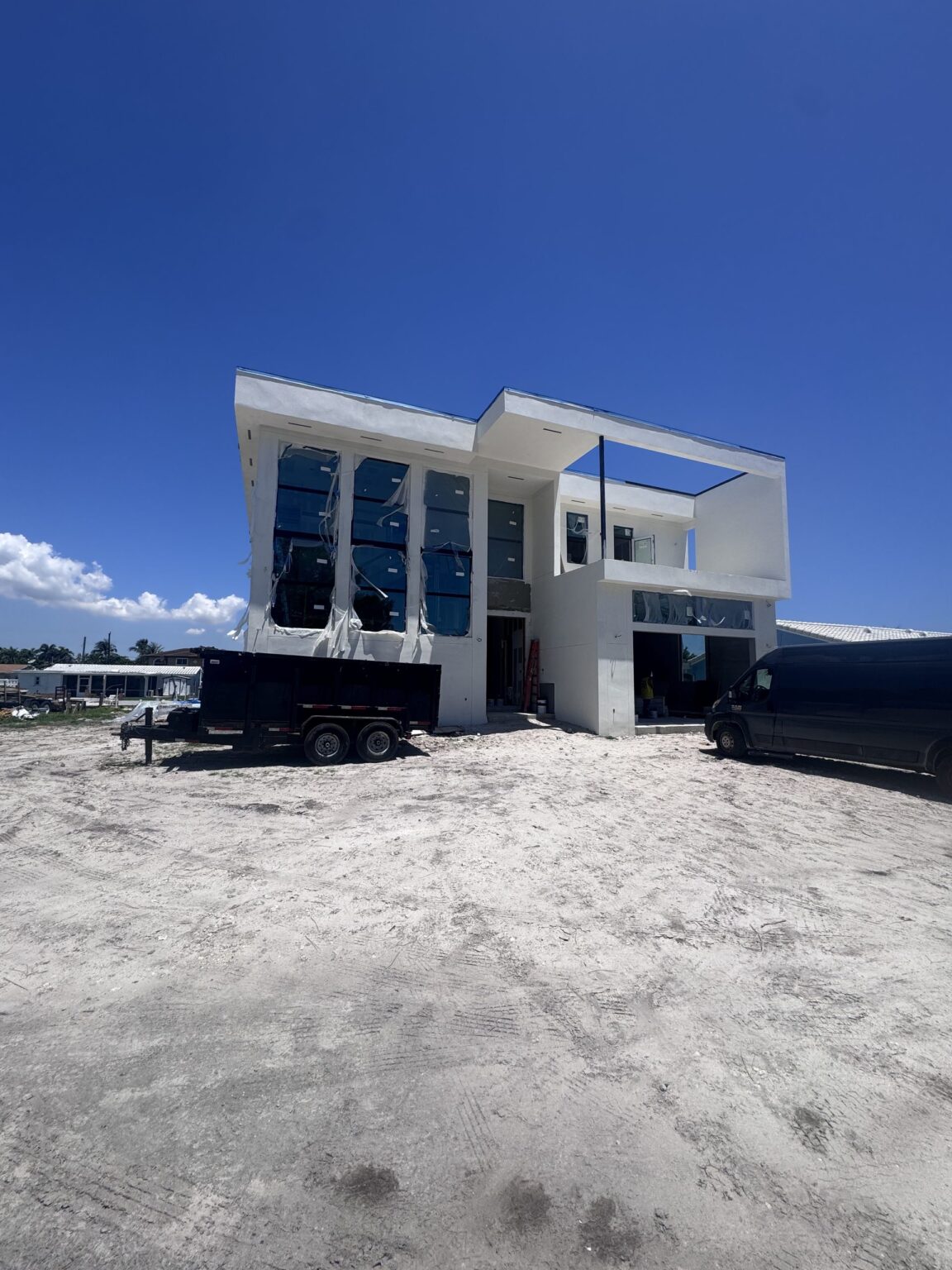
Section 17-5 of the Town’s Code of Ordinances sets out where all vehicles associated with a construction site may stand. First, on the property itself — front, side or back yards. When the site is full, in the swale directly in front, parked perpendicular to the right-of-way if practical. Then, with the written consent of the owner, on empty lots or other private driveways. And only as a last resort, on the paved roadway directly in front — and not before all driveways on the site have been used.
02 · The bit contractors forgetCrushed rock, fifteen feet
If the swale is used, the Town requires a temporary stabilised surface of crushed rock or similar materials, extending a minimum of fifteen feet from the road pavement. The swale itself it describes as typically a ten-foot wide area off the road pavement. That is a material order and a small groundworks task, and it belongs in the programme rather than in a panic on day one.
03 · It has teethStop work order, or daily fines
The Town states that violations of the parking provisions may result in the issuance of a Stop Work Order or imposition of daily fines. A parking decision can therefore halt your build — which is not something most owners expect to hear about a van.
04 · Deliveries need a person, not a coneA flag person, cleared with the police
For all deliveries from large or over-sized vehicles, the Town requires the contractor to provide a flag person to direct traffic around the vehicle, coordinated with the town police department. Trusses, cabinetry, stone and plant deliveries all need booking as traffic events, not just as deliveries.
05 · Even the skip is specifiedOne named provider
The Town requires that a construction-site dumpster be provided by Waste Management of Martin County, and directs enquiries to the provider. It is not the contractor’s choice, and it is worth arranging early rather than discovering on the morning of demolition.
06 · What governs the building itselfFBC, plus the Town’s own code
The Building Department states that the Town adheres to the Florida Building Code and all other applicable laws and ordinances, including the Town of Jupiter Inlet Colony Code of Ordinances. The construction standard is the state code; the difference here is everything the Town’s own code adds around it.