


Roofing work
Roofing work,
photographed honestly.
These are Elbaz Construction roofing photographs. None of them shows storm damage — we have not labelled ordinary roofing work as storm damage, and we have deliberately excluded the dramatic "storm" images circulating in this industry, which are generated rather than photographed.
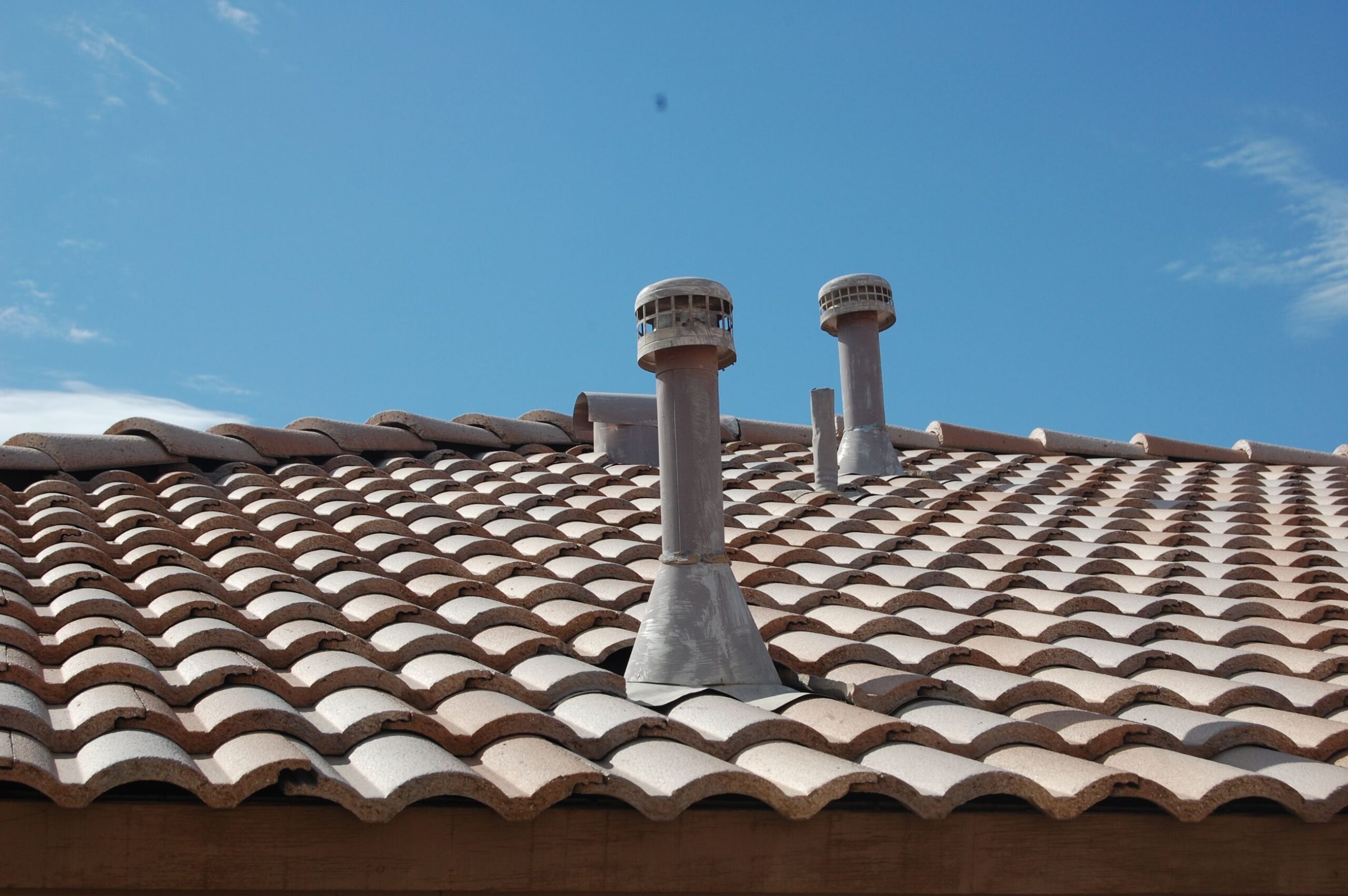
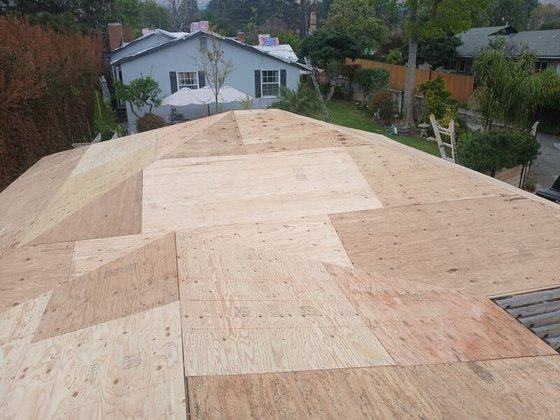
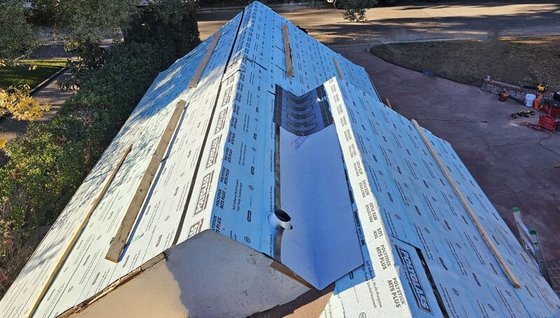
Elbaz Construction roofing work, photographed on site. Not storm damage.
The service
Temporary protection is
not the same as a repair.
The first job after a storm is stopping further water entry — dry-in, tarping or temporary covering. It is not a repair and it is not meant to last, but it is what prevents a roof problem from becoming a ceiling, insulation and mould problem.
The second job is documenting what happened before anything covers it. Photographs, measurements and a written assessment are what let a claim be evaluated on evidence rather than on argument.
- Assess before you commit
A written assessment tells you whether this is a repair or a replacement before either is priced.
- Document everything
Damage that has been covered by a repair is very hard to evidence afterwards.
- Protect immediately
Temporary dry-in limits the secondary damage that usually costs more than the roof itself.
Scope
What storm response covers
Four stages, in order. Skipping the first two is what turns a roof claim into a dispute.
The 25 percent rule is real, and it has an exception
Florida Building Code – Existing Building §706.1.1 requires that where more than 25 percent of a roof section is repaired or replaced in any twelve-month period, the whole roofing system is brought to current code. Fla. Stat. §553.844(5), added by SB 4-D in 2022, provides an exception where the existing roof was built to the 2007 Florida Building Code or later — then only the worked portion must comply, subject to certification. Which applies to your roof is a question worth answering early.
Assessment and documentation
- Safe inspection of the roof covering, flashings, penetrations and edges
- Interior inspection for water entry, staining and saturated insulation
- Photographic record with locations and measurements
- Written assessment distinguishing storm damage from pre-existing wear
Temporary protection
- Emergency dry-in or tarping to stop further water entry
- Securing loose or lifted covering that could cause further damage
- Interior protection where ceilings are already saturated
- Re-inspection after subsequent weather
Repair or replacement
- Repair where the damage is localised and the surrounding system is sound
- Replacement where damage is extensive or the covering is at end of life
- Underlayment, flashing and penetration detailing renewed as part of the work
- Products specified to the wind zone the property sits in
Interior and closeout
- Repair of ceilings, insulation and finishes damaged by water entry
- Moisture verification before anything is closed up
- Final inspection and closeout documentation
- Records retained for your insurer
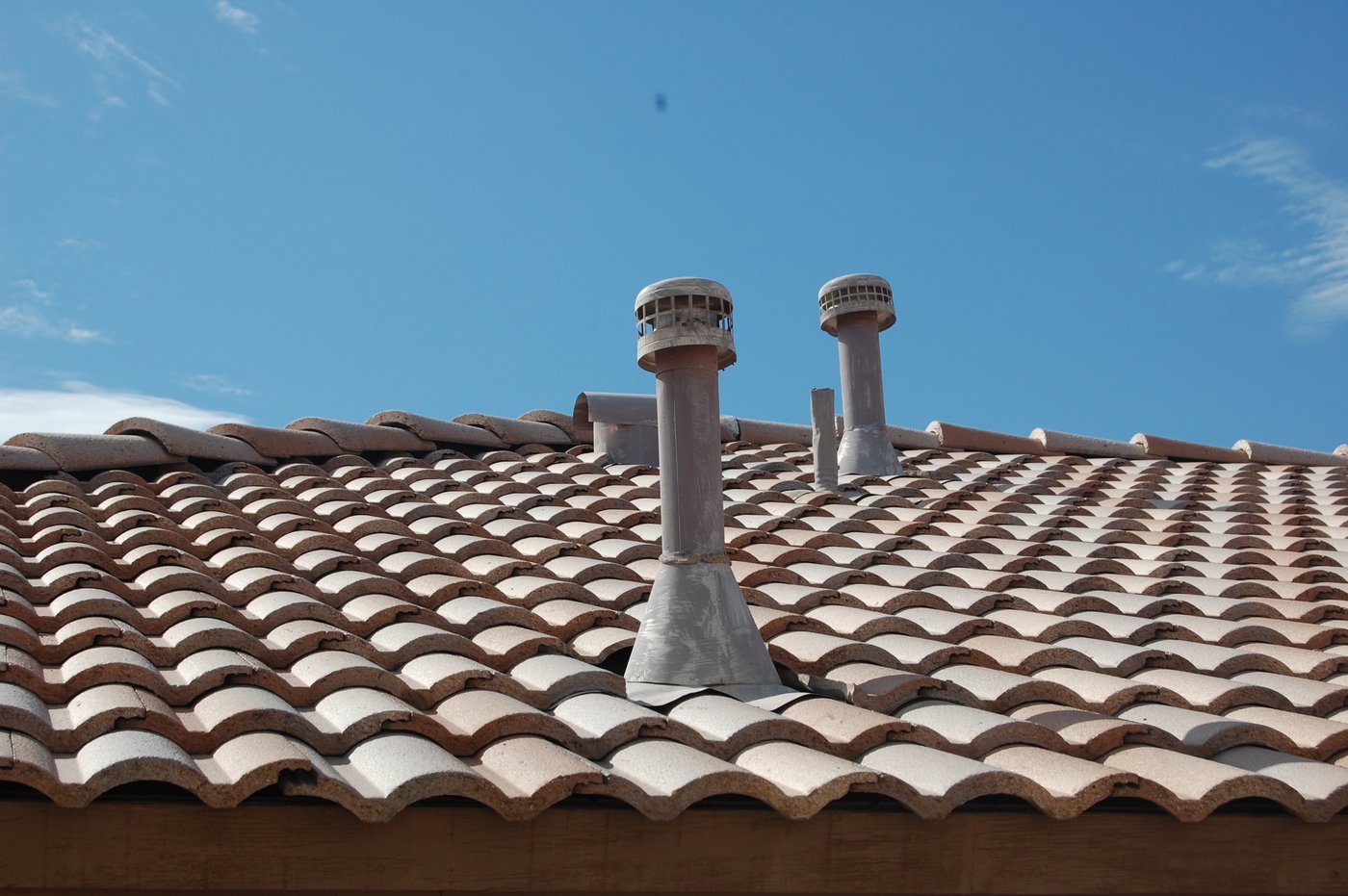
Stills from the two completed units on this page. They illustrate the stages; they are not photographs of the stage named beside them.
How it runs
Six stages,
starting today
After a storm the order matters more than the speed. Getting it wrong costs you evidence you cannot recover.
- 01
Assessment
Roof and interior inspected safely, damage recorded with photographs, locations and measurements.
- 02
Documentation
A written assessment separating storm damage from pre-existing wear, in a form an insurer can evaluate.
- 03
Temporary protection
Dry-in or tarping to stop further water entry while the claim and the scope are resolved.
- 04
Scope and permitting
Repair or replacement scope written and permitted. Roofing work in this region requires product approval for the wind zone.
- 05
Roofing works
Covering, underlayment, flashings and penetrations installed to the approved specification, with inspections at each gate.
- 06
Interior and closeout
Water-damaged finishes repaired once moisture is verified, then final inspection and documentation.
Approvals
Wind zone decides
what you may install.
Miami-Dade and Broward counties sit inside the High-Velocity Hurricane Zone. Roofing products installed there require product approval — a Miami-Dade Notice of Acceptance, or in Broward a Broward NOA or an accepted Miami-Dade NOA. Palm Beach County is not in the HVHZ and falls under the statewide Florida Product Approval framework instead.
Design wind speeds differ too: roughly 175 mph in Miami-Dade and 170 mph in Broward for standard residential risk category, which is why a product acceptable elsewhere in Florida may not be acceptable here.
Roofing work is permitted and inspected. We handle submission, product approval documentation and correction responses.
Simplified sketch, for explanation only. It is not a permit drawing and not a plan of either project shown on this page.
From first call to closeout
- Damage assessment
Written, photographic, and dated.
- Insurer notification
Your claim, your policy — we provide the documentation.
- Temporary protection
Before the claim is resolved, not after.
- Scope determination
Repair or replacement, and whether the 25 percent rule applies.
- Product approval
NOA or Florida Product Approval documentation for the wind zone.
- Permit submission
Handled by us including correction responses.
- In-progress inspections
Dry-in and tin-cap inspections before covering.
- Final inspection
On completion.
Insurance is your contract, not ours
We document damage thoroughly and provide everything an adjuster needs. We do not negotiate claims, promise coverage outcomes, or offer to absorb deductibles — the last of which is unlawful in Florida.
Nothing here is legal advice, and no approval outcome or review duration is promised. Requirements vary by municipality and by property.
Cost and schedule
What moves the number
Storm work is priced from an assessment, never from a photograph. These are the factors that decide it.
What moves the cost
- Repair versus replacement
Decided by extent, by the age and condition of the surrounding covering, and by whether the 25 percent rule is triggered.
- What the water reached
Decking, insulation and ceilings are frequently a larger line than the covering itself.
- Covering type
Tile, shingle, metal and low-slope systems differ substantially in material and labour.
- Deck condition
Sheathing that has been wet often needs replacing, and it is not visible until the covering is off.
- Wind zone requirements
HVHZ product approval and fastening schedules affect both material and labour.
- Access and height
Two-storey, steep or restricted-access roofs cost more to work safely.
What moves the schedule
- Assessment
Immediate. Everything else depends on it.
- Temporary protection
Same visit where it is safe to do so.
- Insurer process
Runs on your insurer’s timetable, not ours.
- Material availability
Tile and specific profiles can be constrained after a regional storm event.
- Permit review
Set by the authority having jurisdiction.
- Inspection gates
Dry-in inspection must pass before covering goes on.
Illustrative diagram · not a photograph of a project
What storm damage
actually looks like.
Six failure patterns account for most genuine wind and water damage. Knowing them is what separates a real claim from wear and tear.
Lifted or missing covering
Tiles displaced or shingles creased and lifted at the tabs, usually concentrated on the windward slope and at edges.
Edge and ridge failure
Perimeter and ridge details take the highest uplift pressures and fail first.
Flashing displacement
Around chimneys, walls and penetrations — a small movement that lets a lot of water in.
Underlayment tears
Beneath displaced covering. Invisible from the ground and the actual route water takes.
Impact damage
Bruising from debris, which can break the covering’s integrity without displacing it.
Secondary water damage
Ceilings, insulation and framing wetted after the event. Usually the most expensive consequence and the most preventable.
What to expect
The first 48 hours
matter most.
What you do immediately after a storm has more effect on the outcome than anything that happens later.
- Stay off the roof
Wet, damaged roofs are genuinely dangerous. Assessment is a job for someone with fall protection.
- Photograph the inside
Ceiling staining, wet insulation and water marks are evidence, and they fade or get cleaned up.
- Report promptly
Policies carry notice requirements. Reporting early costs nothing.
- Accept temporary protection
Dry-in is not a repair and does not prejudice a claim; it prevents the damage getting worse.
- Keep records
Every photograph, invoice and report in one place.
- Beware door-knockers
After a storm, be careful who you sign with. Check the licence and read what you are signing.
Questions
Ask the
awkward ones.
Six categories. Pick one and the answers change.
That is exactly what a written assessment establishes. Storm damage has patterns — concentration on the windward slope, creasing at shingle tabs, displacement at edges and ridges, impact bruising. Uniform granule loss and brittleness across the whole roof are age. An honest assessment says which it is, including when the answer is "wear".
No. A wet or damaged roof is one of the more dangerous places on a property, and what you would be looking for is not obvious from a ladder anyway.
We provide the documentation an adjuster needs — written assessment, dated photographs, measurements and scope. We do not negotiate claims or act as a public adjuster, and we cannot promise a coverage outcome.
No. Offering to absorb or rebate an insurance deductible is unlawful in Florida. Anyone offering it is telling you something useful about how they operate.
Under Florida Building Code – Existing Building §706.1.1, if more than 25 percent of a roof section is repaired or replaced within twelve months, the entire roofing system generally has to be brought to current code. Fla. Stat. §553.844(5) added an exception in 2022: where the existing roof was built to the 2007 Florida Building Code or later, only the worked portion must comply, subject to certification by a qualified contractor or engineer.
Sometimes not. If the covering is near end of life, a repair buys limited time and may trigger the 25 percent rule anyway. We will tell you when replacement is the better value even though it is the larger job.
Miami-Dade and Broward are inside the High-Velocity Hurricane Zone, where roofing, window and door products require product approval — a Miami-Dade NOA, or in Broward a Broward NOA or accepted Miami-Dade NOA. Palm Beach is not in the HVHZ and uses the statewide Florida Product Approval system.
Roof age and condition affect insurability and premium, and a wind mitigation inspection documents features that carriers credit. We are not insurance advisers, and the discount is set by your carrier, not by us.
Why Elbaz
What we will actually
put our name to
- Licensed general contractor
Licensed, bonded and insured · CBC1265280.
- Assessment before scope
A written, photographed assessment comes first — you get it whether or not you proceed with us.
- Documentation for your insurer
Recorded properly so a claim is evaluated on evidence, and retained afterwards.
- HVHZ product knowledge
Miami-Dade and Broward require product approval; Palm Beach does not. We specify for the actual zone.
- Honest about the 25 percent rule
We tell you whether it is triggered and whether the 2007-code exception applies, before pricing.
- We do not negotiate claims
We document, you and your insurer decide, and we do not offer to cover deductibles.
Every claim in this column is something we can evidence. We have deliberately left out award badges, membership logos and project counts.
Reviews
I highly recommend them for home improvement. They renovated my master bathroom and a few upgrades for other guest bathrooms. They are very professional, courteous and transparent. They are great at communicating and finding ways to streamline the work. Sean has impeccable project management and customer relationship management skills. Very pleased with the work!
Omri B
Genuine Google reviews of Elbaz Construction, shown as written. None of these reviewers describes storm roof damage work specifically, so none is presented as one.
Redid my whole bathroom and kitchen. Great service - Great quality - very quick - very professional !! Highly recommended!
Adir Davidov
They are amazing! Very professional. Met my exact requests with so much patience and knowledge. They renovated my whole house and the whole process was such a breeze. I highly recommend them!
Lee Morali
We hired them to renovate our investment property and they provided exceptional quality service for an affordable price!
Shir Partush
Amazing experience with the entire company! They did a great job in my house for some work that needed to be completed, and I am extremely happy with the result. Super professional & great service. I highly recommend Elbaz Construction.
Mia Zafrani
After I've been Looking for a good company to renovate my house , I found those guys! These people are super professional super honest super Fast !! Don't hesitate to Rent their service! They are number one!!
carmit cohen
Service Areas
Proudly serving homeowners across Miami-Dade, Broward and Palm Beach
- Aventura
- Bal Harbour
- Bay Harbor Islands
- Biscayne Park
- Coral Gables
- Cutler Bay
- Doral
- El Portal
- Florida City
- Golden Beach
- Hialeah
- Hialeah Gardens
- Homestead
- Indian Creek
- Key Biscayne
- Medley
- Miami
- Miami Beach
- Miami Gardens
- Miami Lakes
- Miami Shores
- Miami Springs
- North Bay Village
- North Miami
- North Miami Beach
- Opa-locka
- Palmetto Bay
- Pinecrest
- South Miami
- Sunny Isles Beach
- Surfside
- Sweetwater
- Virginia Gardens
- West Miami
- Coconut Creek
- Cooper City
- Coral Springs
- Dania Beach
- Davie
- Deerfield Beach
- Fort Lauderdale
- Hallandale Beach
- Hillsboro Beach
- Hollywood
- Lauderdale-by-the-Sea
- Lauderdale Lakes
- Lauderhill
- Lazy Lake
- Lighthouse Point
- Margate
- Miramar
- North Lauderdale
- Oakland Park
- Parkland
- Pembroke Park
- Pembroke Pines
- Plantation
- Pompano Beach
- Sea Ranch Lakes
- Southwest Ranches
- Sunrise
- Tamarac
- Weston
- West Park
- Wilton Manors
- Atlantis
- Belle Glade
- Boca Raton
- Boynton Beach
- Briny Breezes
- Cloud Lake
- Delray Beach
- Glen Ridge
- Golf
- Greenacres
- Gulf Stream
- Haverhill
- Highland Beach
- Hypoluxo
- Juno Beach
- Jupiter
- Jupiter Inlet Colony
- Lake Clarke Shores
- Lake Park
- Lake Worth Beach
- Lantana
- Loxahatchee Groves
- Manalapan
- Mangonia Park
- North Palm Beach
- Ocean Ridge
- Pahokee
- Palm Beach
- Palm Beach Gardens
- Palm Beach Shores
- Palm Springs
- Riviera Beach
- Royal Palm Beach
- South Bay
- South Palm Beach
- Tequesta
- Wellington
- Westlake
- West Palm Beach
104 municipalities across three counties — and we hold the licence to build in all of them. Not sure about your address? Ask us.
Keep reading
Related guides
- Hurricane-Resistant Construction in South Florida
Wind speeds, impact-rated openings and the roof-to-foundation load path.
- Miami Construction Code & Solar Panels
How roof penetrations and code interact.
- Choosing a General Contractor
Especially relevant after a storm, when the door-knocking starts.
- Renovation vs. Remodel vs. New Construction
The code chapter behind each term, and when the 50% rule overrides the label.
Related services
Start here
Tell us what happened
When the storm was, what you can see from the ground, whether water has come inside, and whether you have reported it to your insurer.
We assess and document before recommending a scope, and you get the assessment either way.
A quote for a full replacement before anyone has been on the roof.
Thanks — that came through.
Your details are with the Elbaz Construction team and we will come back to you, usually the same or next working day. If it is urgent, call (754) 236-0675.
Get it assessed
before it gets worse.
A written, photographed assessment, temporary protection where it is needed, and an honest answer on repair versus replacement.


