Should I choose an acrylic or a silicone coating?
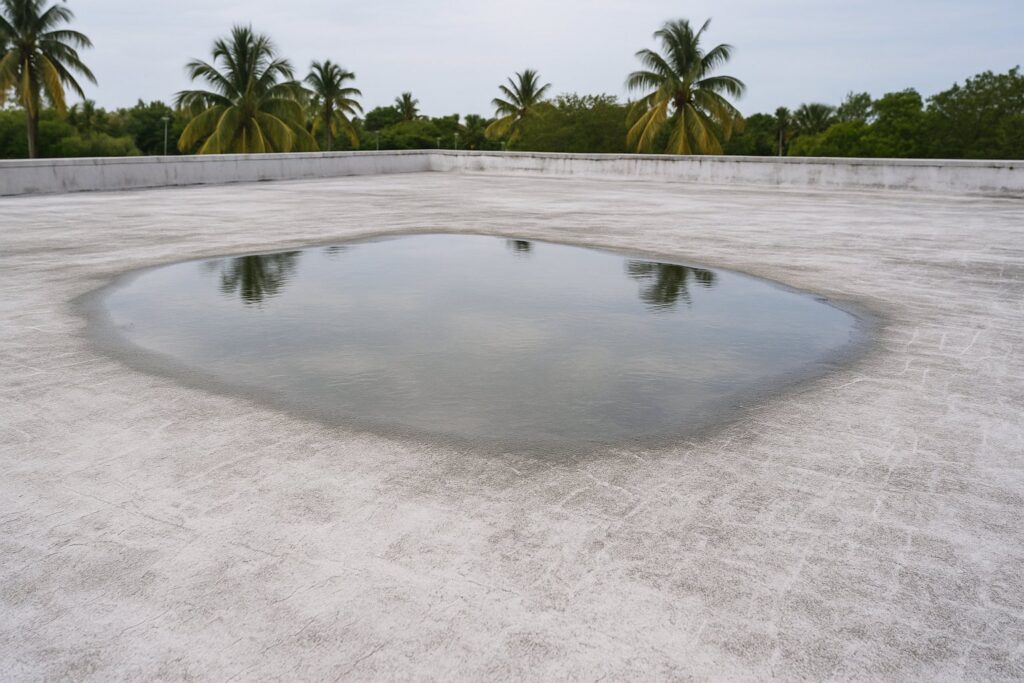
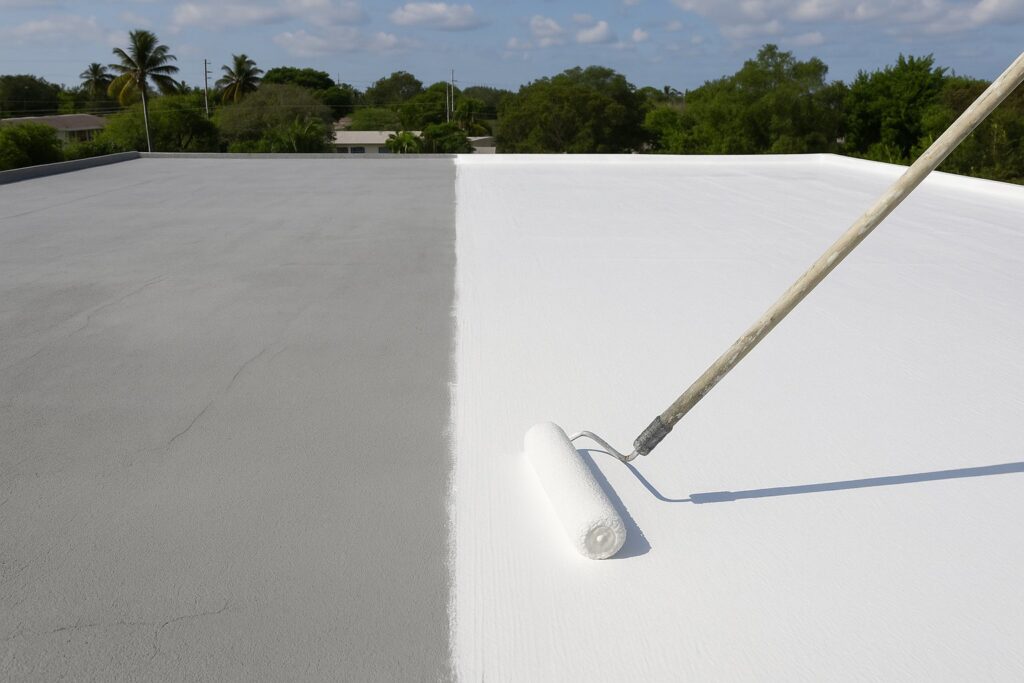
Acrylic coatings are widely used and cost less, but they can break down if water sits on them for long periods. Silicone tolerates standing water better and holds up well in sun, though it can pick up dirt and is harder to recoat with other materials. If your roof ponds, silicone may suit it better. We recommend by the roof's condition and drainage.
What weather stops a coating job?
Rain, of course, but also high humidity, heavy dew, and surfaces that are wet or too hot. Coating needs a clean, dry roof and time to cure, so afternoon storms in the wet season affect the schedule. We check the forecast, start early, and leave margins. If rain threatens, the coating is not applied, since a washed-out coat has to be redone.
Will coating change my existing roof warranty?
It may. A manufacturer warranty on an existing roof can have conditions about coatings, so check the terms before you coat. A coating system has its own warranty, which depends on the roof surface, the preparation and the product. Ask for both in writing, and keep records of the inspection and the repairs so you can show what condition the roof was in.
What happens at edges, drains and penetrations?
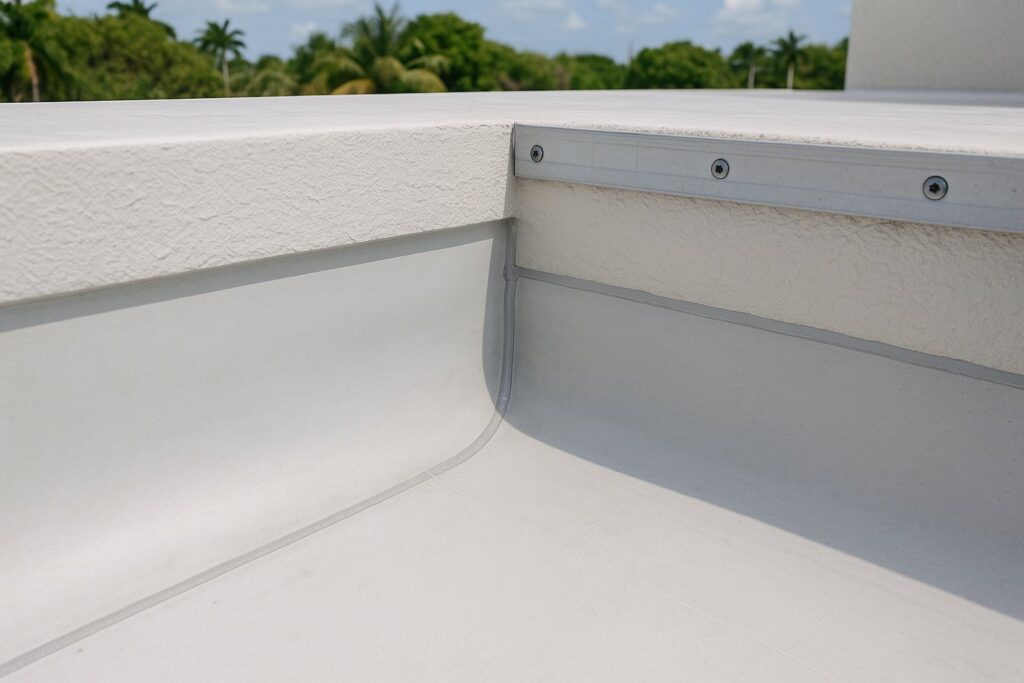
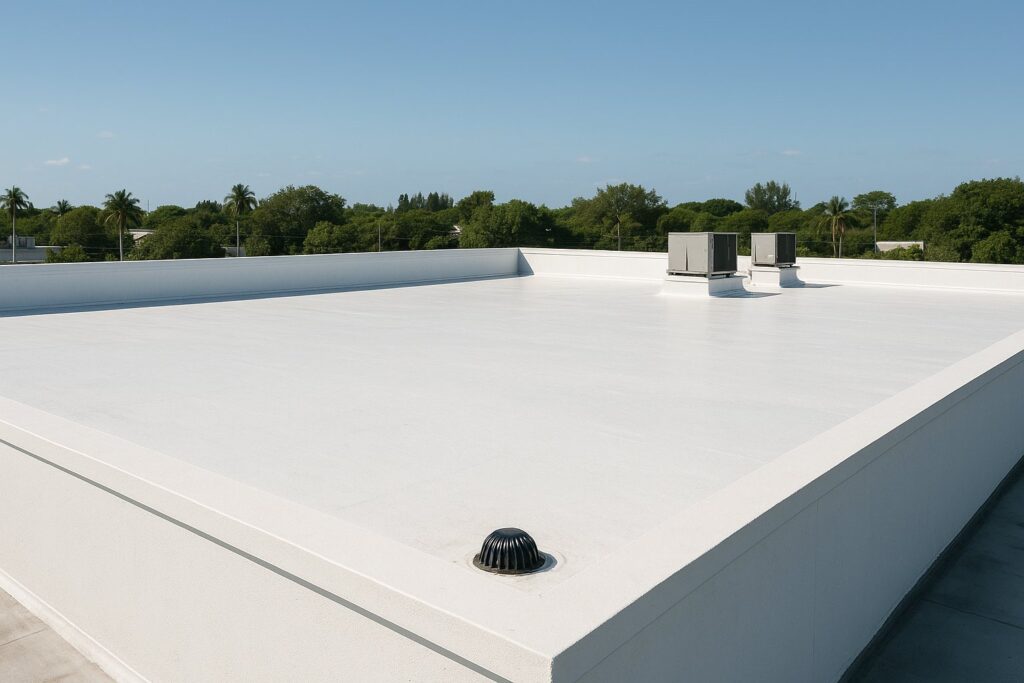
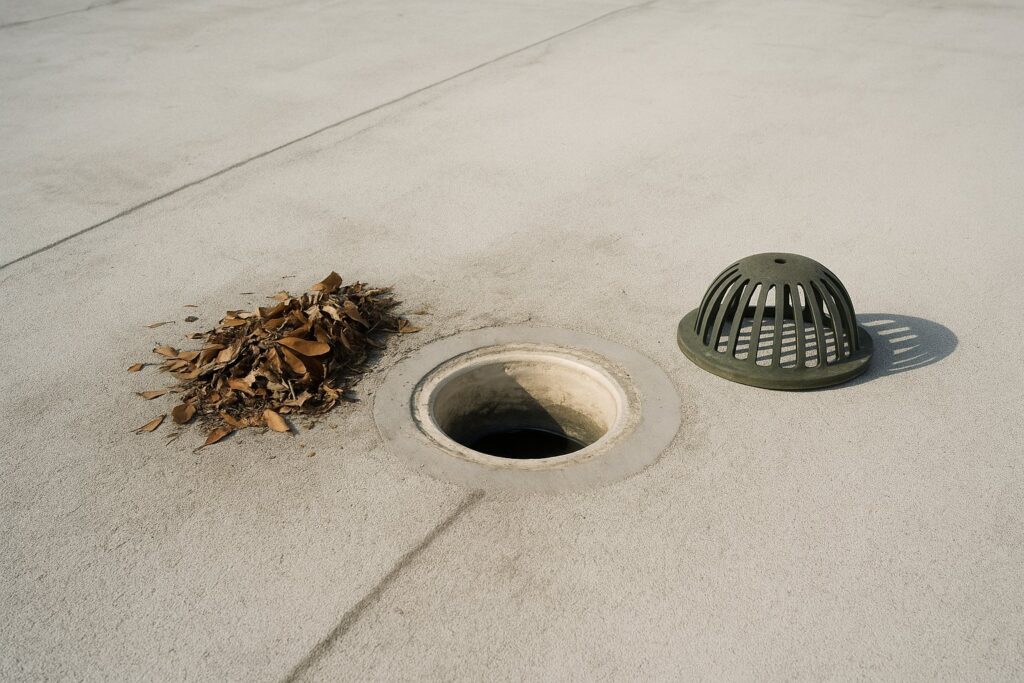
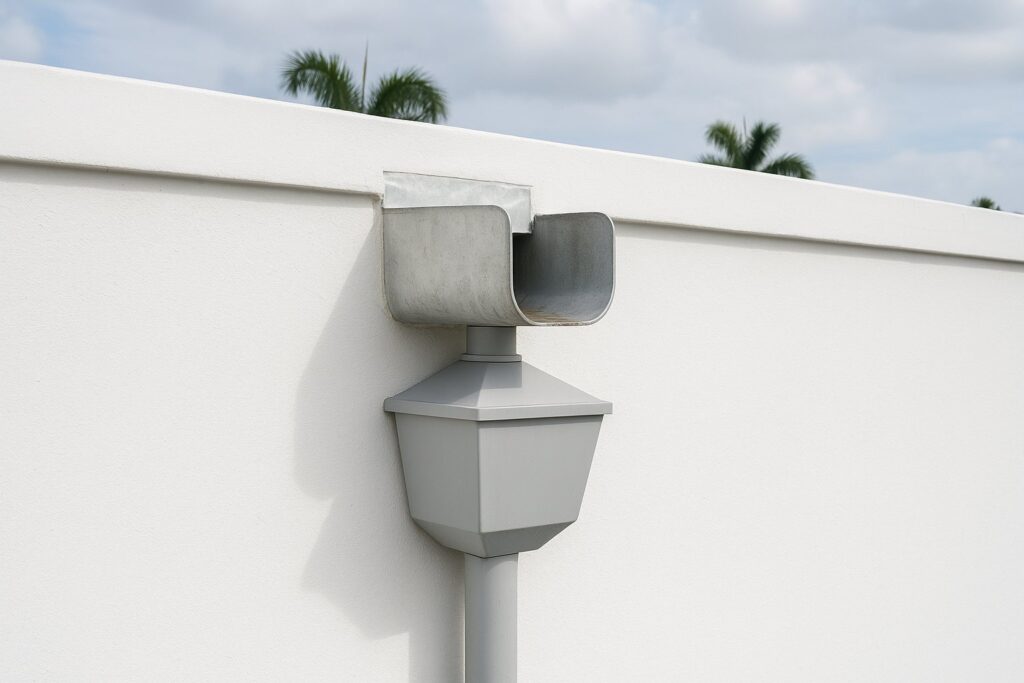
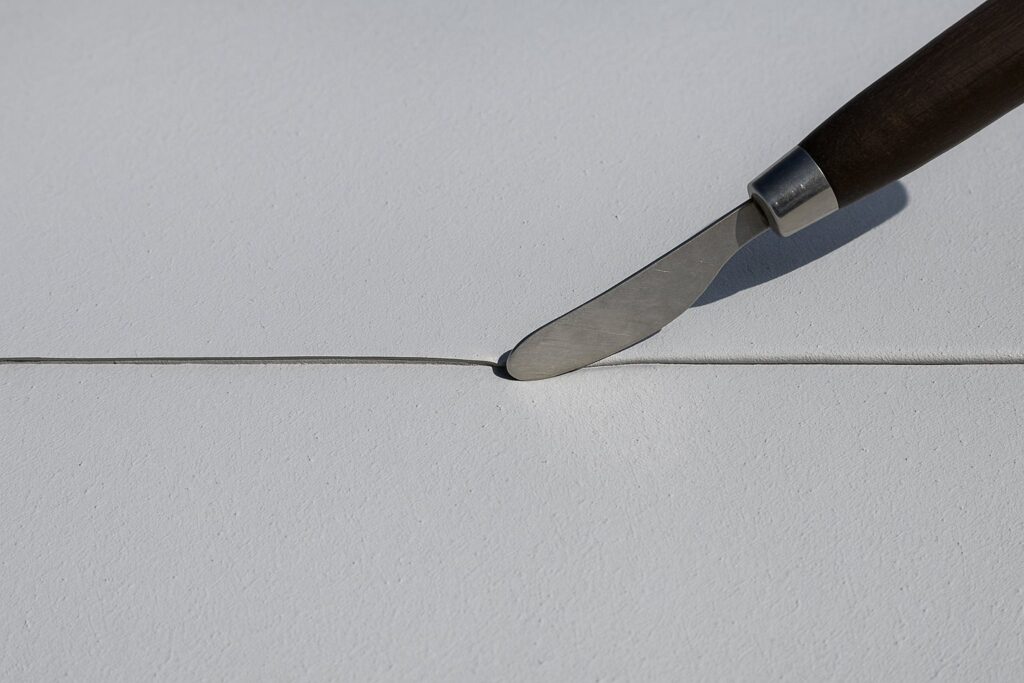
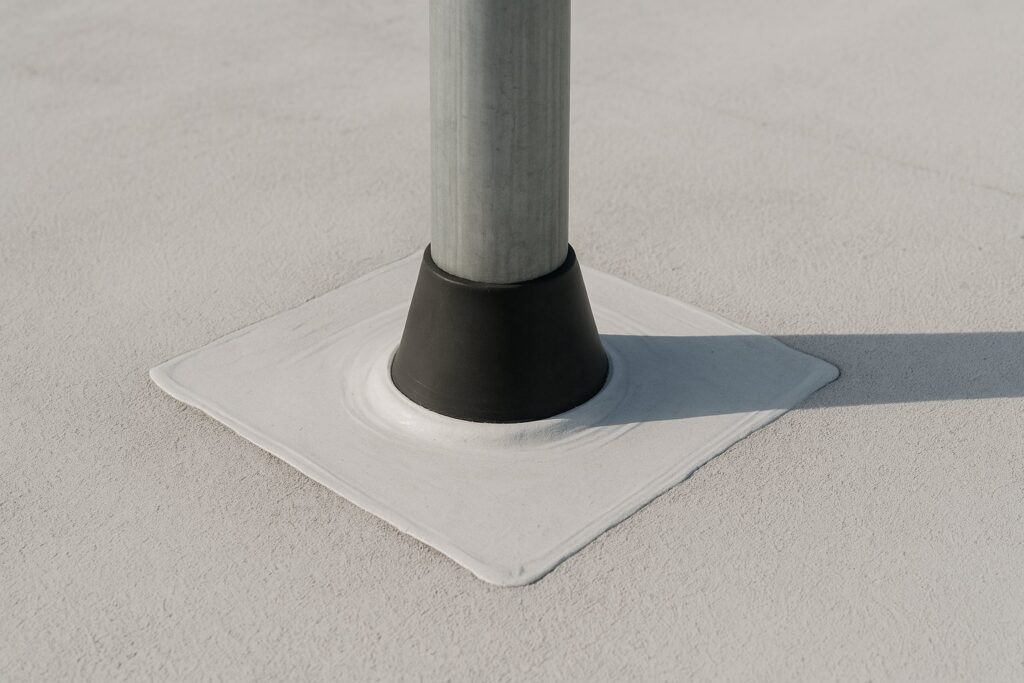
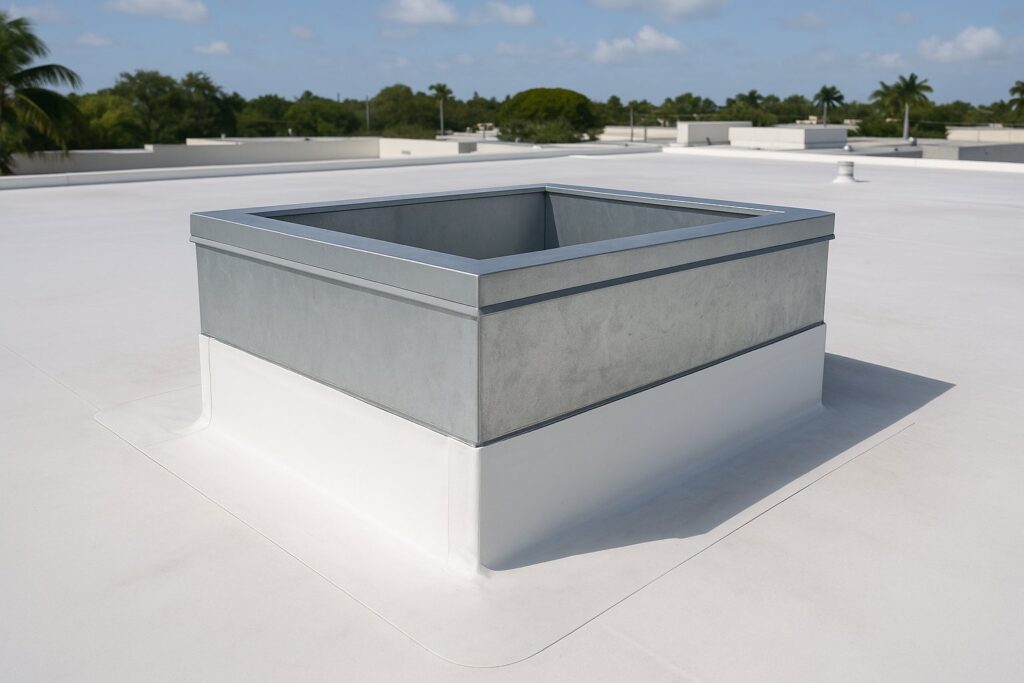
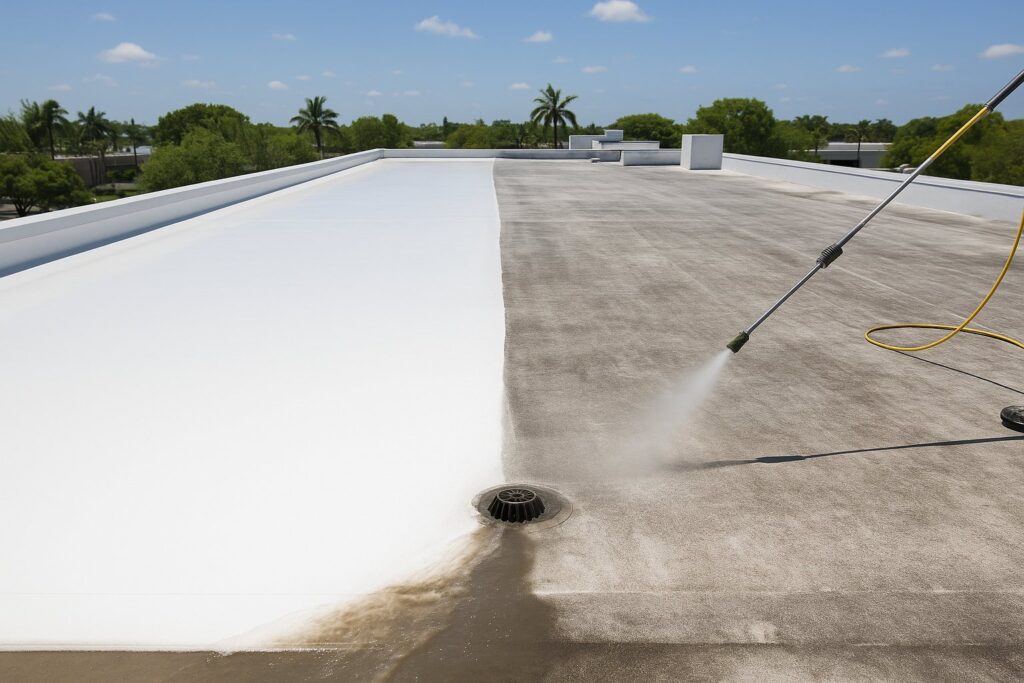
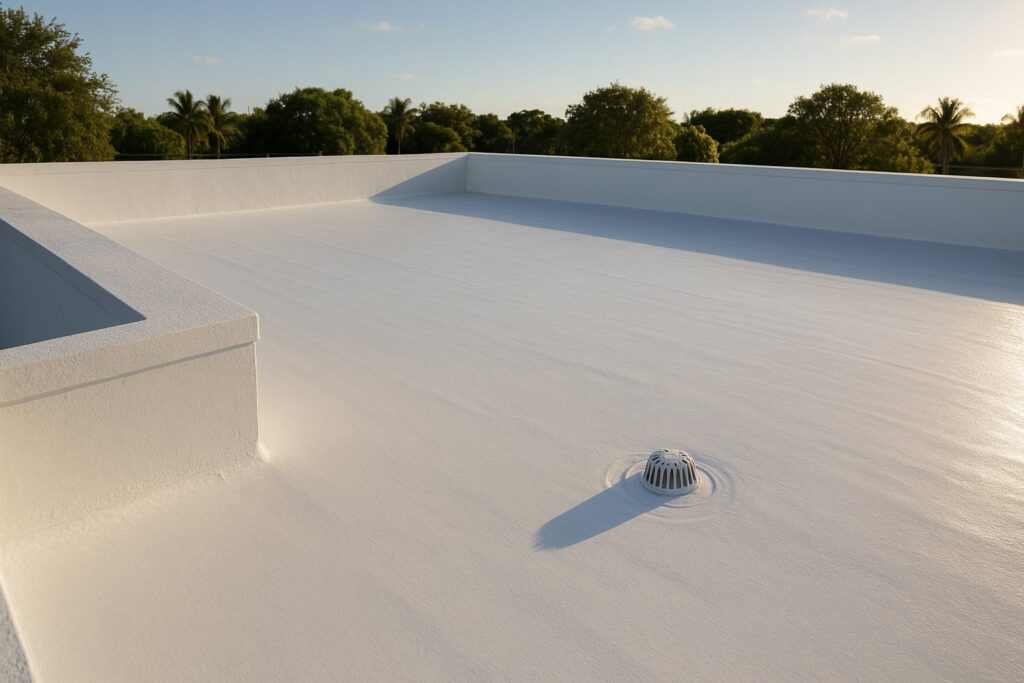
They get extra attention. Edges, drains, curbs and pipes are where roofs leak, so those areas are cleaned, repaired and reinforced with fabric or mastic before the field coat goes on. A coating that covers an unrepaired flashing hides the problem for a while, and then fails there first. We treat these details before the main coating.
Can I walk on a newly coated roof?
Not until it has cured, and even then, sparingly. A fresh coating can scuff, and footprints or dropped tools can mark or cut it. After curing, walkway pads protect the paths used by service technicians. Tell AC, satellite and other contractors to use the marked routes, and let us know if anyone has been on the roof.
What does a moisture survey show before coating?
It maps where water has entered the roof system, which can be hidden below a dry-looking surface. Tools such as moisture meters and thermal imaging help find wet insulation. Wet areas need to be cut out and replaced, since coating over them traps moisture. The survey is how we decide between coating, repair and replacement.
Does a weathered tile roof need sealing?
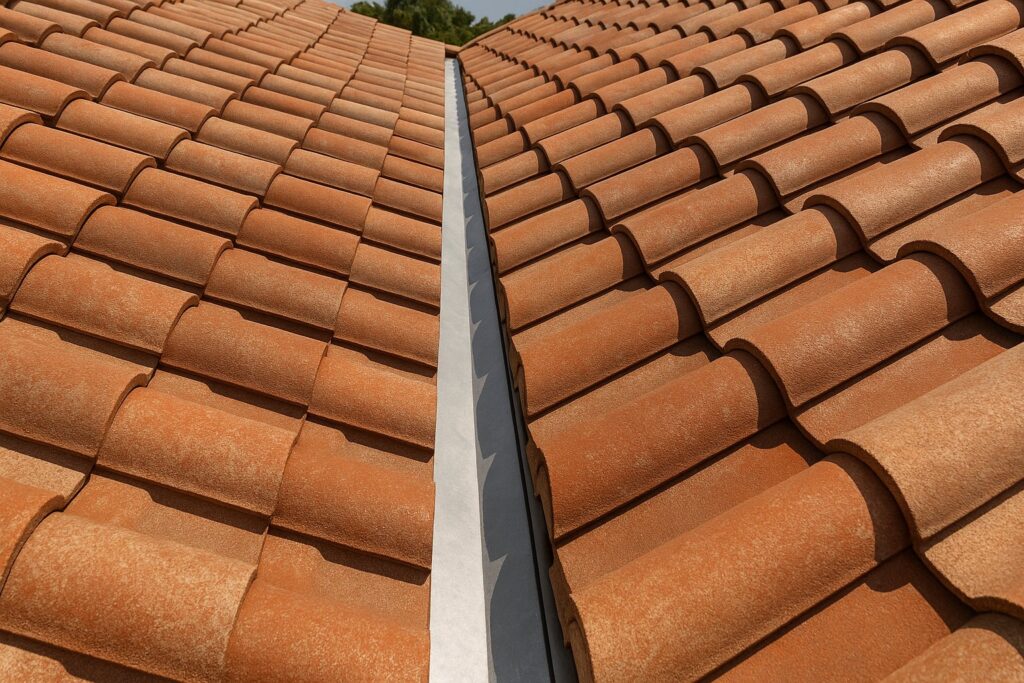
Not necessarily. Many weathered tile roofs need cleaning, a check of the underlayment and fixing of loose or broken pieces, not a coating. Stains and color fade are often cosmetic. Sealers can trap moisture and can void a tile warranty, so we look at the roof first. If the tile is sound, cleaning and repair come before anything else.
What should be checked before and after hurricane season?
Before: loose or cracked tile and shingles, flashing, sealant, drains and gutters, and any branches near the roof. After a storm: look from the ground for missing or lifted pieces, check the attic and ceilings for water, and have the roof inspected if you see anything. Photograph the condition before the season, because a dated baseline helps if you need to make a claim.