


Design pressure, opening by opening
Wind pressure is not one number for the house. It varies with height, with exposure and with position — corners and the zones near them carry more than the middle of a wall. Each opening is assessed on its own.
10 service categories · 100 service pages · Miami-Dade, Broward & Palm Beach
View all services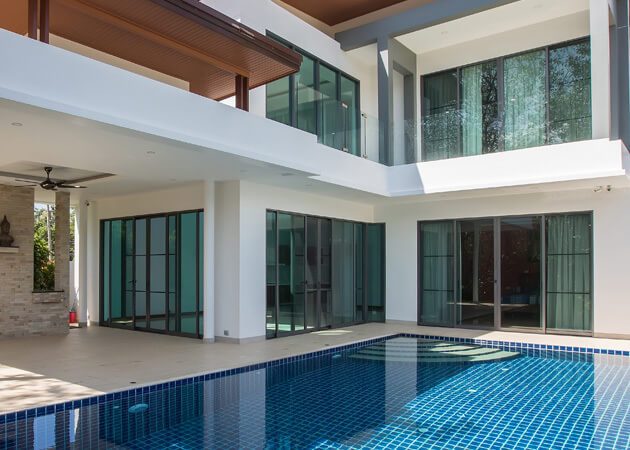
Impact-rated window and sliding glass door installation across Miami-Dade, Broward and Palm Beach — product approvals, pressure calculations, permitting and fitting handled by one licensed general contractor.
Miami-Dade · Broward & Palm Beach Counties
ScrollImpact window installation
What gets approved is the whole unit — frame, glazing, fixings and the way it is anchored into your wall. Change any part of that on site and you no longer have the thing the approval covers.
That is why impact work is paperwork before it is labour. Each opening has a design pressure derived from the building's location, height, exposure and the size of the opening itself. A unit is then selected whose approval covers that pressure, in that size, with that anchoring method into that wall construction.
Miami-Dade and Broward operate the High-Velocity Hurricane Zone provisions, which are the most demanding in the country and which require a Notice of Acceptance for the product. Elsewhere in the state a Florida Product Approval applies. Either way the documentation travels with the permit, and the inspector checks the installed unit against it.
The installation itself is where approvals are most often invalidated — wrong anchor, wrong spacing, wrong substrate, or a buck that was never designed to carry the load. We install to the approval that was submitted, because anything else means the openings are not actually rated no matter what the sticker says.
How we work
Wind pressure is not one number for the house. It varies with height, with exposure and with position — corners and the zones near them carry more than the middle of a wall. Each opening is assessed on its own.
Miami-Dade and Broward sit in the High-Velocity Hurricane Zone and require a Notice of Acceptance. Elsewhere a Florida Product Approval applies. The document has to cover the actual unit, at the actual size.
The approval specifies anchor type, size, spacing and edge distance into a defined substrate. Substituting any of those on site voids it, however solid the result looks.
What the frame fixes into matters as much as the frame. Bucks are checked, and replaced where they cannot carry the load the approval assumes.
Flashing, sealant and the drainage path around the frame are what stop a perfectly rated window leaking in an ordinary afternoon storm.
Approvals, calculations and product data assembled for the permit, so the inspector can match what is installed to what was approved.
Installed openings · 01
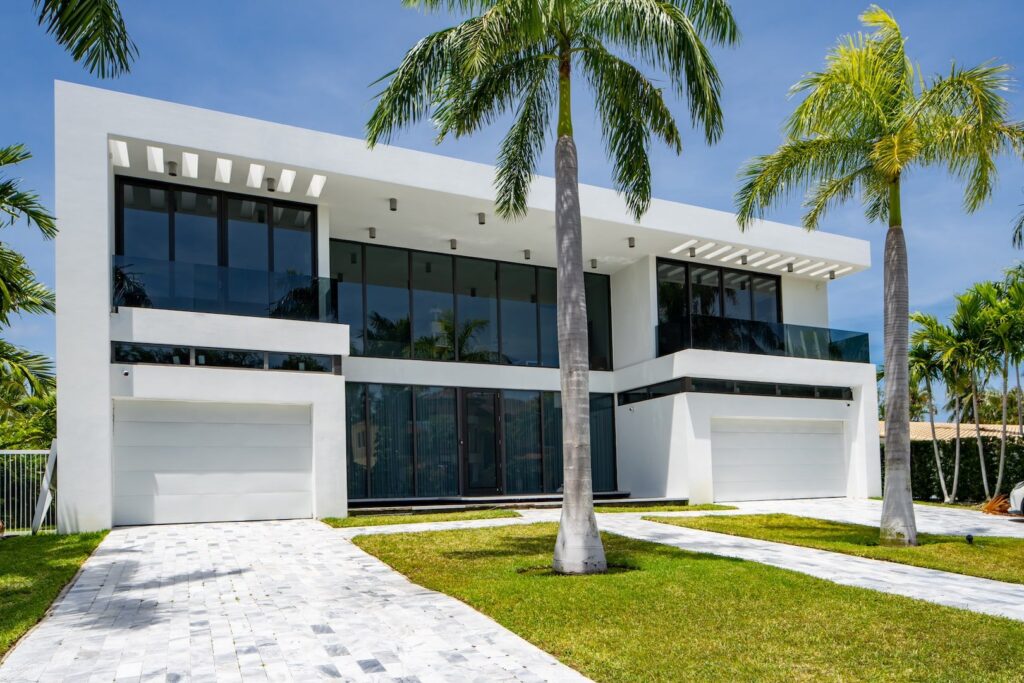
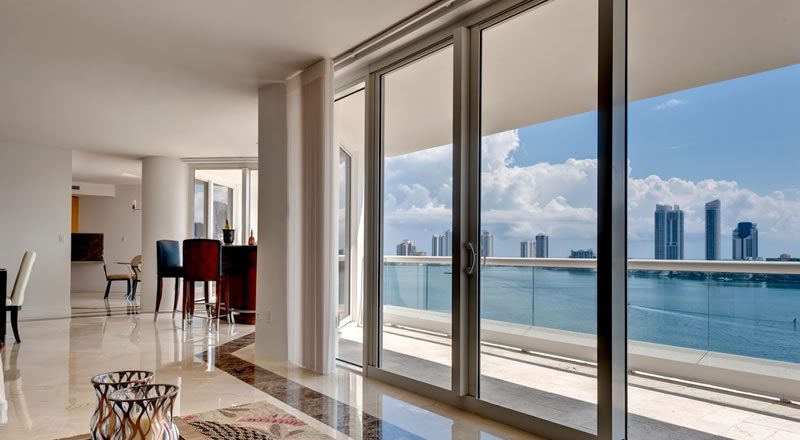
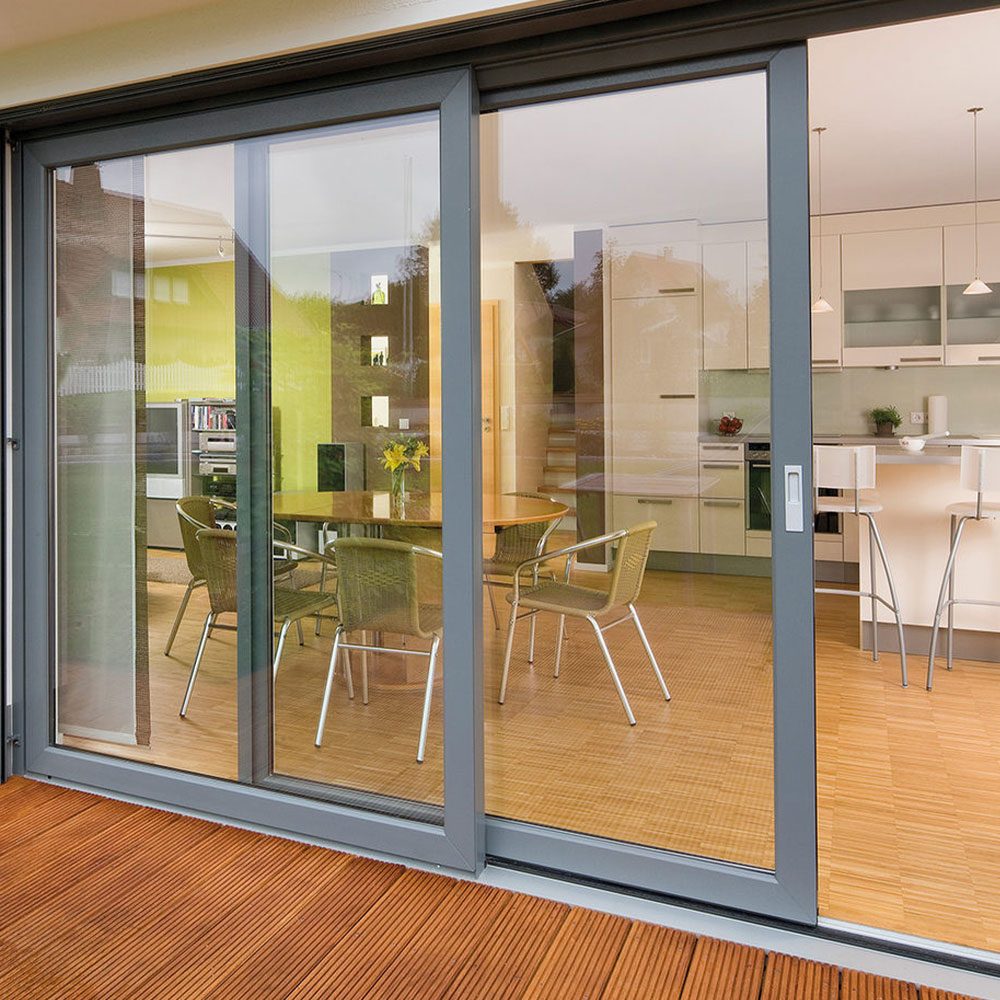
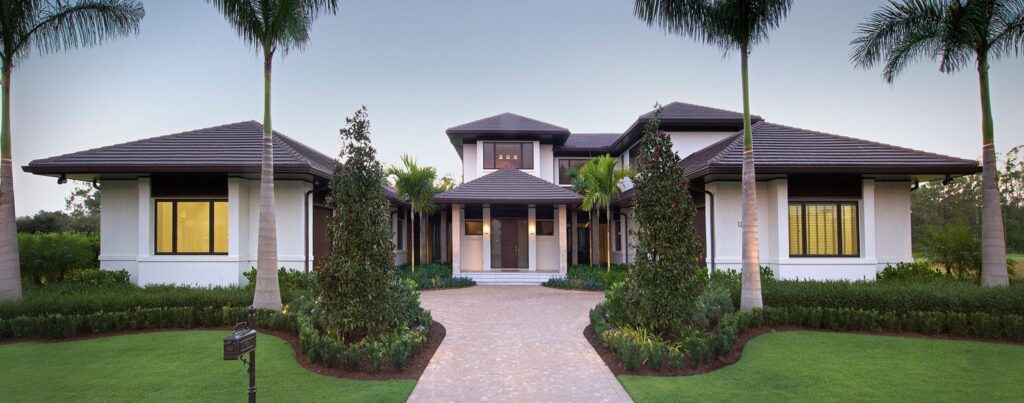
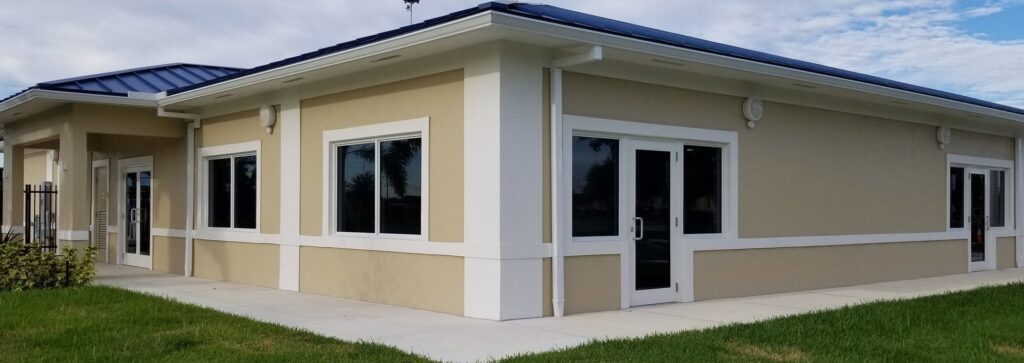
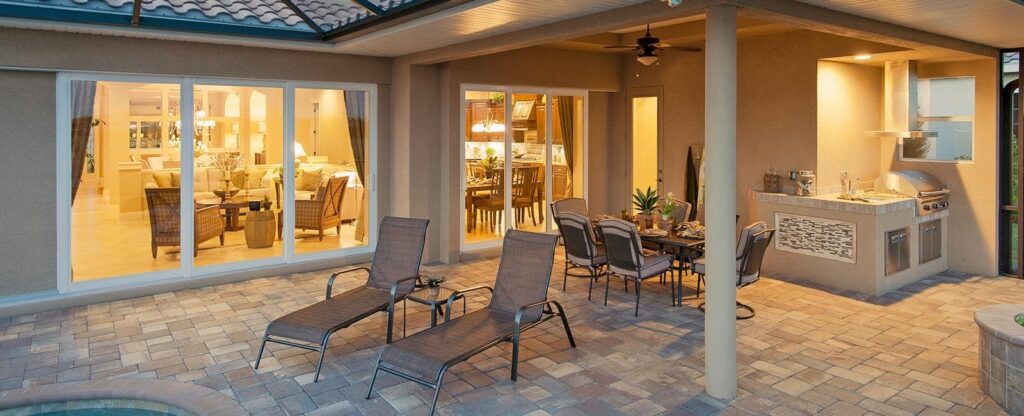
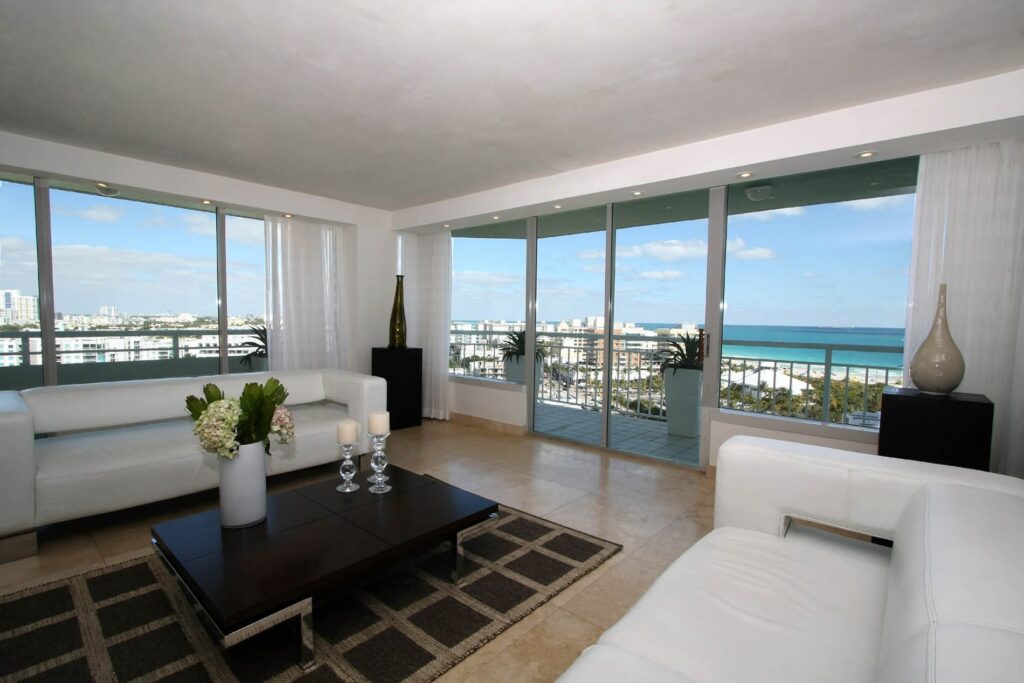
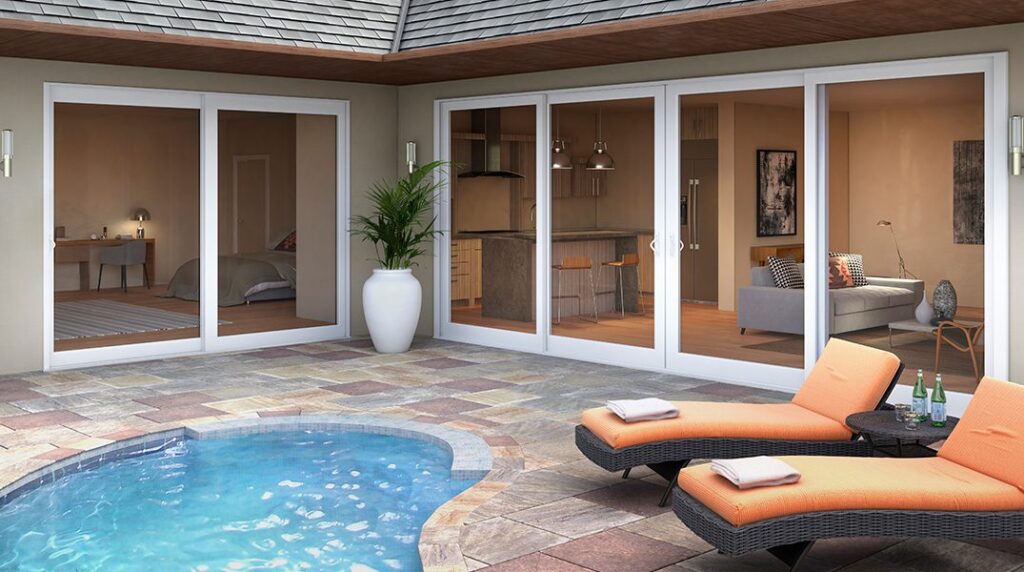
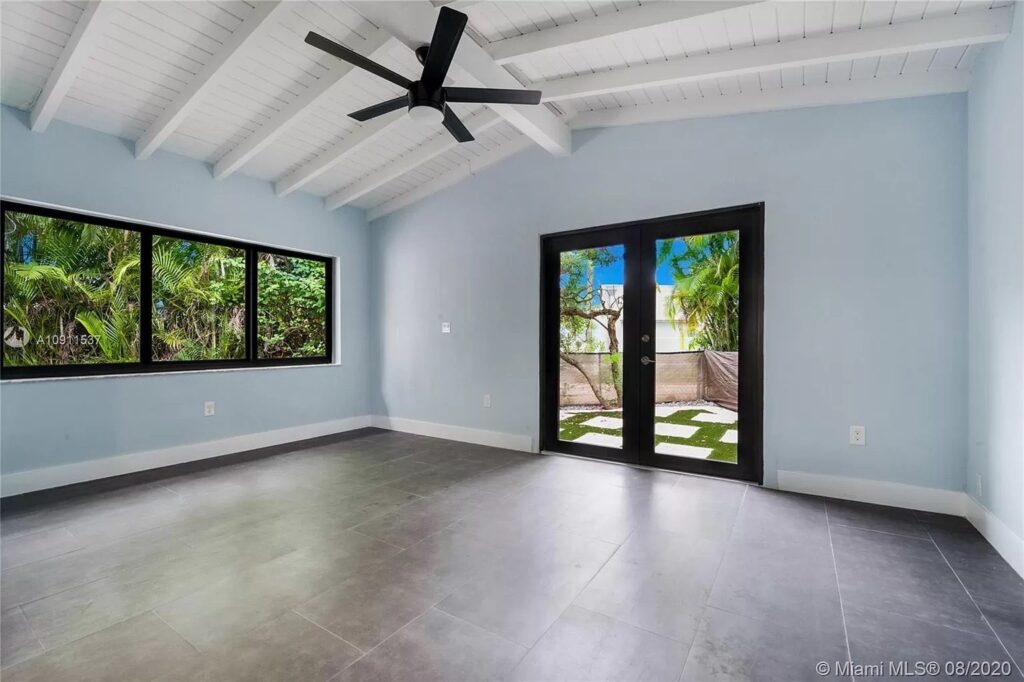
A full-height glazed opening onto a pool terrace — the largest openings are the ones the wind load calculation cares about most.
What the photographs show
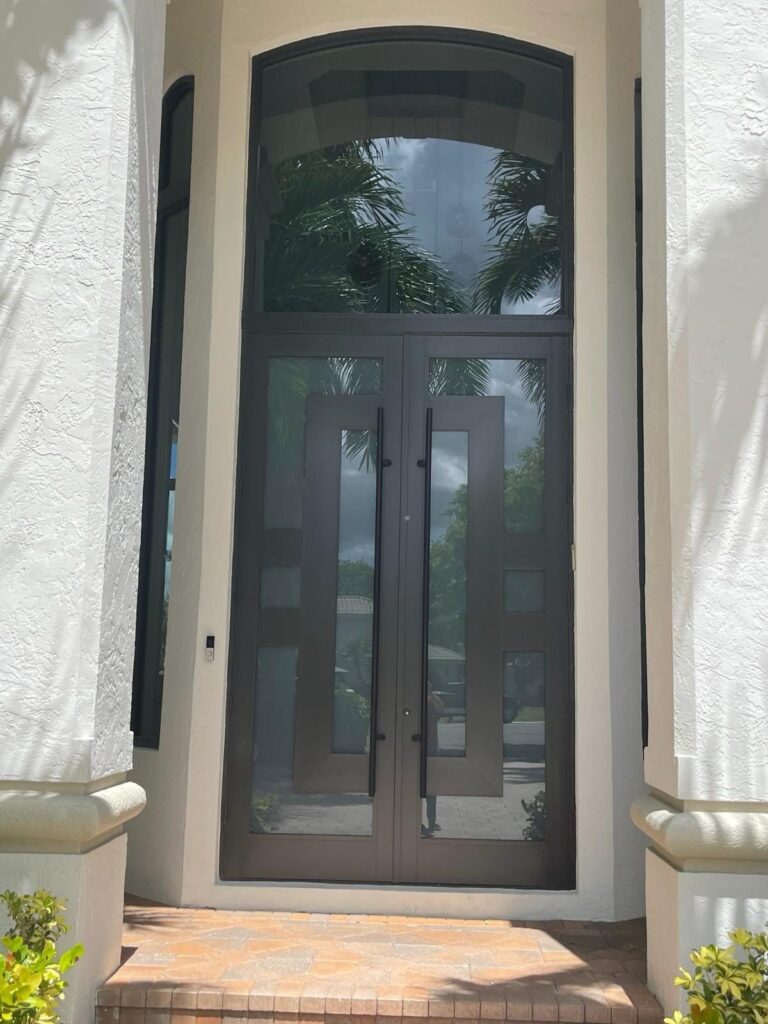
Several of the elevations above are glazed almost wall to wall. Those are the openings that make an impact package difficult, because required design pressure rises with the size of the opening and with proximity to a corner — and the widest sliding assemblies are frequently the ones nearest the corners.
Waterfront exposure compounds it. A building with open water in front of it sees a different exposure category from one screened by neighbouring houses, and the pressures that follow are higher for the same wall.
The approval covers a whole assembly. Change the anchor on site and the opening is no longer rated, however good it looks.
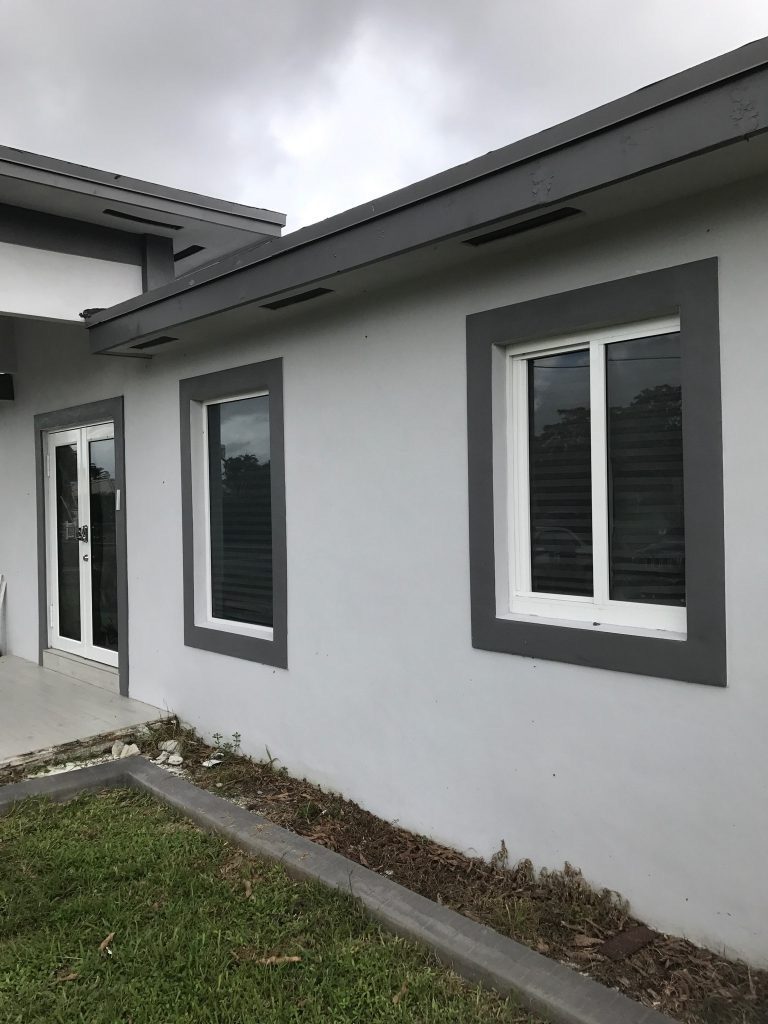
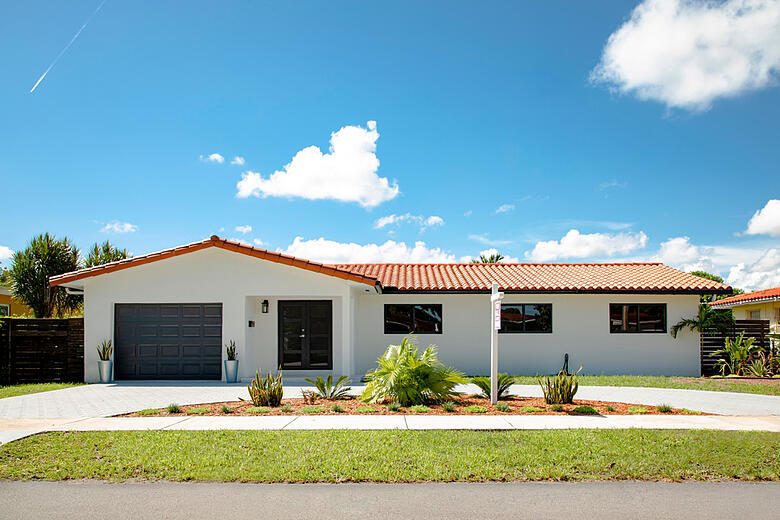
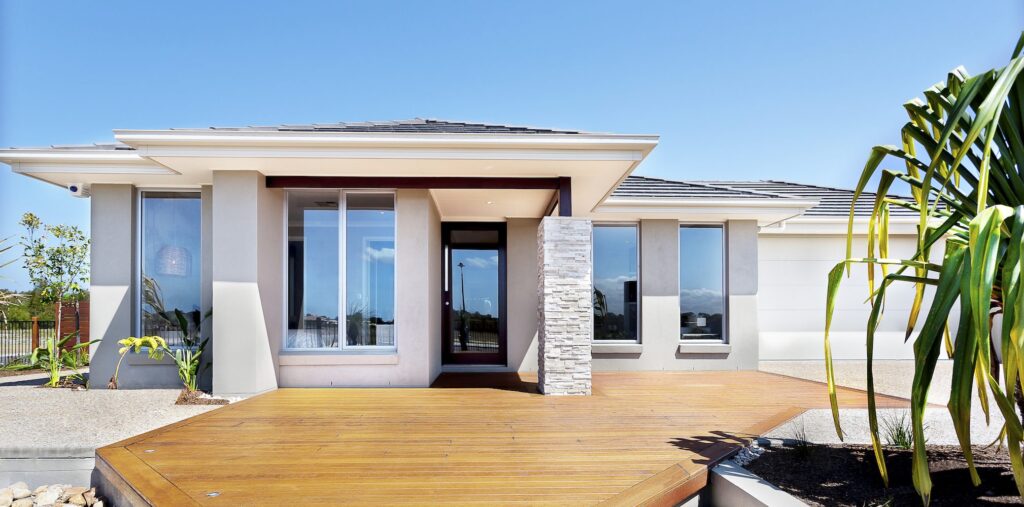
What the finished photographs cannot show is the part that matters most: the anchors behind the frame, at the spacing the approval requires, into a substrate the approval names. That is what the inspection checks, and it is the reason we install to the submitted document rather than to habit.
| Openings | Fixed and operable windows, and multi-panel sliding glass doors |
|---|---|
| Frames | Aluminium, set into finished stucco reveals |
| Glazing | Laminated impact glass |
| Sites | Waterfront and inland South Florida elevations |
| Approval route | NOA in the High-Velocity Hurricane Zone; Florida Product Approval elsewhere |
| Anchoring | To the type, size and spacing named in the approval |
| Perimeter | Flashed, sealed and made good in the surrounding finish |
Described only from what is visible in the photography, plus the approval process that governs this work generally. No specific property, address, client, cost, product brand, NOA number or design pressure is stated, because none of that is documented in the image set.
Specification
Sliding doors
A multi-panel slider is the most demanding assembly on most houses: the widest opening, often near a corner where pressures peak, and with a track that has to drain as well as carry load. Panel count, pocket versus stacking, and whether the track sits proud of or flush with the finished floor are all decided before the approval is selected — because they change which approval applies.
Corners and zones
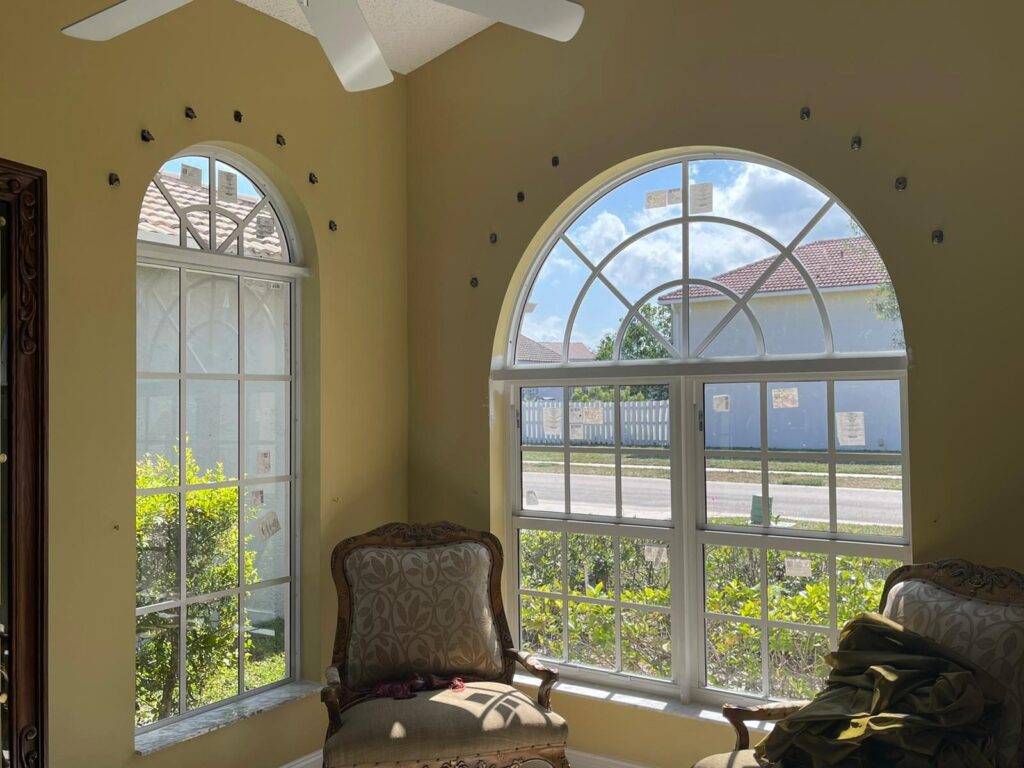
Wind pressure is highest near corners and edges. Two identical windows on the same wall can carry different requirements depending where they sit.
Anchoring
Anchor type, size, spacing and edge distance are specified by the approval. They are checked at inspection and they are where installations most often fail.
Bucks and substrate
The approval assumes a substrate. Where the existing buck cannot carry the load, it is replaced rather than worked around.
Water management
A rated window still leaks if the perimeter detail is wrong. Flashing and the drainage path are part of the installation, not an afterthought.
Glass options
Tint, low-E coating and laminate interlayer affect heat gain, glare and noise. None of them changes the impact rating; all of them change how the room feels.
Common questions
What owners across the tri-county area ask us most often before replacing openings.
Where every opening in the building envelope is protected to the required standard, separate shutters are generally not required. The qualifier matters: protection is assessed for the whole envelope, so one unprotected opening can undo the position.
A Notice of Acceptance is the Miami-Dade product control document required in the High-Velocity Hurricane Zone, which covers Miami-Dade and Broward. Outside the HVHZ a Florida Product Approval applies instead. Which one you need follows from where the building is.
Opening protection is one of the categories a wind mitigation inspection records, so it is visible to your carrier. What they do with it is between you and them — we do not quote premiums or promise savings.
Yes. Window and door replacement is permitted work, the product approval is submitted with the application, and the installation is inspected against it.
Usually. The existing opening, buck and substrate are surveyed first, because the approval assumes a substrate that can carry the specified anchors. Where it cannot, that gets put right as part of the work.
No. Applied film is retrofitted to existing glass and is not the same as a tested, approved impact assembly. Only the tested assembly carries an approval.
It can. The point is that the laminate interlayer holds the broken glass in the frame so the opening stays closed. Keeping the envelope sealed is what protects the roof from internal pressure.
It depends on the number of openings and on how much making-good the existing reveals need. The permit and product lead time usually take longer than the fitting, and we give a realistic sequence once the survey is done.
The laminated interlayer does reduce noise, and many owners notice it more day to day than the storm performance. It is a genuine benefit, though it is not what the product is tested for.
You can, and it is a common way to phase cost. Be aware that partial protection changes how the envelope is assessed, so it is worth understanding that position before deciding the order.
Your details are with the Elbaz Construction team and we will come back to you, usually the same or next working day. If it is urgent, call (754) 236-0675.
Installations · 02
Planning & permitting
Every opening measured, and the existing frame, buck and substrate assessed for what they can carry.
Design pressures established from the building's location, height, exposure and each opening's size and position.
Units chosen whose approval covers the required pressure at the required size, in the required configuration.
NOA or Florida Product Approval assembled, with the anchoring details that go with it.
Application and product documents submitted to the authority having jurisdiction; review comments answered.
Units manufactured to the approved sizes. This is usually the longest single stage.
Existing units taken out, and the openings prepared — including buck replacement where the survey called for it.
Set, anchored to the specified type and spacing, and flashed.
The installed openings checked against the approved documents by the building department.
Perimeter sealed, reveals and finishes made good, and the permit closed.
Which approval route applies, which pressures are required and which inspections a job triggers are set by the authority having jurisdiction and by the building's location and exposure. We confirm them for your address rather than working from a general rule, and we do not publish review durations.
Ratings explained
The positive and negative pressure the assembly is approved to withstand, in pounds per square foot. Your opening has a required DP; the unit has an approved one, and the second has to meet or exceed the first.
The test that defines "impact rated" for most residential openings: a timber missile fired at the glazing, followed by pressure cycling. Passing means the laminate holds the opening closed even when the glass breaks.
A steel-ball test applied to glazing above a certain height, where the debris a storm carries is smaller. Different test, different approval.
After impact, the assembly is pressure-cycled thousands of times to represent a storm's duration. This is what separates impact glazing from merely tough glass.
The Miami-Dade product control document required in the High-Velocity Hurricane Zone. It names the exact configuration, maximum sizes and anchoring permitted.
The statewide route used outside the HVHZ. Same principle: the approval defines what may be installed, where, and how it must be fixed.
This explains terminology found on product approval documents. Which approval route and which pressures apply to your openings is determined by your building's location, height and exposure, and confirmed with the authority having jurisdiction — we do not quote a rating without assessing the opening.
Budget
Large sliding assemblies cost several times what a standard window does, and the total is driven by how many openings the envelope has.
Higher required pressures narrow the product options and push toward heavier, more expensive assemblies. Exposure and corner proximity both drive this.
Bucks that cannot carry the specified anchors, and substrate found once the old unit is out. This is the item most likely to move once work starts.
Finish, tint, low-E coating and interlayer choice all sit on top of the impact rating without changing it.
Stucco, interior reveals, trim and paint around every opening. Easy to forget when comparing quotes.
Approvals, calculations, submission and inspections. Not optional, and not where to economise.
The bars show the relative weight these factors typically carry against one another on impact window work. They are not prices, percentages of a budget, or a quotation, and the order can change on any individual building.
Google reviews
4.8
Asher has a lot of experience . We replaced our windows to energy efficient windows. He got down to business right away and did high quality work. His team is very professional! Thanks again
If you are planning to remodel your kitchen or bathroom or do any other construction project, call Sean from Elbaz Construction . He has a lot of experience and will recommend the best options/ suggestions to your project. He did high quality job !
I give them a five star rating not only for their excellent roofing skills and timelines, but also for their competitive pricing and the honesty and professionalism of the team !! We are very pleased with the outcome
Elbaz Construction provided excellent service and outstanding craftsmanship. The team was professional and attentive to our needs. We’re extremely satisfied with the results!
Asher was knowledgeable and gave us cool ideas that we didn't even know before. Nice beautiful color and design. We appreciate the price !
We had a good time dealing with Asher and the crew, he went over and above all our expectations and made every effort to ensure that the end result was up to their high standards. Thank you !!
Review text is reproduced verbatim from the connected Google Business Profile, including its original spelling. Nothing is rewritten, shortened or combined. Reviews shown here were selected for relevance to window and envelope work; no review schema is emitted on this page.
Proudly serving homeowners across Miami-Dade, Broward and Palm Beach
104 municipalities across three counties — and we hold the licence to build in all of them. Not sure about your address? Ask us.
Keep reading
Cost guide
Where envelope work sits against the rest of a property budget.
Value
How protected openings tend to weigh when a South Florida property is valued.
Scope
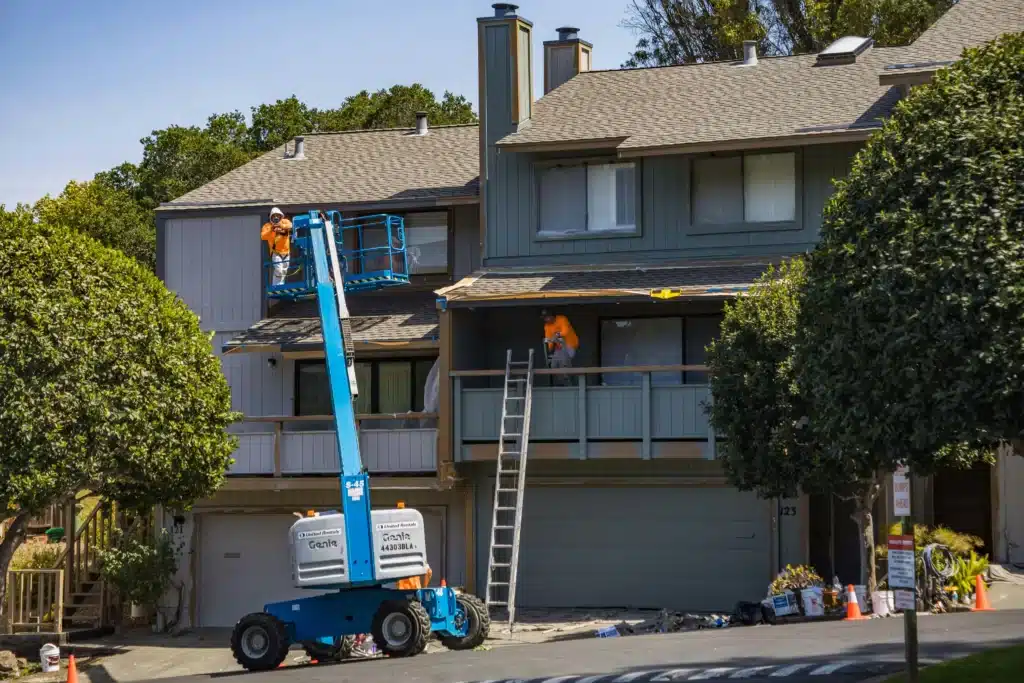
Replacing openings and remodelling around them are different jobs with different permit paths.
Your details are with the Elbaz Construction team and we will come back to you, usually the same or next working day. If it is urgent, call (754) 236-0675.
Next step
Every opening measured and assessed, the required pressures established, and a written scope before anything is ordered.

