


Reference imagery
Preparation, setting,
and the finished floor.
These are real Elbaz Construction photographs — from a large-format porcelain pool-deck installation. The project pictured is exterior decking rather than this page’s interior floor type, but the substrate-to-finish process is the same one described here.
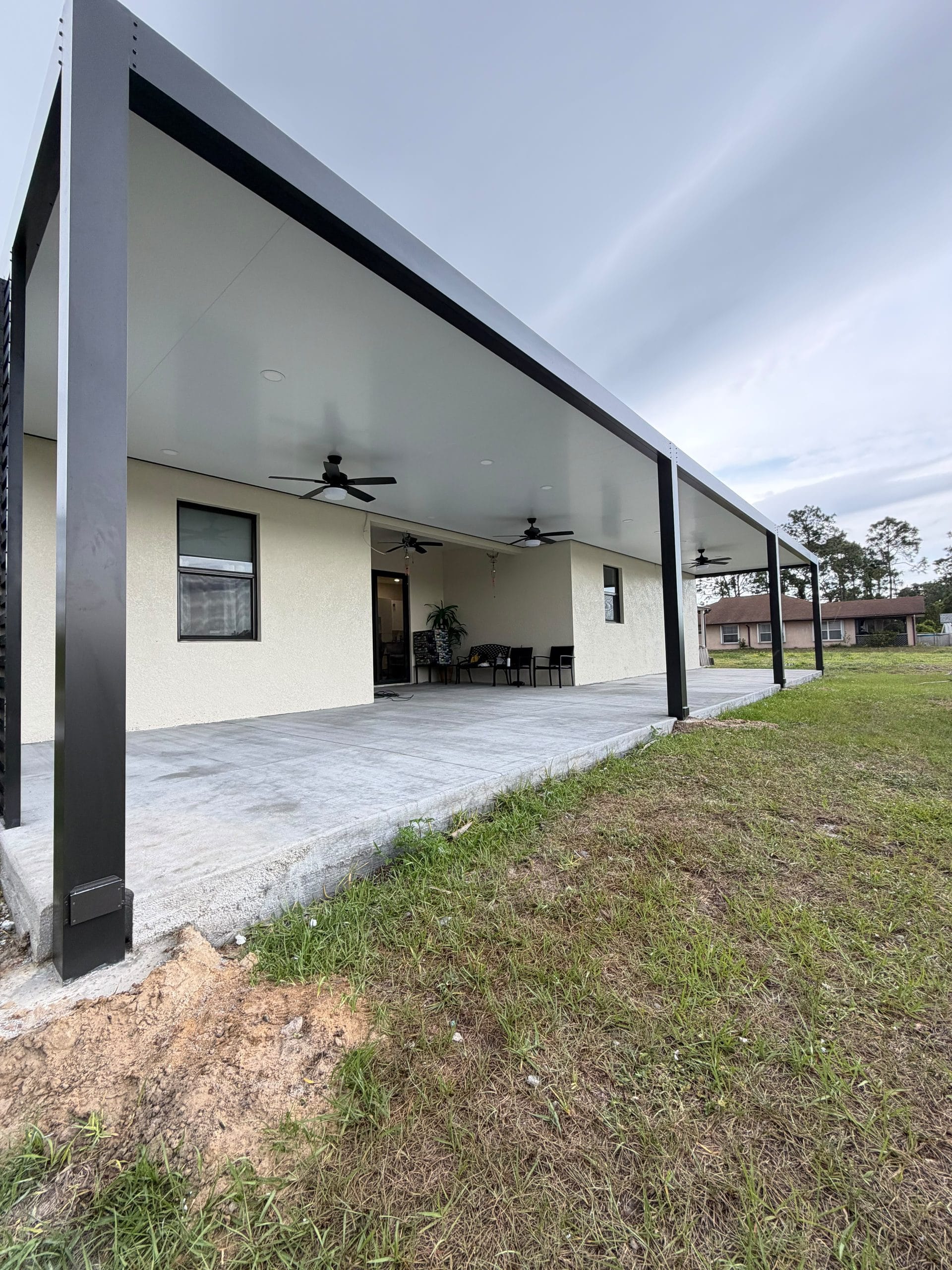
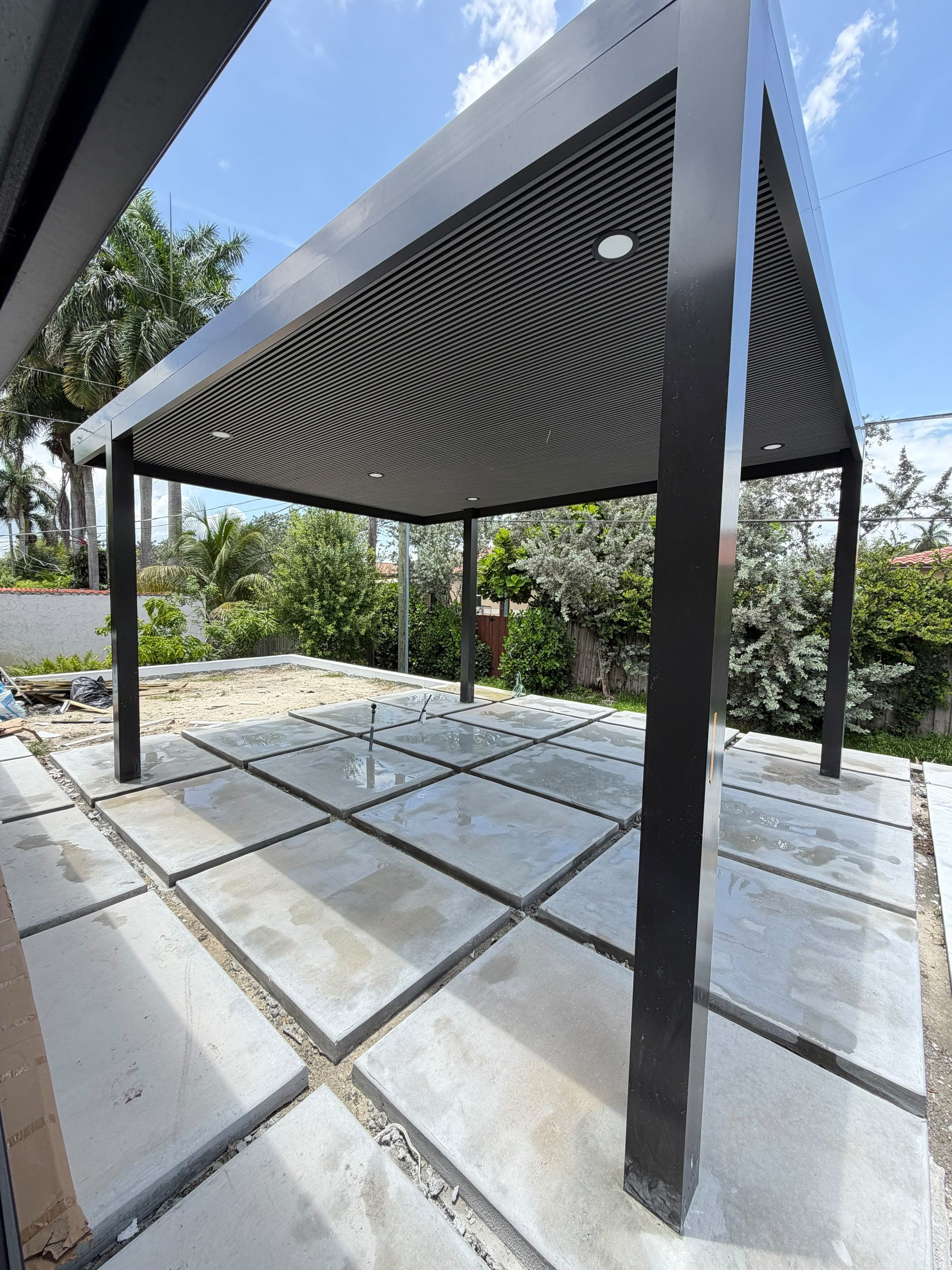
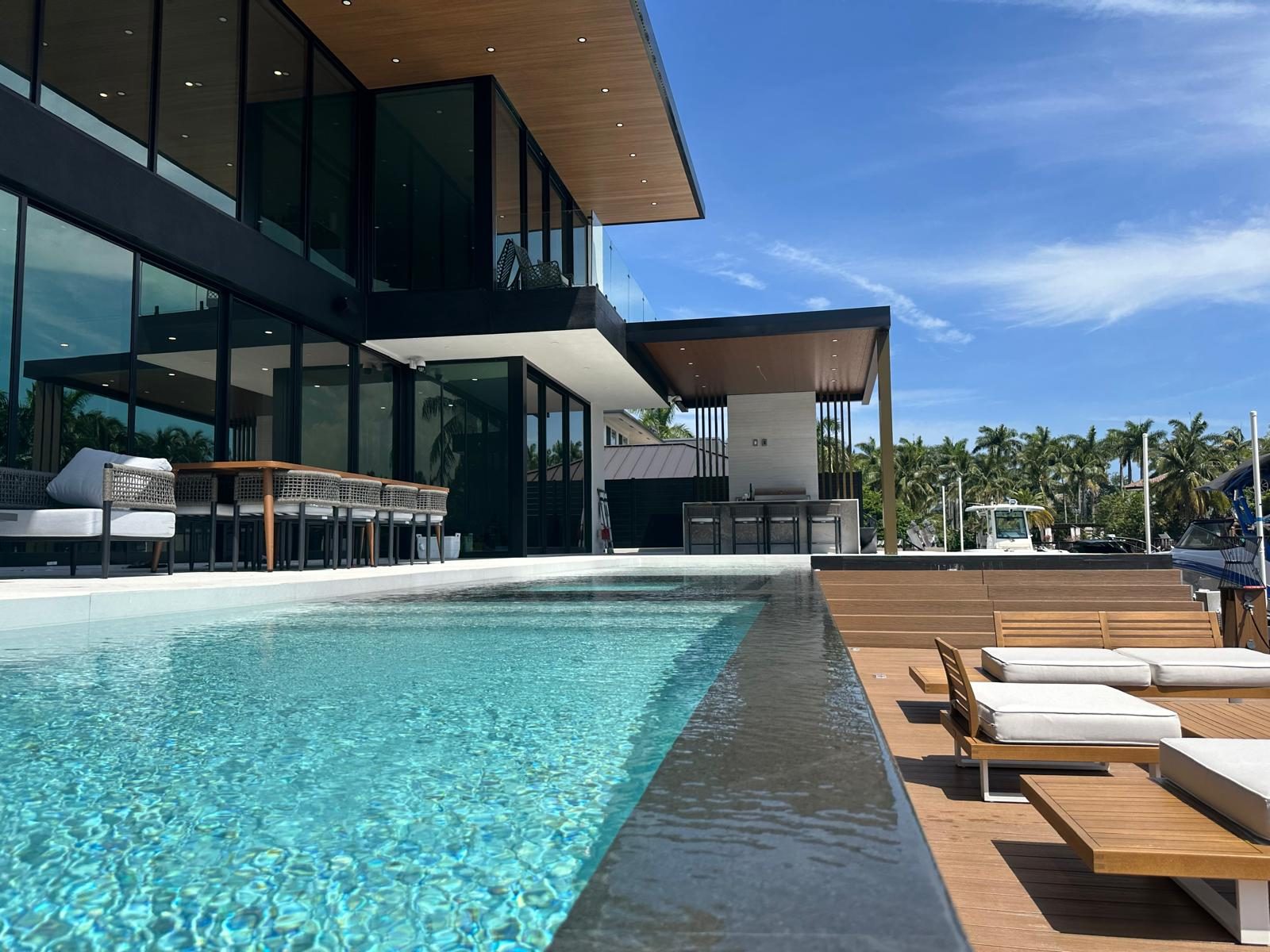
Photographs from an Elbaz Construction large-format porcelain pool-deck installation, shown to illustrate the process described here.
The service
Flat is a specification,
not an adjective.
Large-format porcelain is unforgiving. A slab that looks flat will not be flat enough for a 600 by 1200 tile, and the result is lippage at every joint — the edge you catch with a bare foot and cannot unsee.
Getting there means measuring the substrate against a tolerance, levelling it where it misses, and using a setting method that suits the format. That is most of the labour in a good porcelain floor, and all of the difference.
- Substrate measured, not assumed
Flatness checked against a straightedge before anything is ordered.
- Movement joints designed in
Porcelain moves. Perimeter and field joints are placed deliberately rather than omitted.
- Setting method matched to format
Large tiles need full coverage and often a levelling system. It is not the same job as a small mosaic.
Scope
What a porcelain installation covers
Four stages, of which only the last is what anyone sees.
Movement joints are not optional
A porcelain floor with no perimeter gap and no field joints has nowhere to go when it expands. Tenting and debonding are the result, and they are not repairable without lifting the floor.
Survey and preparation
- Substrate flatness checked against the tolerance the tile format requires
- Existing finish removal and adhesive residue treatment
- Crack isolation or uncoupling membrane where the slab requires it
- Self-levelling compound where flatness misses tolerance
Setting out
- Layout set from the sightlines that matter, not from an arbitrary corner
- Cuts balanced so no edge finishes on a sliver
- Movement joint positions determined before the first tile goes down
- Level and transition heights coordinated with adjoining finishes
Installation
- Setting material appropriate to format, substrate and location
- Full mortar coverage under large-format tiles, back-buttered where required
- Levelling systems to control lippage across joints
- Perimeter and field movement joints formed as designed
Finishing
- Grout selected for joint width, colour stability and cleanability
- Movement joints filled with flexible sealant, not grout
- Thresholds, trims and transitions to adjoining finishes
- Protection until following trades are finished
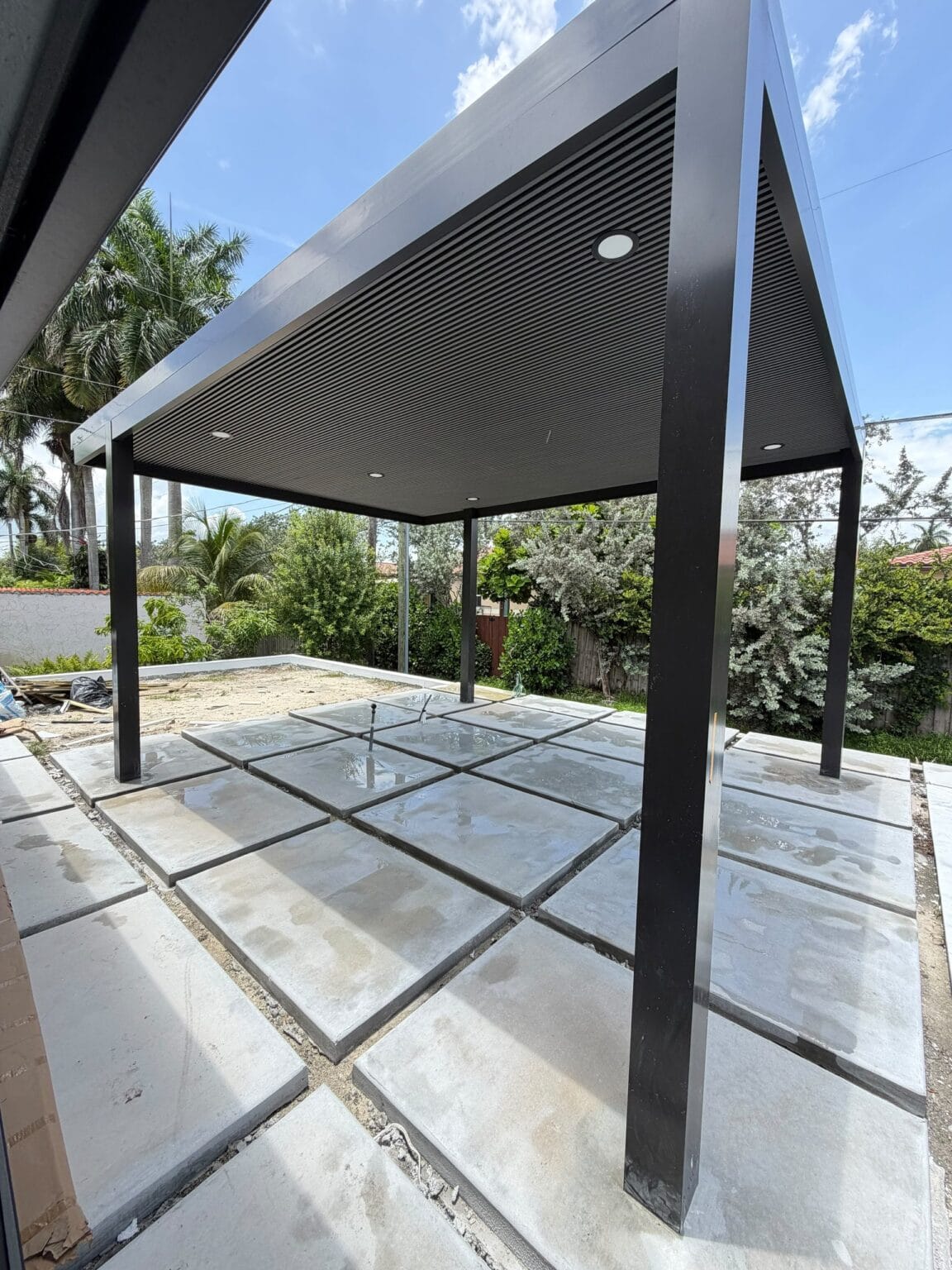
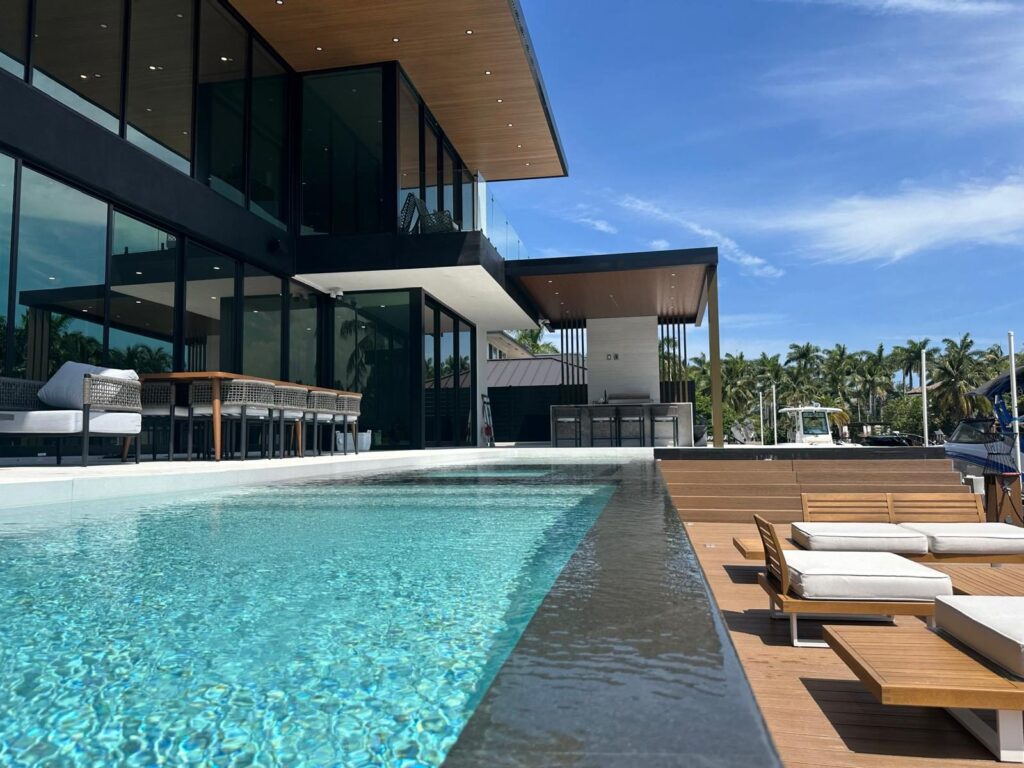
Stills from an Elbaz Construction large-format porcelain pool-deck installation (exterior). They illustrate the stages named beside them; the project pictured is not this page’s interior floor.
How it runs
Six stages,
one contract
Every stage before installation is what determines whether the floor is still flat and bonded in ten years.
- 01
Survey
Substrate type, flatness, moisture and any movement recorded against the format proposed.
- 02
Specification
Tile format, setting material, membrane and joint layout chosen together rather than separately.
- 03
Preparation
Removal, cleaning, levelling and membrane installation.
- 04
Setting out
Layout, cut balance and joint positions agreed before laying.
- 05
Installation
Laid with full coverage and levelling control, joints formed as designed.
- 06
Grout and protection
Grouted, movement joints sealed, and the floor protected until other trades are done.
Approvals
Mostly a specification job,
occasionally a permit one.
Replacing a floor finish is generally not permitted work in itself. What can bring a permit into it is everything around the floor — moving a wall, altering plumbing, or work in a condominium where the association has its own requirements.
In multi-storey and condominium buildings the more common constraint is acoustic. Many associations specify a minimum impact-insulation rating for hard flooring above occupied units, which means an acoustic underlayment and, sometimes, evidence of the assembly’s rating before approval.
We check the governing documents before specifying, because an acoustic requirement changes the build-up, the height and the transitions.
Simplified sketch, for explanation only. It is not a permit drawing and not a plan of either project shown on this page.
From first call to closeout
- Substrate survey
Type, flatness, moisture and movement.
- Association check
Acoustic requirements and approval process where applicable.
- Specification
Tile, setting material, membrane and underlayment together.
- Height coordination
Door undercuts and transitions to adjoining finishes.
- Approval
Where an association or permit is involved.
- Installation
To the specified system.
- Handover
Care and maintenance guidance for the actual products used.
Condominiums usually specify acoustics
Hard flooring over an occupied unit is one of the most common sources of association disputes. Check the required impact-insulation rating before you choose a tile, not after — it changes the whole floor build-up.
Nothing here is legal advice, and no approval outcome or review duration is promised. Requirements vary by municipality and by property.
Cost and schedule
What moves the number
Preparation and format drive porcelain cost far more than the price per square foot of the tile.
What moves the cost
- Substrate condition
Levelling compound, crack isolation or uncoupling membrane can exceed the cost of the tile itself.
- Tile format
Large-format is slower to lay, needs full coverage, levelling systems and often two people to place.
- What comes up first
Removing old tile and its bed is heavy, dusty work and sometimes reveals a substrate that needs more attention.
- Layout complexity
Patterns, diagonals and multiple room transitions all add cutting and setting-out time.
- Acoustic requirement
An underlayment mandated by an association adds material and changes floor height.
- Access and protection
Upper floors, lifts and protecting finished areas all add time.
What moves the schedule
- Survey and specification
Before ordering, because the substrate may change the choice.
- Tile lead time
Large-format and specific finishes are ordered, and shade batches matter.
- Preparation
Levelling compound and membranes have cure times that cannot be rushed.
- Installation
Slower per square foot for large format than for small.
- Grouting
After the setting material has cured, not the same day.
- Protection period
The floor stays protected while other trades finish.
Illustrative diagram · not a photograph of a project
Why porcelain floors fail.
Six causes account for nearly every failed tile floor. Only one of them is the tile itself.
Substrate not flat enough
The single most common cause of lippage. The tolerance tightens as the tile gets bigger.
Insufficient mortar coverage
Voids under a tile are where cracks start, particularly under a corner or an edge.
No movement accommodation
No perimeter gap and no field joints means expansion has nowhere to go. Tenting follows.
Wrong setting material
Format, substrate and location each affect what the adhesive has to do. A general-purpose choice is not always adequate.
Substrate movement
A cracking or deflecting slab telegraphs through unless it is isolated or uncoupled.
Moisture in the slab
Trapped moisture undermines bond. On slab-on-grade in this climate it is worth establishing rather than assuming.
What to expect
Dust first,
then patience.
Removal is the unpleasant part. Cure times are the slow part. Neither can be compressed much.
- Removal dust
Lifting an existing tile bed is the dustiest work in the job. Containment and extraction are standard.
- Rooms out of use
Each area is unusable through preparation, laying, curing and grouting.
- Cure times
Levelling compound and setting material both need time before the next step. Rushing them is how floors fail.
- Door clearances
A new build-up can change floor height, so doors may need undercutting.
- Shade variation
Porcelain is made in batches. Tiles are mixed across boxes deliberately so variation reads as texture.
- Protection
The finished floor stays covered until following trades are done.
Questions
Ask the
awkward ones.
Six categories. Pick one and the answers change.
Flatter than most people expect, and the tolerance tightens as the tile gets larger. A slab that looks fine will often need levelling compound before a large-format porcelain can be laid without lippage. We measure it with a straightedge rather than judging by eye.
Sometimes, if it is well bonded, flat and the height increase is acceptable. Often removal is the better answer, because it lets you see and correct what is underneath.
Porcelain is denser, absorbs less water and is harder wearing, which is why it suits floors and wet areas. Ceramic is lighter and cheaper and is better suited to walls.
More than people expect. A contrasting grout draws every joint and shows every deviation; a close match lets the floor read as a surface. It also affects how visible cleaning is over time.
Porcelain and the slab beneath it expand and contract at different rates. Without a perimeter gap and periodic field joints filled with flexible sealant, that movement has nowhere to go and the floor tents or debonds.
A layer that lets the substrate move slightly without transferring that movement into the tile. It is what stops a hairline slab crack becoming a cracked floor.
A new build-up can raise floor height, so doors are checked and undercut where needed. It is planned rather than discovered.
Usually yes. Many associations require a minimum impact-insulation rating for hard flooring over occupied units, which means an acoustic underlayment and sometimes evidence of the assembly rating. Check before choosing tile.
Why Elbaz
What we will actually
put our name to
- Licensed general contractor
Licensed, bonded and insured · CBC1265280.
- Substrate measured against tolerance
Flatness is checked against what the format requires, not judged by eye.
- Movement joints designed
Perimeter and field joints planned before laying starts.
- Setting system specified together
Tile, adhesive, membrane and grout chosen as one system.
- Association requirements checked
Acoustic ratings established before the build-up is fixed.
- Protected to handover
The floor stays covered until the rest of the work is finished.
Every claim in this column is something we can evidence. We have deliberately left out award badges, membership logos and project counts.
Reviews
I highly recommend them for home improvement. They renovated my master bathroom and a few upgrades for other guest bathrooms. They are very professional, courteous and transparent. They are great at communicating and finding ways to streamline the work. Sean has impeccable project management and customer relationship management skills. Very pleased with the work!
Omri B
Genuine Google reviews of Elbaz Construction, shown as written. None of these reviewers describes a porcelain flooring installation specifically, so none is presented as one.
Redid my whole bathroom and kitchen. Great service - Great quality - very quick - very professional !! Highly recommended!
Adir Davidov
They are amazing! Very professional. Met my exact requests with so much patience and knowledge. They renovated my whole house and the whole process was such a breeze. I highly recommend them!
Lee Morali
We hired them to renovate our investment property and they provided exceptional quality service for an affordable price!
Shir Partush
Amazing experience with the entire company! They did a great job in my house for some work that needed to be completed, and I am extremely happy with the result. Super professional & great service. I highly recommend Elbaz Construction.
Mia Zafrani
After I've been Looking for a good company to renovate my house , I found those guys! These people are super professional super honest super Fast !! Don't hesitate to Rent their service! They are number one!!
carmit cohen
Service Areas
Proudly serving homeowners across Miami-Dade, Broward and Palm Beach
- Aventura
- Bal Harbour
- Bay Harbor Islands
- Biscayne Park
- Coral Gables
- Cutler Bay
- Doral
- El Portal
- Florida City
- Golden Beach
- Hialeah
- Hialeah Gardens
- Homestead
- Indian Creek
- Key Biscayne
- Medley
- Miami
- Miami Beach
- Miami Gardens
- Miami Lakes
- Miami Shores
- Miami Springs
- North Bay Village
- North Miami
- North Miami Beach
- Opa-locka
- Palmetto Bay
- Pinecrest
- South Miami
- Sunny Isles Beach
- Surfside
- Sweetwater
- Virginia Gardens
- West Miami
- Coconut Creek
- Cooper City
- Coral Springs
- Dania Beach
- Davie
- Deerfield Beach
- Fort Lauderdale
- Hallandale Beach
- Hillsboro Beach
- Hollywood
- Lauderdale-by-the-Sea
- Lauderdale Lakes
- Lauderhill
- Lazy Lake
- Lighthouse Point
- Margate
- Miramar
- North Lauderdale
- Oakland Park
- Parkland
- Pembroke Park
- Pembroke Pines
- Plantation
- Pompano Beach
- Sea Ranch Lakes
- Southwest Ranches
- Sunrise
- Tamarac
- Weston
- West Park
- Wilton Manors
- Atlantis
- Belle Glade
- Boca Raton
- Boynton Beach
- Briny Breezes
- Cloud Lake
- Delray Beach
- Glen Ridge
- Golf
- Greenacres
- Gulf Stream
- Haverhill
- Highland Beach
- Hypoluxo
- Juno Beach
- Jupiter
- Jupiter Inlet Colony
- Lake Clarke Shores
- Lake Park
- Lake Worth Beach
- Lantana
- Loxahatchee Groves
- Manalapan
- Mangonia Park
- North Palm Beach
- Ocean Ridge
- Pahokee
- Palm Beach
- Palm Beach Gardens
- Palm Beach Shores
- Palm Springs
- Riviera Beach
- Royal Palm Beach
- South Bay
- South Palm Beach
- Tequesta
- Wellington
- Westlake
- West Palm Beach
104 municipalities across three counties — and we hold the licence to build in all of them. Not sure about your address? Ask us.
Keep reading
Related guides
- How Much Does It Cost to Remodel a House?
Where flooring sits in a whole-project budget.
- Renovation vs Remodel
Replacing a finish versus changing a room.
- Home Improvement Tips
Maintenance that keeps a tile floor looking new.
- Choosing a General Contractor
What to check before you sign.
Related services
Start here
Tell us about the floor
Approximate area, what is down now, what is underneath it, the tile format you have in mind, and whether it is a condominium.
We survey the substrate before specifying, because it decides what the floor build-up has to be.
A price per square foot before anyone has checked the slab.
Thanks — that came through.
Your details are with the Elbaz Construction team and we will come back to you, usually the same or next working day. If it is urgent, call (754) 236-0675.
Get the substrate right
and the floor lasts.
One survey, one specification covering tile, setting material, membrane and joints, one contract.


