Home > Flooring Services In South Florida
Ready to talk through your flooring project? Call 754-236-0675 | Get A Free Estimate
Request Your Free Flooring Estimate
Free Quote
"*" indicates required fields
Prefer to talk it through first? Call 754-236-0675. Call 754-236-0675 | Get A Free Estimate
Flooring
Flooring is one of the few home upgrades you touch every single day, and in South Florida it works harder than almost anywhere else in the country. Between year-round humidity, slab-on-grade construction, and a lifestyle built around sliding doors, pool decks, and wet feet coming in from outside, the material under your feet has to handle moisture, heat, and traffic that most flooring lines were never designed for.
At Elbaz Construction, we treat flooring as a systems decision, not just a style choice — subfloor, substrate, humidity control, and material working together, not against each other. We help Miami-Dade, Broward, and Palm Beach homeowners choose flooring that will still look right, and perform right, five summers from now — and we’re one of the few contractors in the region who also restore original terrazzo, the mid-century flooring hiding under carpet or old tile in a huge share of South Florida’s pre-1970s homes.
Flooring services
Each service below has its own page with scope, process and permitting details.
- Commercial Flooring – Commercial flooring across Miami-Dade, Broward and Palm Beach.
- Custom Flooring Design – Custom flooring design across Miami-Dade, Broward and Palm Beach.
- Flooring Removal & Subfloor Repair – Flooring removal & subfloor repair from Elbaz Construction, a licensed South Florida GC fixing water damage & prepping floors for new installs.
- Hardwood Flooring Installation – Hardwood and engineered wood flooring in Miami-Dade, Broward and Palm Beach: slab moisture testing, acclimatisation, herringbone and wide plank.
- Kitchen & Bathroom Flooring – Kitchen & bathroom flooring installed by Elbaz Construction, a licensed South Florida GC using water-resistant materials built for wet areas.
- Luxury Vinyl Plank Flooring – LVP flooring installed across Miami-Dade, Broward and Palm Beach with the substrate levelled and moisture-tested first.
- Outdoor & Pool Deck Flooring – Pool deck and terrace flooring across Miami-Dade, Broward and Palm Beach.
- Porcelain Flooring Installation – Porcelain flooring installation from Elbaz Construction, a licensed South Florida general contractor delivering durable, low-maintenance tile.
- Terrazzo Restoration – Terrazzo restoration from Elbaz Construction, a licensed South Florida general contractor reviving original terrazzo floors in older homes.
- Tile Flooring Installation – Tile flooring installation from Elbaz Construction, a licensed South Florida general contractor delivering quality tile work for any room.
Get a real assessment, not a sales pitch. Call 754-236-0675 | Get A Free Estimate
Climate and material decisions.
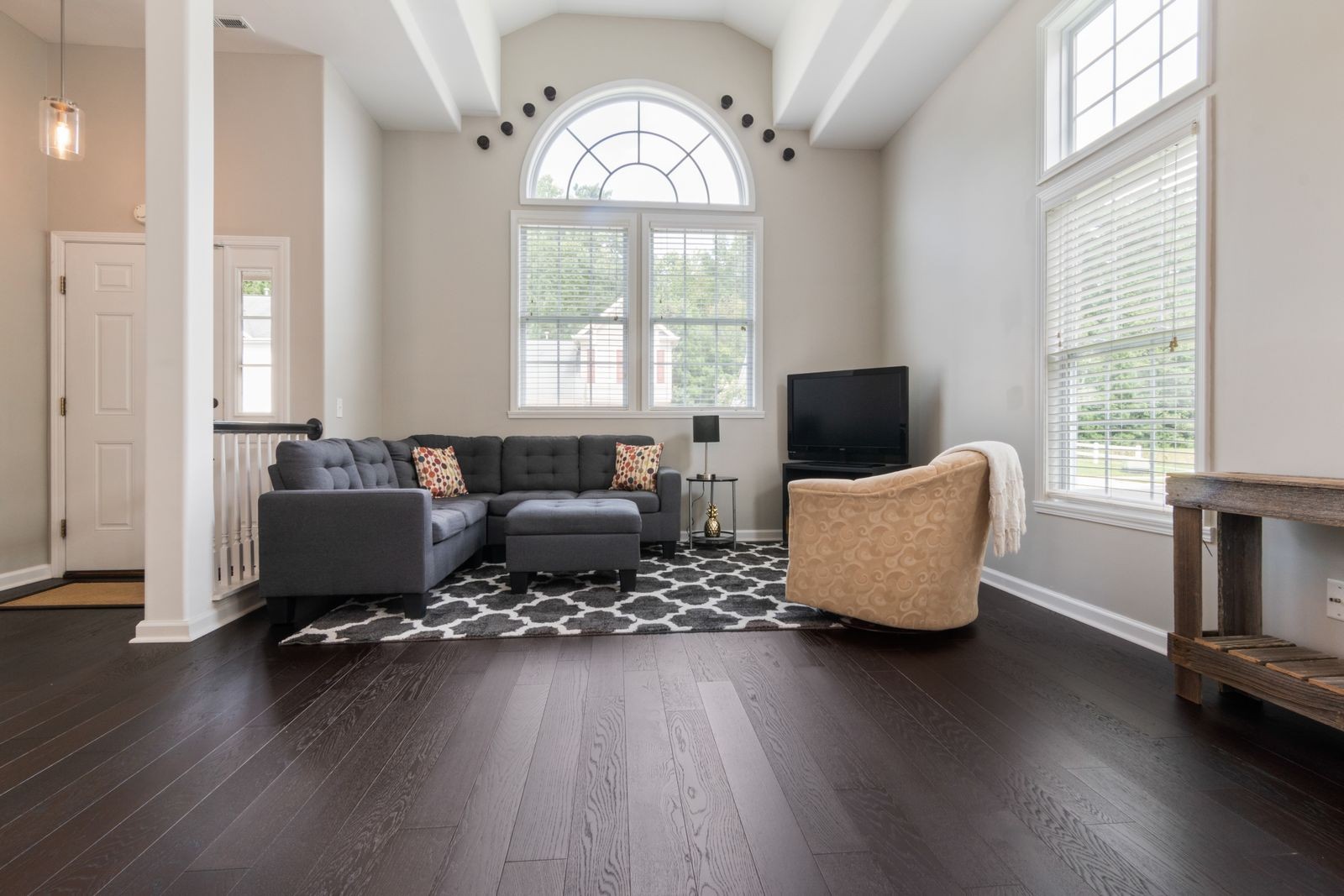
South Florida’s combination of high ambient humidity, near-constant air conditioning cycling, and slab-on-grade foundations creates a specific set of stresses that flooring materials either handle well or don’t. Solid hardwood is the material most exposed to this: it expands and contracts with seasonal humidity swings, and on a concrete slab, upward moisture vapor migration can cause cupping, gapping, or buckling even with careful acclimation — which is why solid hardwood is rarely installed directly over slab in this region. Engineered hardwood, tile, and vinyl-based products are more dimensionally stable because they’re built in layers or fired at high heat, which is a large part of why they dominate South Florida flooring choices. A correctly installed vapor barrier or moisture-mitigation system between the slab and a wood-look or wood product isn’t optional here — it’s the difference between a floor that lasts and one that needs to be torn out in a few years.
Questions about your specific project? Ask a licensed GC. Call 754-236-0675 | Get A Free Estimate
What's actually in South Florida homes.
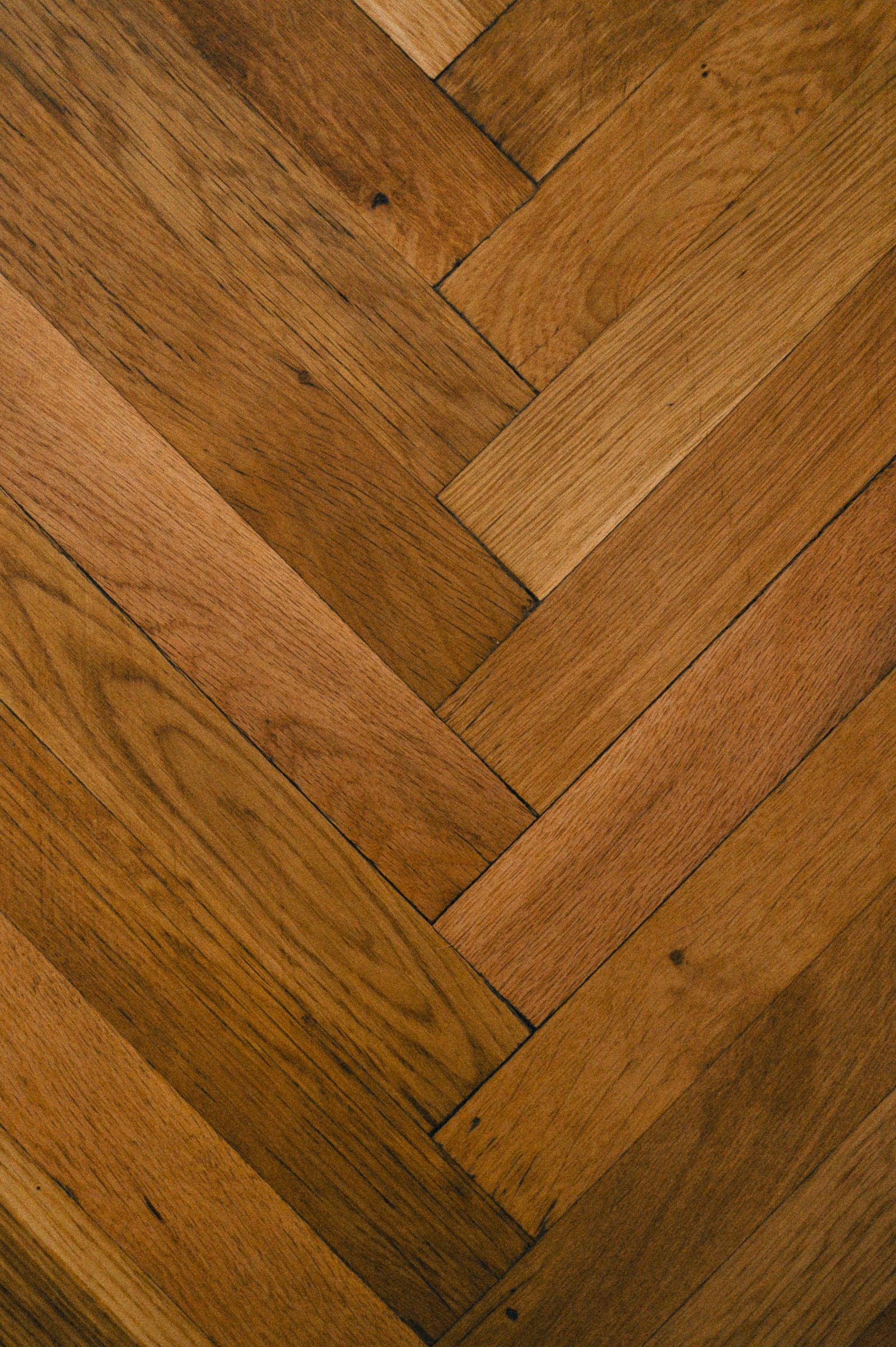
Walk through most Miami-Dade or Broward homes built in the last twenty years and you’ll find porcelain tile in the majority of them, often in large-format planks or slabs that mimic wood, marble, or concrete. Porcelain is dense, low-porosity, and essentially waterproof once installed and grouted properly, which makes it forgiving of humidity, pool splash-out, and the sand and moisture that comes in with South Florida living. Luxury vinyl plank (LVP) has become the other dominant choice, particularly for bedrooms and living spaces where homeowners want a warmer, wood-look surface without wood’s moisture sensitivity. In older homes, especially those built from the 1930s through the 1970s, you’ll also find original terrazzo, which was standard in this climate long before tile or vinyl existed and can often be restored rather than replaced.
Questions about your specific project? Ask a licensed GC. Call 754-236-0675 | Get A Free Estimate
Whole-home vs. room-by-room.
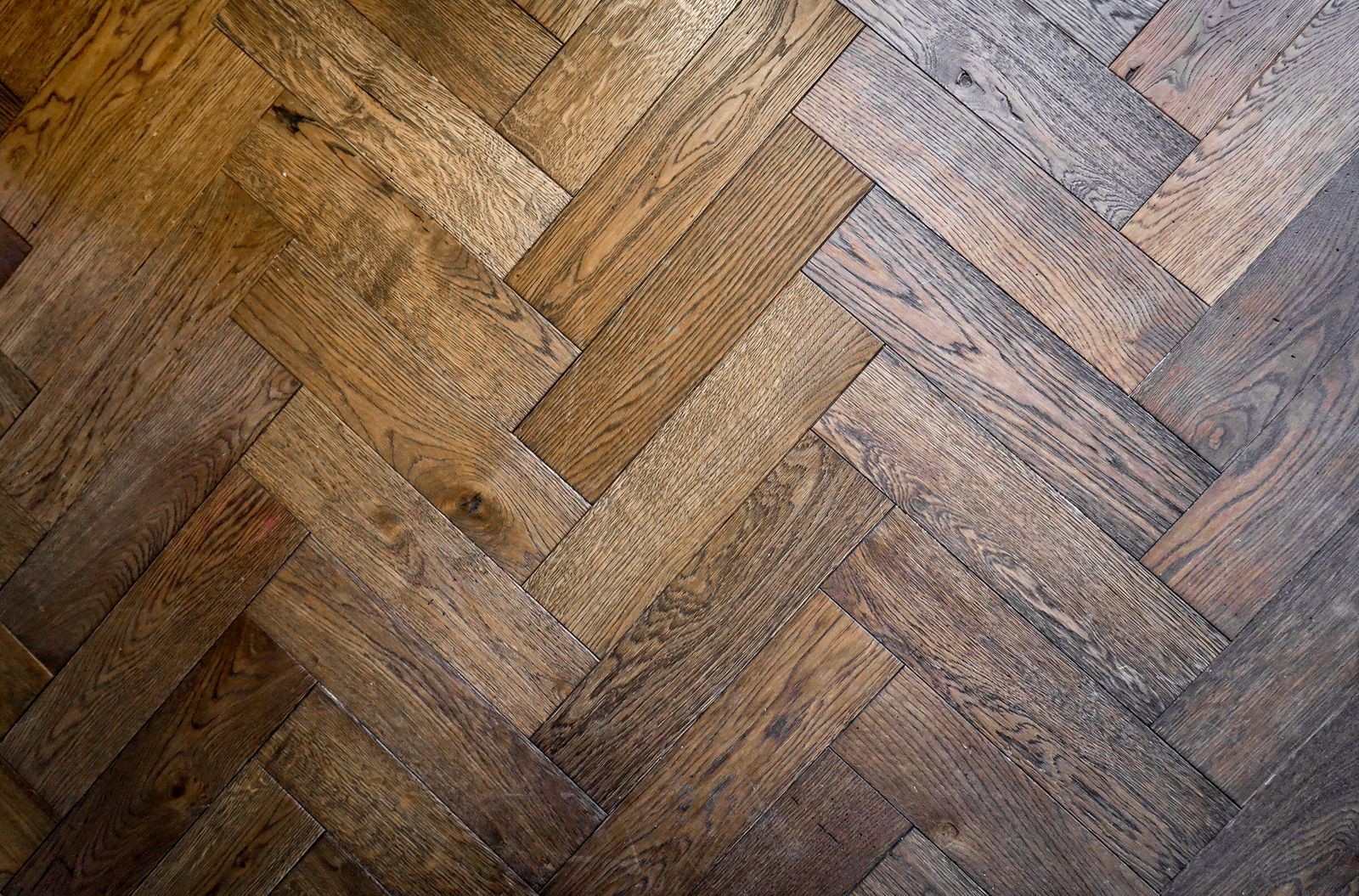
Some flooring projects are whole-home replacements — often triggered by a renovation, water damage, or a homeowner finally replacing builder-grade carpet or dated tile throughout. Others are room-by-room: a kitchen and adjoining living area, a primary bedroom, a lanai or Florida room being converted to full living space. The two get planned differently. Whole-home projects let us standardize on one or two materials and transition strategically at doorways, which tends to be more cost-efficient per square foot and gives the home a more cohesive look. Room-by-room work requires more attention to transition details — thresholds, height differences between old and new materials, and matching or intentionally contrasting with adjacent existing flooring that isn’t being touched.
Questions about your specific project? Ask a licensed GC. Call 754-236-0675 | Get A Free Estimate
How Elbaz approaches it.
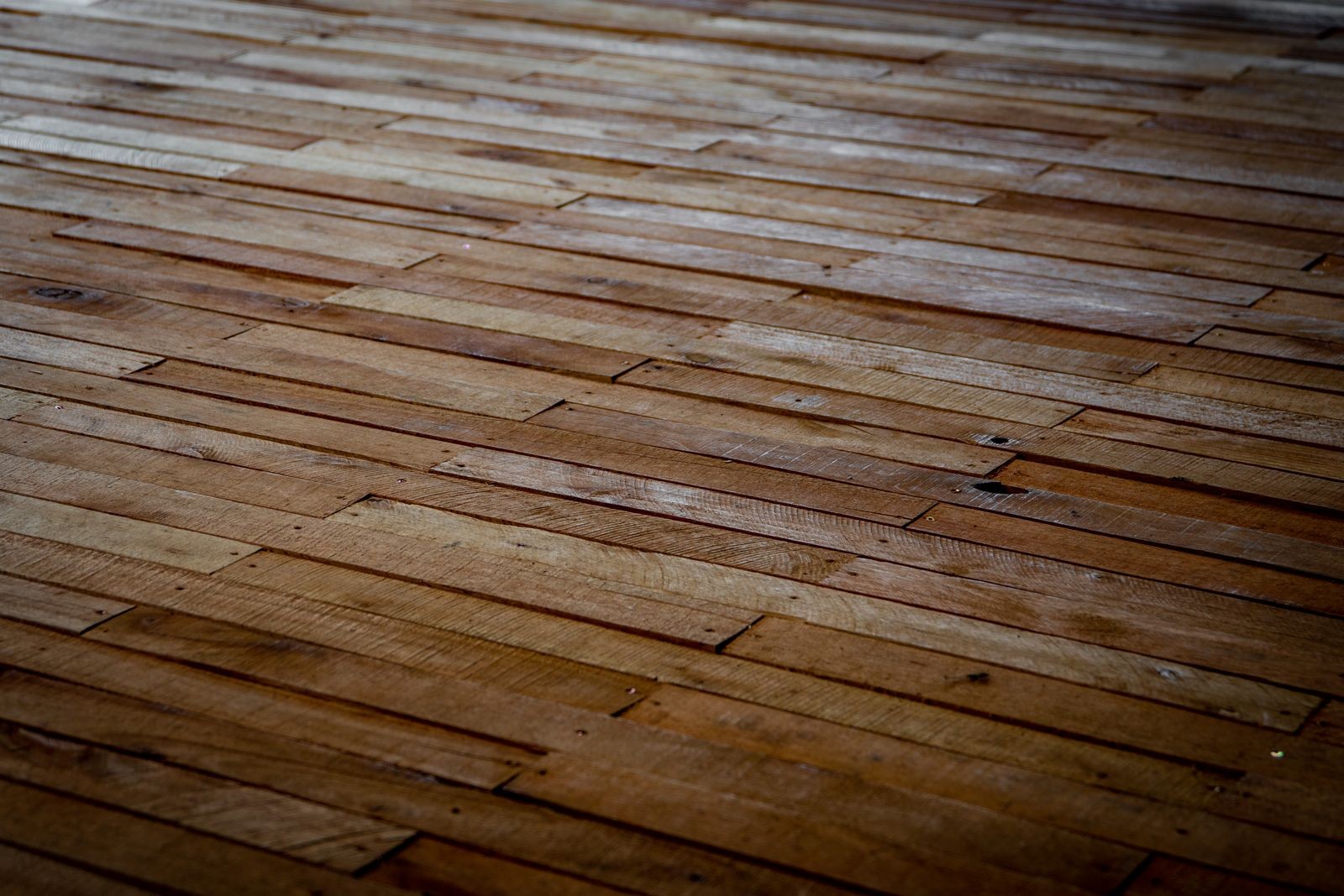
Our process starts with an honest look at what’s actually under the existing floor, not just what’s on top of it. We assess subfloor or slab condition, check for moisture issues, and talk through how each room actually gets used — a kids’ bathroom and a formal dining room have very different flooring needs even in the same house. From there we help narrow material choices based on budget, traffic, and moisture exposure, handle removal of the old flooring, and do whatever subfloor prep the substrate actually needs — leveling, crack repair, moisture barrier installation — before a single plank or tile goes down. Skipping that prep step is the single most common reason flooring fails early in this climate, and it’s the step we won’t shortcut.
Questions about your specific project? Ask a licensed GC. Call 754-236-0675 | Get A Free Estimate
Materials
01. Option 1
*Terrazzo (Restoration or New Installation).** Terrazzo was the standard flooring in South Florida homes built from the 1930s through the 1970s, and a huge amount of it still exists — often intact — under carpet or newer flooring in older Miami-Dade and Broward homes. Where original terrazzo is present and in reasonable condition, restoring it through grinding, polishing, and resealing is usually far more cost-effective than demolition and replacement, and it holds up exceptionally well in this climate since it’s essentially a poured stone-and-cement composite. It’s a specialty most flooring contractors don’t offer at all — new terrazzo and terrazzo-look tile are also seeing a real design resurgence among homeowners who want that mid-century Miami character back.
02. Option 2
*Porcelain & Ceramic Tile.** Porcelain tile is fired at a higher temperature and pressed denser than standard ceramic, giving it very low porosity and strong resistance to moisture, staining, and wear. It’s the most common flooring material in South Florida homes for exactly that reason — it holds up to humidity, pool traffic, and hard cleaning without degrading, and large-format planks and slabs now convincingly mimic wood, marble, and concrete. It’s an excellent fit for kitchens, bathrooms, entryways, and whole-home installations where durability matters more than underfoot warmth.
03. Option 3
*Luxury Vinyl Plank (LVP).** Rigid-core LVP (SPC or WPC) is built from layered synthetic materials topped with a printed wear layer, making it fully waterproof at the plank level and highly resistant to the expansion and contraction that affects wood. It installs faster than tile, feels warmer and softer underfoot, and has become the go-to choice for bedrooms, living rooms, and whole-home projects where homeowners want a wood-look floor without wood’s humidity risk. It’s not as heat- or scratch-resistant as tile, but for most living spaces it offers the best balance of looks, comfort, and moisture performance.
04. Option 4
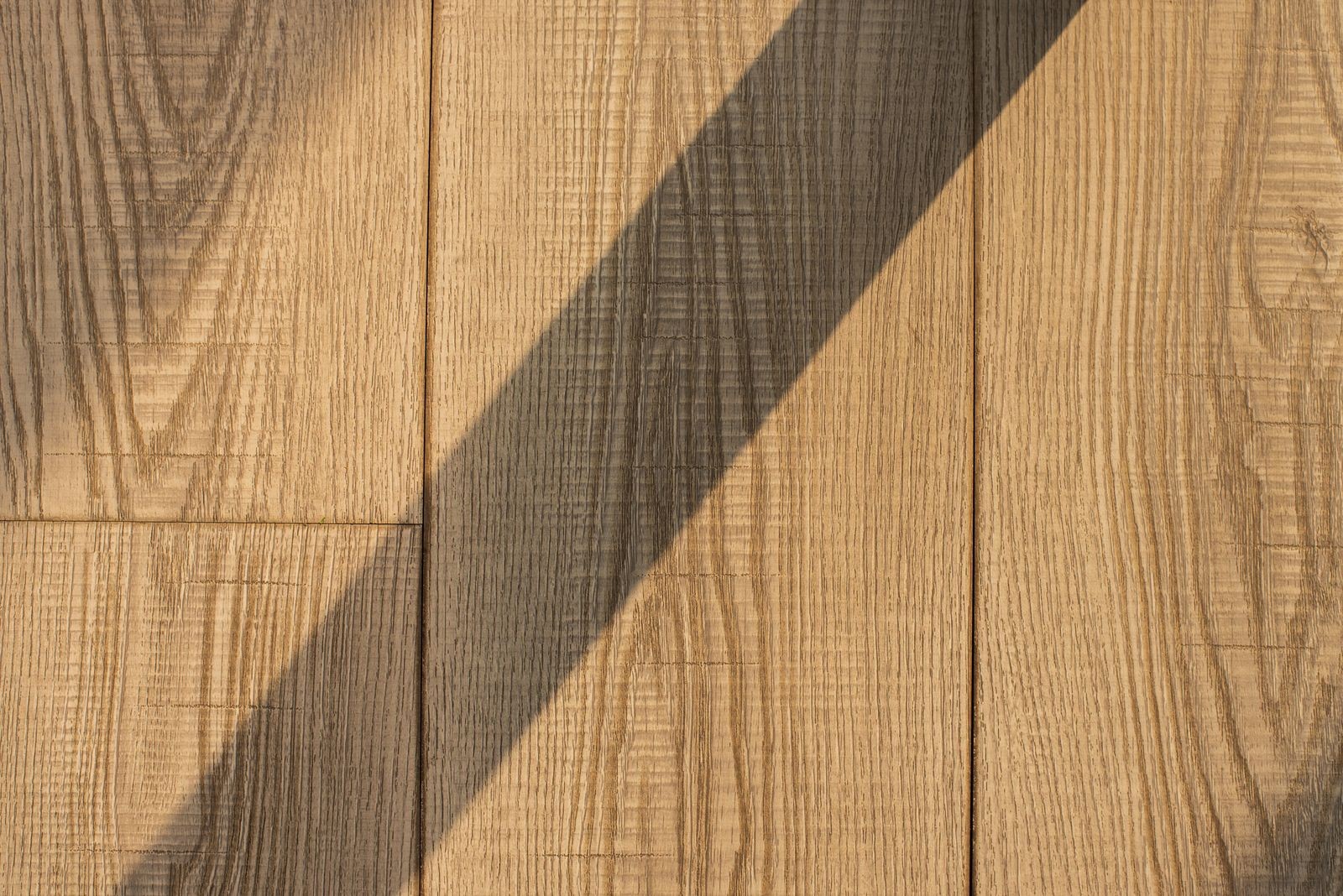
*Engineered Hardwood.** Engineered hardwood pairs a genuine hardwood veneer with a layered plywood or HDF core, and that layered construction is what makes it dimensionally stable enough for Florida — the core resists the swelling and shrinking that causes solid hardwood to cup or gap in a humid climate. It still needs a controlled indoor environment and, over slab, a proper vapor barrier, but it’s the realistic way to get a genuine wood floor in this region. It suits above-grade living areas, primary bedrooms, and formal spaces where the look of real wood is a priority.
05. Option 5
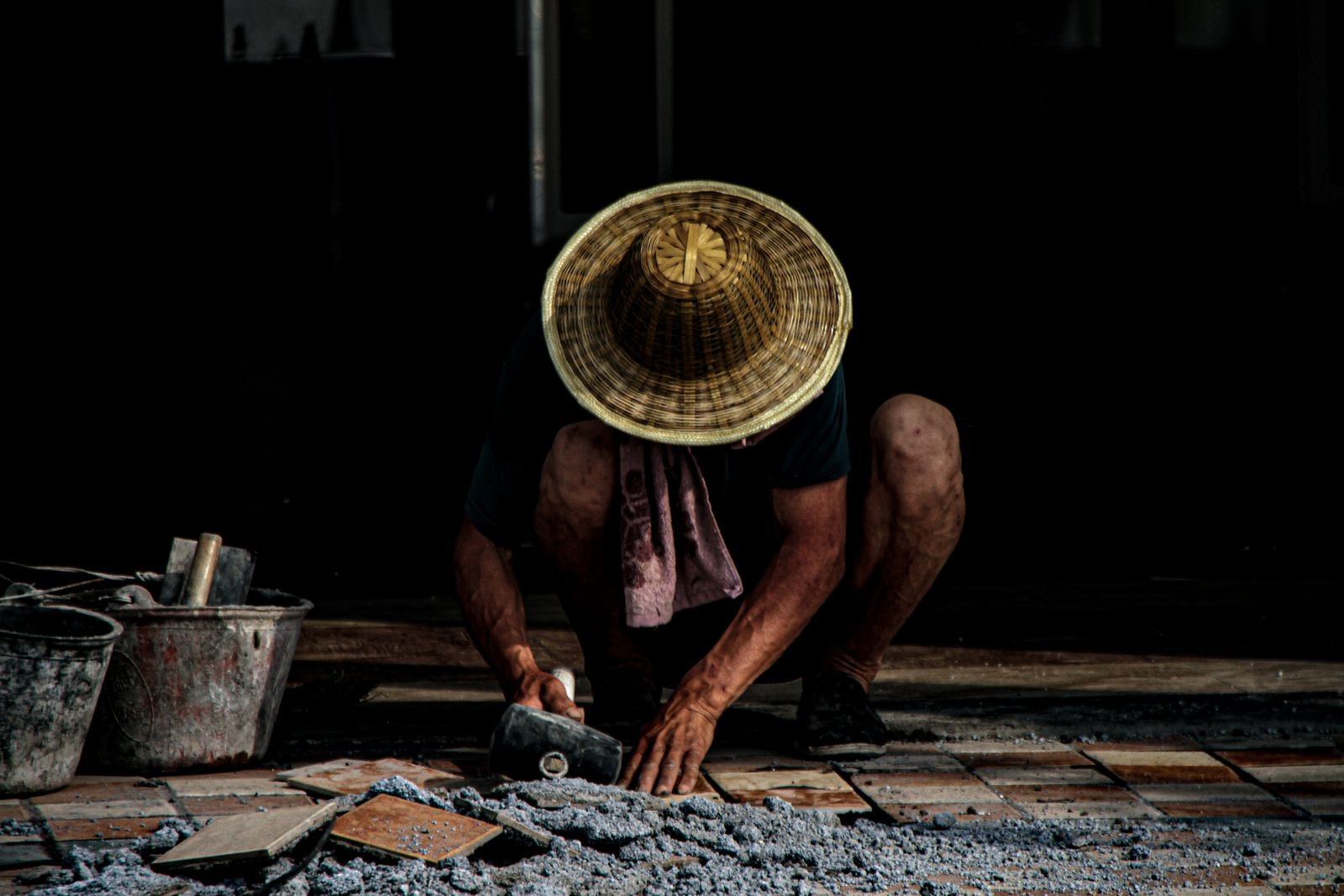
*Natural Stone (Travertine, Marble, Limestone).** Natural stone brings a cool, substantial, high-end look that suits Florida’s indoor-outdoor design language, and stone floors stay noticeably cooler underfoot than tile or wood in a hot climate. Travertine handles moisture reasonably well once properly sealed and is more forgiving than marble, which is porous, prone to etching and staining, and needs more consistent maintenance. Stone is best suited to entryways, lanais, and statement living spaces rather than kids’ bathrooms or high-spill areas, given the sealing and upkeep it demands.
Not sure which option fits your home? We’ll walk the trade-offs on-site. Call 754-236-0675 | Get A Free Estimate
What Drives The Cost
- Material choice — This is the widest swing in overall project cost. Vinyl plank sits at the lower-to-mid end of the range, porcelain tile runs meaningfully higher once labor and grout work are factored in, and natural stone or custom terrazzo work sits at the top.
- Square footage — Larger, continuous areas are typically more cost-efficient per square foot to install than several small, chopped-up rooms, since setup, cutting, and transition work don’t scale down proportionally.
- Subfloor or slab condition — Cracks, unevenness, or moisture readings outside acceptable range mean prep work before any material goes down. This is often the biggest unknown in a project until the existing floor is opened up.
- Removal of existing flooring — Demoing old tile, especially with a thick mortar bed, is far more labor-intensive than pulling up carpet or click-lock vinyl, and disposal of the debris adds to the total as well.
- Pattern and installation complexity — Herringbone, diagonal layouts, large-format tile, and intricate transitions between rooms all take more time and more skilled labor than a straightforward run of planks in one direction.
- Waterproofing and moisture mitigation — A vapor barrier under wood-look flooring over slab, or a waterproofing membrane in a bathroom, adds real cost up front — but it’s a fraction of the cost of replacing a floor that fails from moisture a few years later.
Get a real, itemized estimate — no surprise change orders. Call 754-236-0675 | Get A Free Estimate
Our Process
01. On-Site Assessment & Measurement
02. Material Selection & Planning
03. Removal of Existing Flooring
04. Subfloor & Slab Preparation
05. Installation & Finish Detailing
We inspect the existing flooring, subfloor or slab, and moisture conditions, then take precise measurements of every room involved so material estimates and layout plans are accurate from the start.
We walk you through flooring options suited to the room’s traffic, moisture exposure, and your budget, including samples on-site, and finalize layout details like plank direction, tile pattern, and transitions.
Old carpet, tile, wood, or vinyl is removed and hauled off, including demolition of mortar beds or adhesive residue where needed to get down to a clean, workable surface.
We repair cracks, level low spots, and install any required moisture barrier or underlayment — the step most responsible for how long a new floor actually lasts in Florida’s climate.
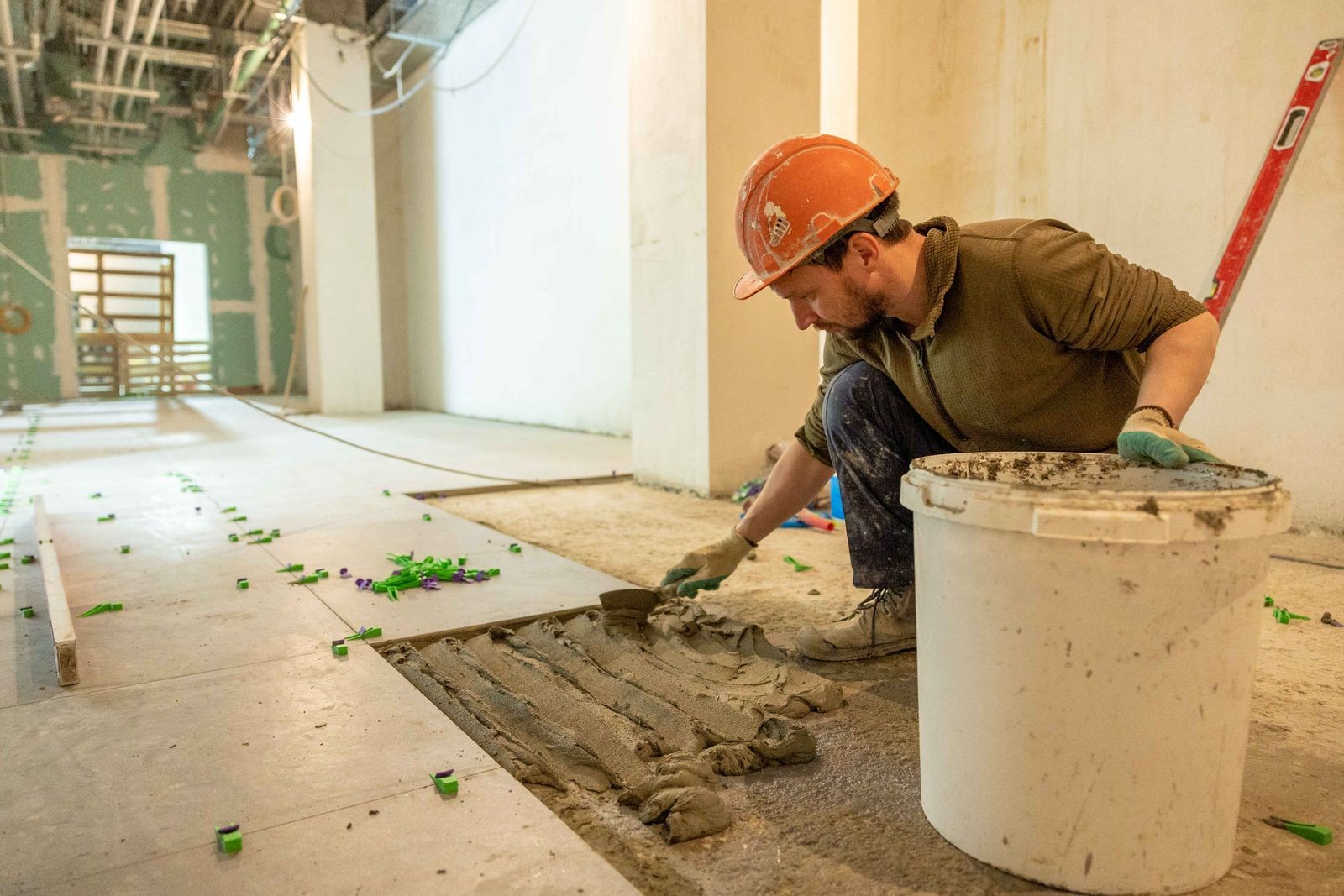
Flooring is installed to manufacturer specification, followed by trim, transitions, grout or seam finishing, and a final walkthrough so the finished floor is ready to live on immediately.
One point of contact, start to finish — us. Call 754-236-0675 | Get A Free Estimate
Recent Flooring Work
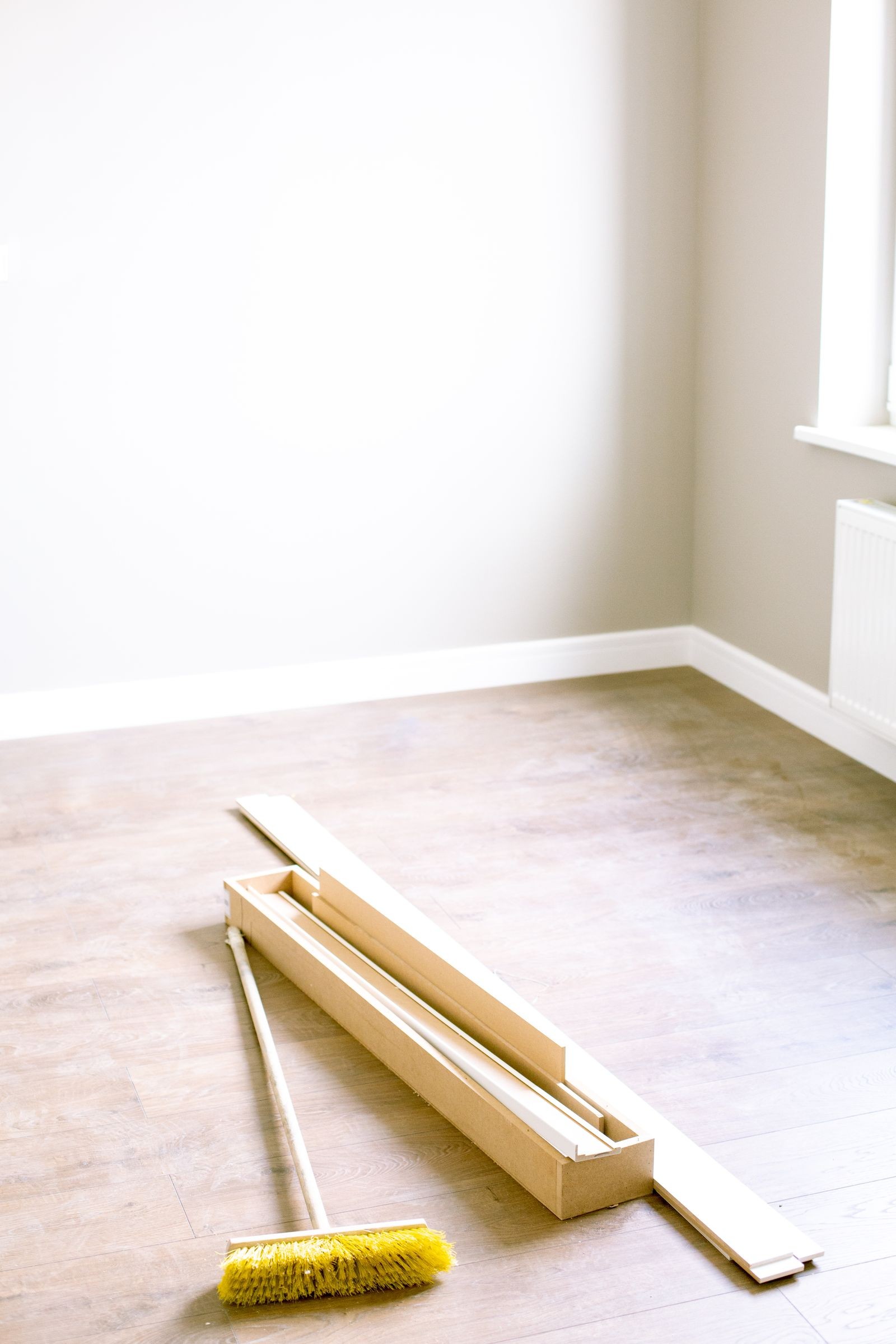
See something close to your project? Let’s talk specifics. Call 754-236-0675 | Get A Free Estimate
Flooring Questions, Answered
1 How much does it actually cost to redo flooring in a house like mine?
Cost mostly comes down to material, square footage, and what condition your subfloor or slab is in. As a rough starting point, luxury vinyl plank installed typically runs in the mid-single digits per square foot, porcelain tile runs meaningfully higher once labor and grout work are factored in, and either number climbs if we find cracks, moisture issues, or old adhesive that needs to be dealt with first. The only way to get a number you can actually budget around is a walkthrough, because two houses with the same square footage can have very different subfloor conditions.
2 What's the best flooring for Florida humidity?
Porcelain tile and rigid-core luxury vinyl plank (SPC/WPC) are the two most humidity-tolerant options, because both are dimensionally stable and largely unaffected by moisture in the air or coming up through a slab. Engineered hardwood is the best wood-look option if you want a genuine wood surface, since its layered core resists the expansion and contraction that causes solid hardwood to cup or gap here.
3 Is tile, luxury vinyl plank, or hardwood actually better for a humid climate — what are the real tradeoffs?
Tile is the most moisture-proof and long-lasting but is hard, cold underfoot, and the most labor- and time-intensive to install. LVP is more comfortable to walk on, more forgiving during installation, and fully waterproof in most rigid-core versions, but it doesn't have the same resale prestige or heat resistance as tile and can dent under heavy furniture. Solid hardwood offers a look nothing else fully replicates but is genuinely risky over a Florida slab without tight climate control; engineered hardwood splits the difference, giving you real wood on top with a stable core underneath.
4 How long does a flooring installation actually take?
For LVP, a couple of average-sized rooms can often be done in a day or two once the subfloor is ready. Tile takes noticeably longer because the mortar and grout both need real cure time — a mid-size project often runs four to six days from demo to finished grout. Whole-home projects, or ones that uncover subfloor issues, naturally run longer, so we give a room-specific timeline once we've seen the space rather than a generic number.
5 Do I need to move out of my house while the floors are being done?
Most homeowners stay in the house, especially for room-by-room projects — we section off the work area and manage dust and airflow so the rest of the home stays livable. Whole-home tear-outs, especially ones involving glue-down materials or extensive tile demo, are more disruptive day-to-day, and some homeowners choose to stay elsewhere for the noisiest, dustiest phase. We'll tell you honestly which category your project falls into before work starts.
6 Can you put new flooring directly over a concrete slab?
Yes — most South Florida homes are slab-on-grade, and that's exactly the standard construction condition we plan for. What matters is what goes between the slab and the finished floor: tile can typically go down with proper surface prep, while wood-look or wood products need a vapor barrier or moisture-mitigation system to block vapor migrating up through the concrete, which is a normal, constant occurrence in this climate, not a defect.
7 Are there flooring options that are actually waterproof, not just water-resistant?
Porcelain tile, once installed and grouted, is essentially waterproof. Rigid-core luxury vinyl plank (SPC and most WPC products) is also genuinely waterproof at the plank level, meaning standing water won't damage the material itself, though water can still find its way underneath at seams or edges if it sits long enough. No flooring is a substitute for fixing an active leak — waterproof flooring protects the surface, not the structure underneath it.
8 How do I choose flooring for a kitchen or bathroom versus a bedroom or living room?
Kitchens and bathrooms need materials that handle standing water, spills, and frequent cleaning without degrading — porcelain tile and waterproof LVP are the safe choices, and we'd steer you away from solid hardwood or moisture-sensitive laminate in those rooms. Bedrooms and living areas have more flexibility since they see less direct water exposure, so that's often where engineered hardwood or a softer-underfoot LVP makes sense if warmth and comfort matter more than pure water resistance.
9 I have old carpet or tile in a home built before 1970 — could there actually be terrazzo underneath?
Genuinely possible, and it's more common than most homeowners assume. Terrazzo was the standard flooring across South Florida from the 1930s through the 1970s, and a lot of it was simply covered over — with carpet, vinyl, or a later tile job — rather than removed. A small test area is usually enough to tell, and if it's down there and in reasonable shape, restoring it is almost always more cost-effective than the demolition and new-material cost of covering it up again.
10 Should I restore my terrazzo floors or just replace them with something new?
If the terrazzo is original and structurally sound — meaning the slab underneath isn't compromised — restoration through grinding, polishing, and resealing is usually the better move both on cost and on what you end up with, since well-restored terrazzo is durable, distinctive, and holds up naturally well in this climate. Replacement makes more sense when the terrazzo has extensive deep cracking tied to slab movement, not just surface wear, or when a homeowner wants a different look entirely. We assess the actual condition before recommending either direction.
11 Can terrazzo be restored if it's badly stained or cracked, or is it too far gone at that point?
Staining is rarely a dealbreaker — grinding removes the top layer along with most surface staining, and resealing protects it going forward. Cracking depends on the cause: hairline cracks from age are a normal part of a terrazzo restoration and get addressed during the process, but cracks that trace back to real structural movement in the slab need that underlying issue evaluated first, since polishing over a moving crack just brings it back. We'll tell you honestly which situation you're in before quoting a restoration.
Still have questions? Talk to a licensed contractor, not a call center. Call 754-236-0675 | Get A Free Estimate
What South Florida Homeowners Say
Join our verified homeowners. Call 754-236-0675 | Get A Free Estimate
Why Homeowners Choose Elbaz Construction
Licensed General Contractor
Real Regional Expertise
One Point Of Contact
Real Reviews, Real Reputation
Real license. Real permits. Real accountability. Call 754-236-0675 | Get A Free Estimate
From The Blog
More guides at our Resource Center. Call 754-236-0675 | Get A Free Estimate
More From The Field
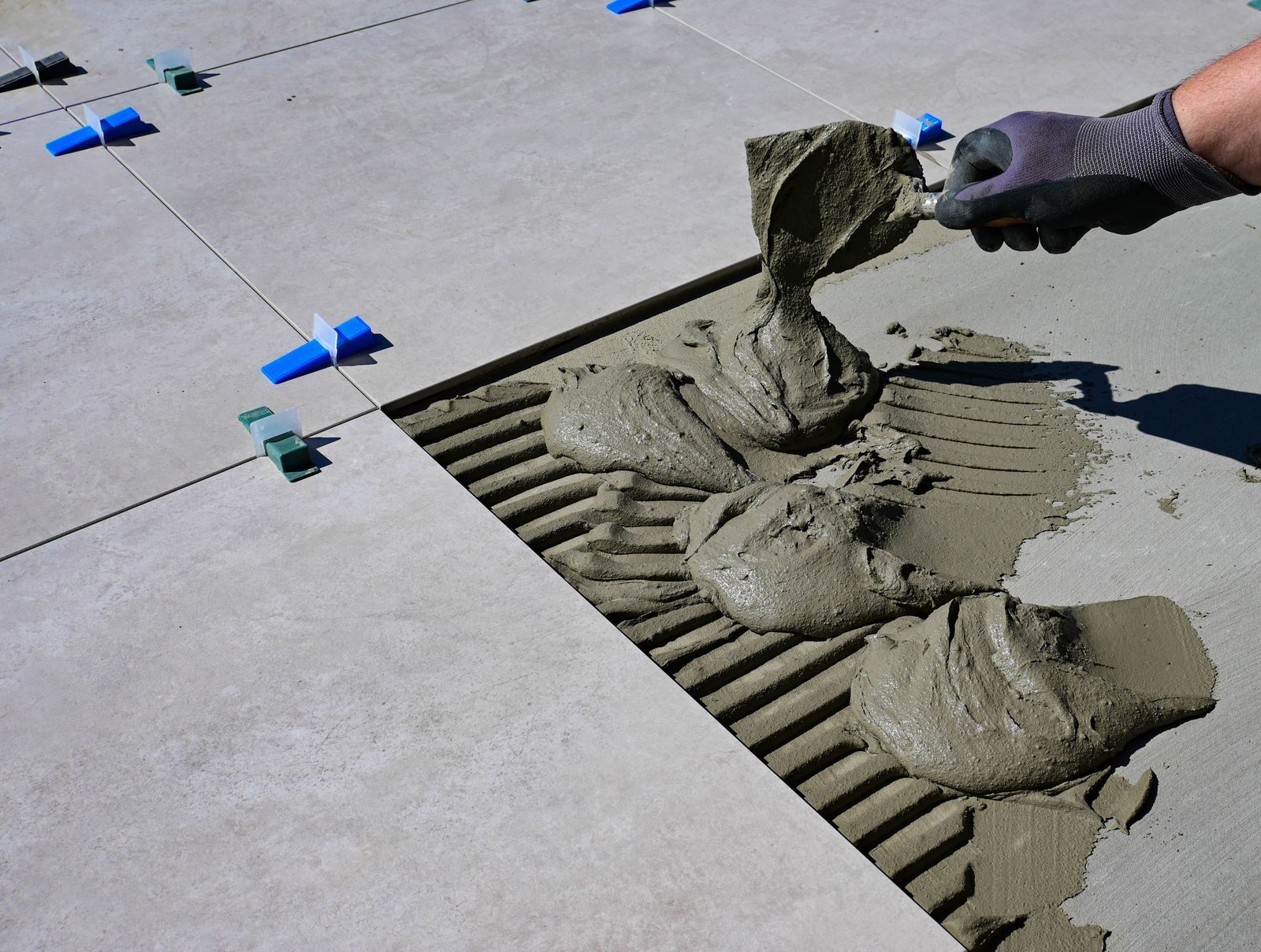
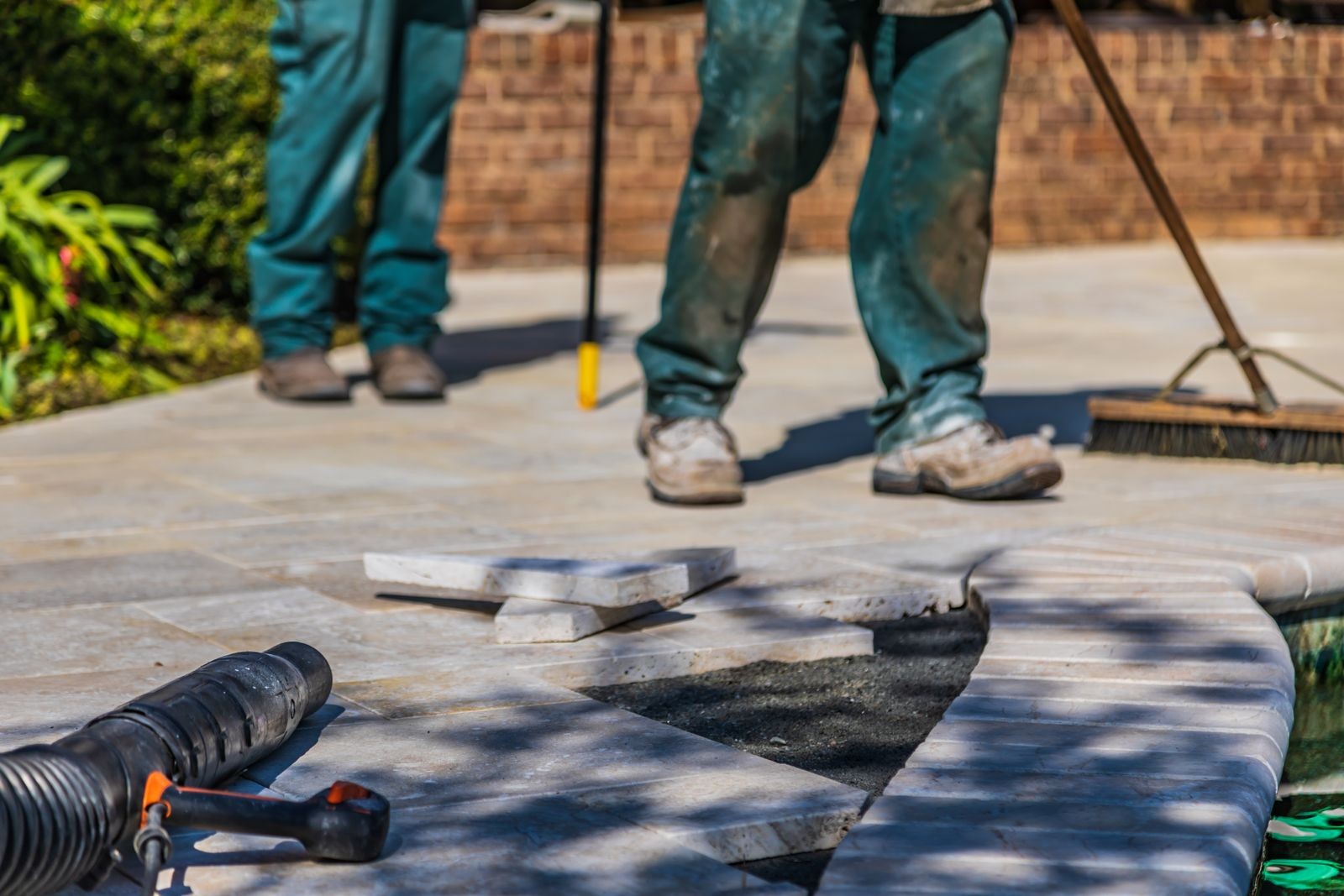
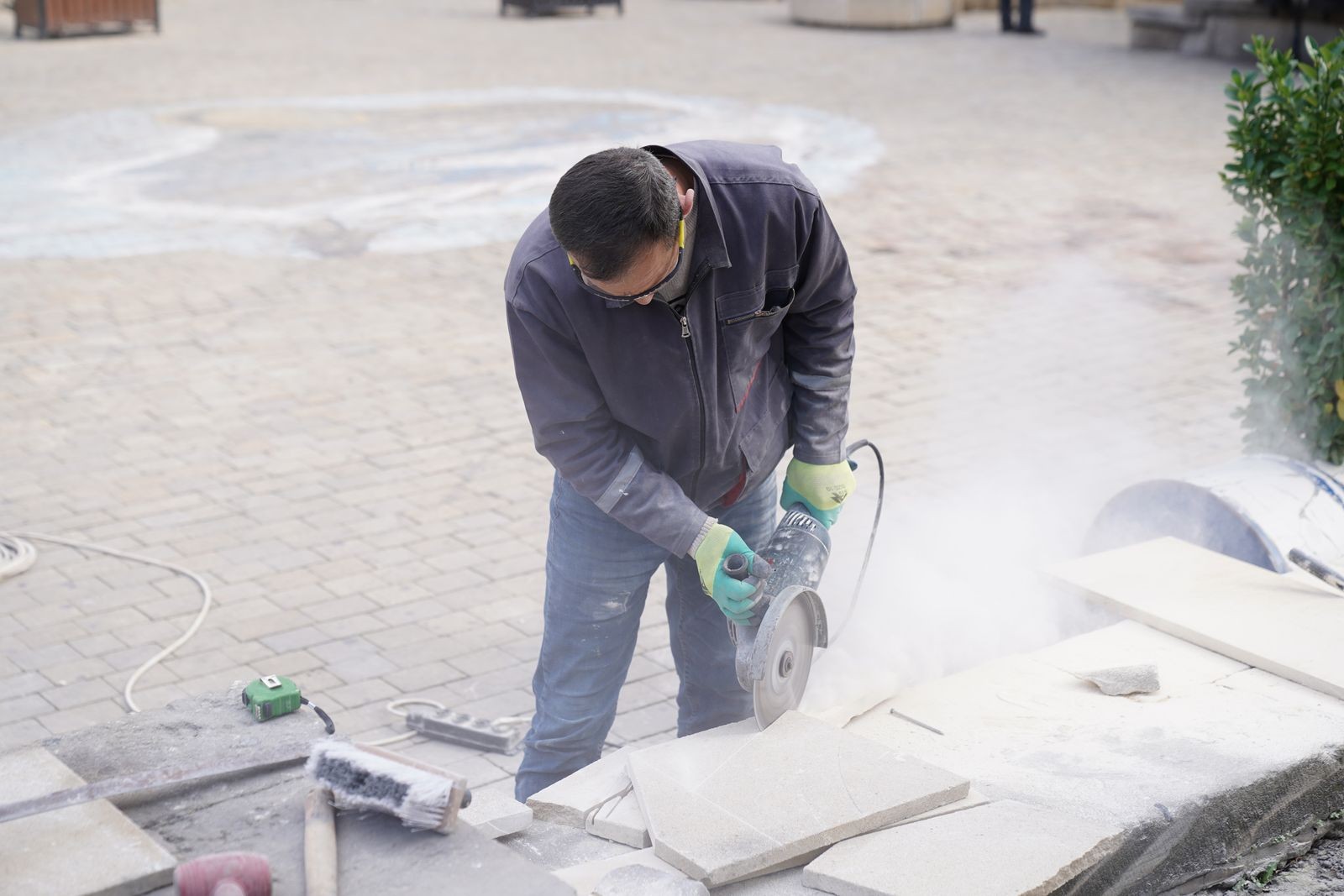
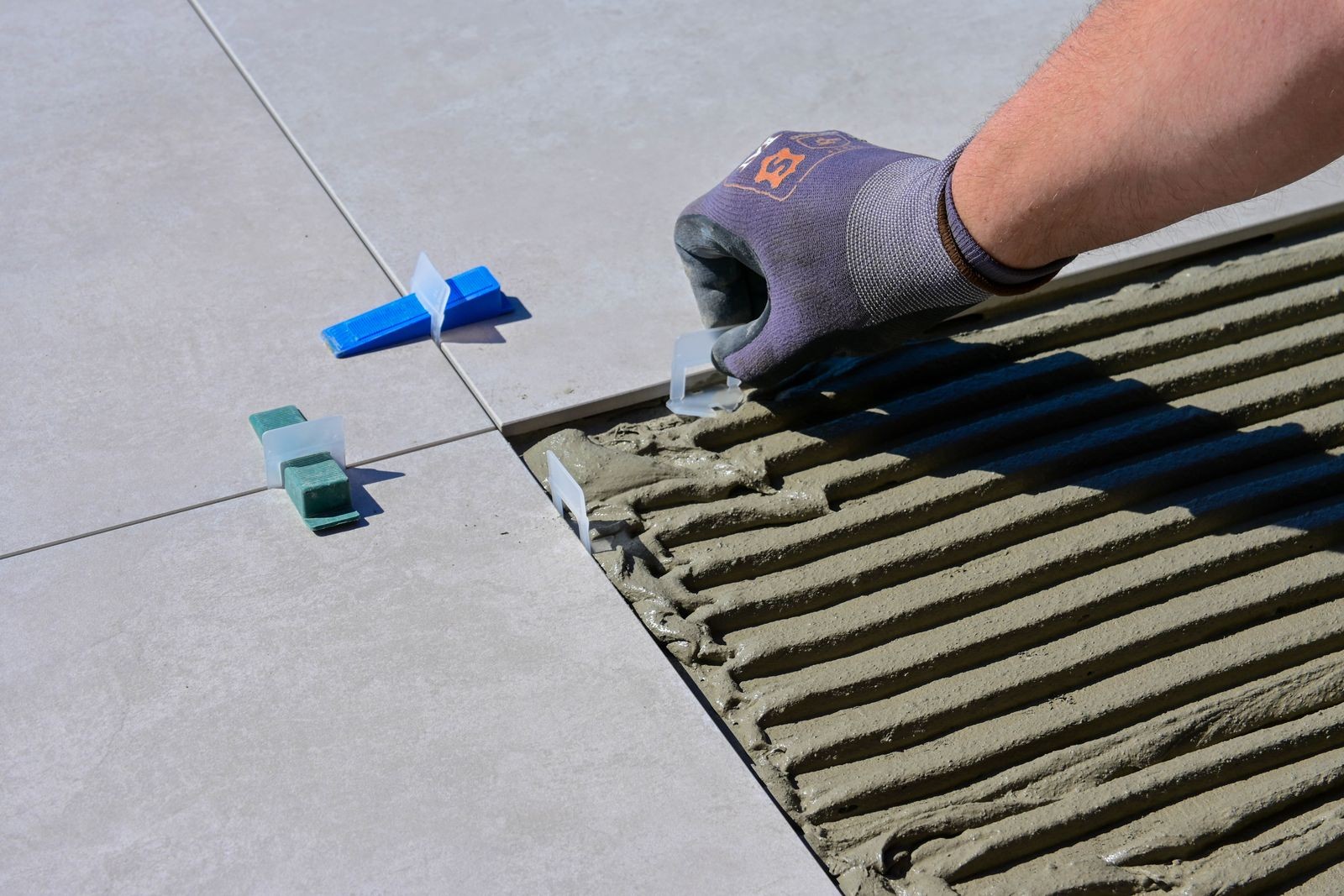
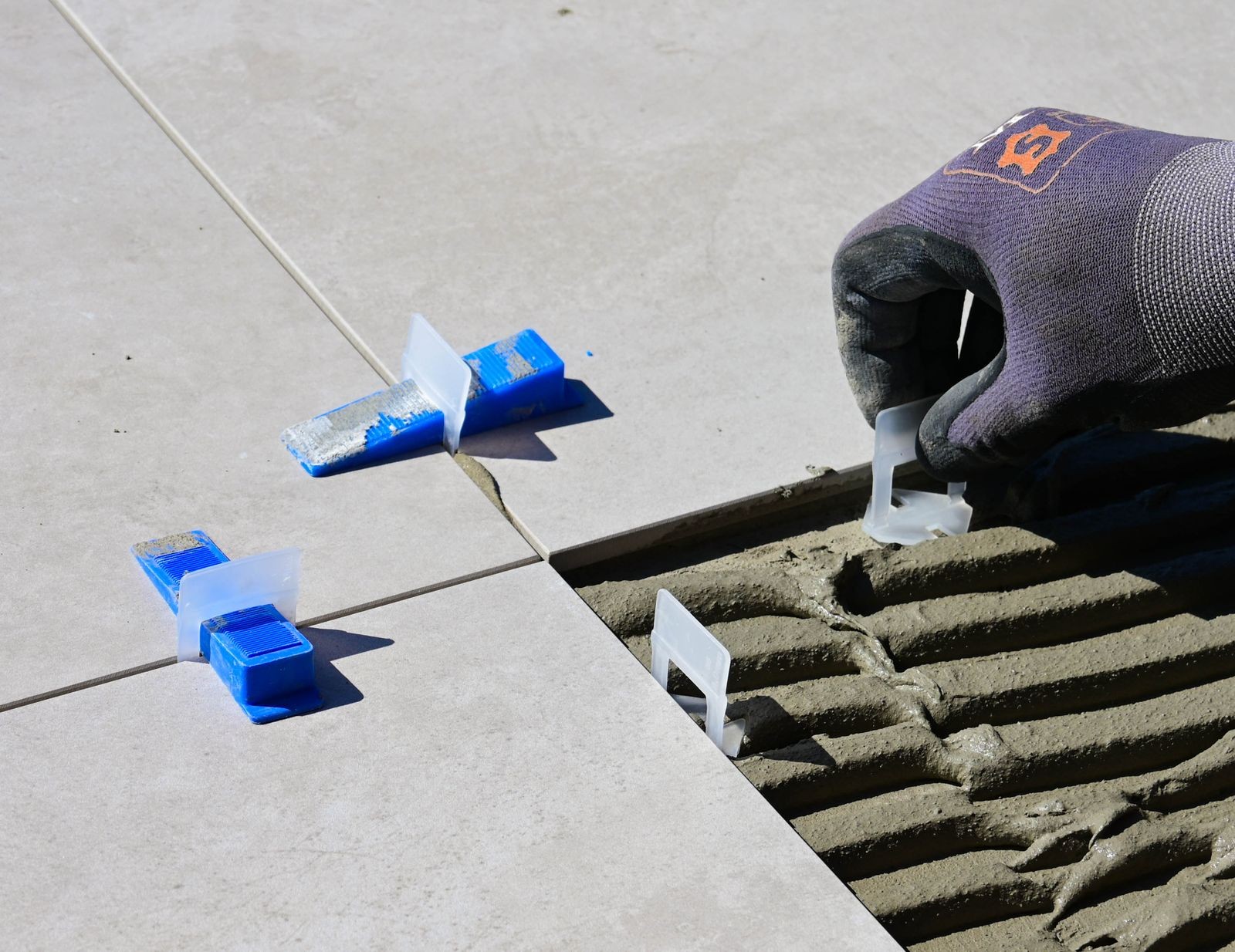
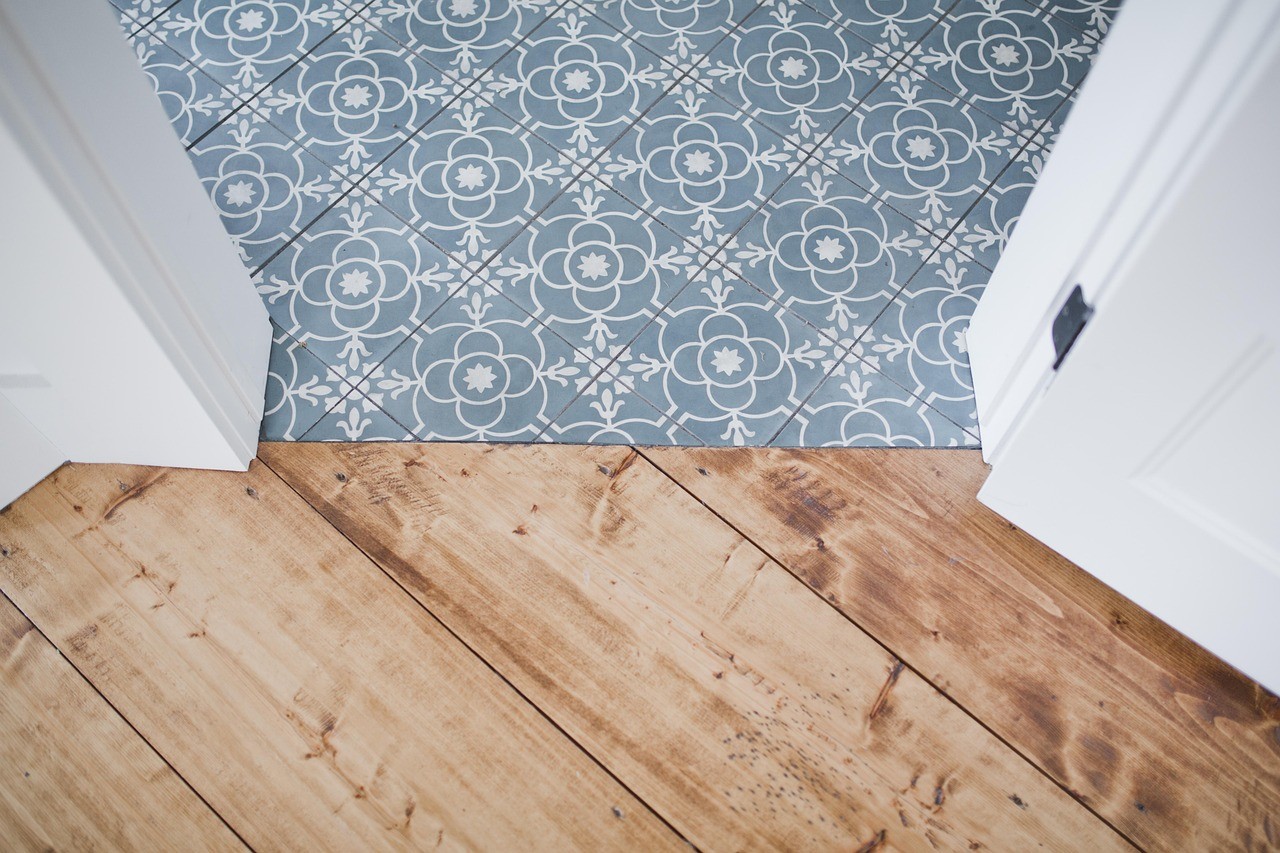
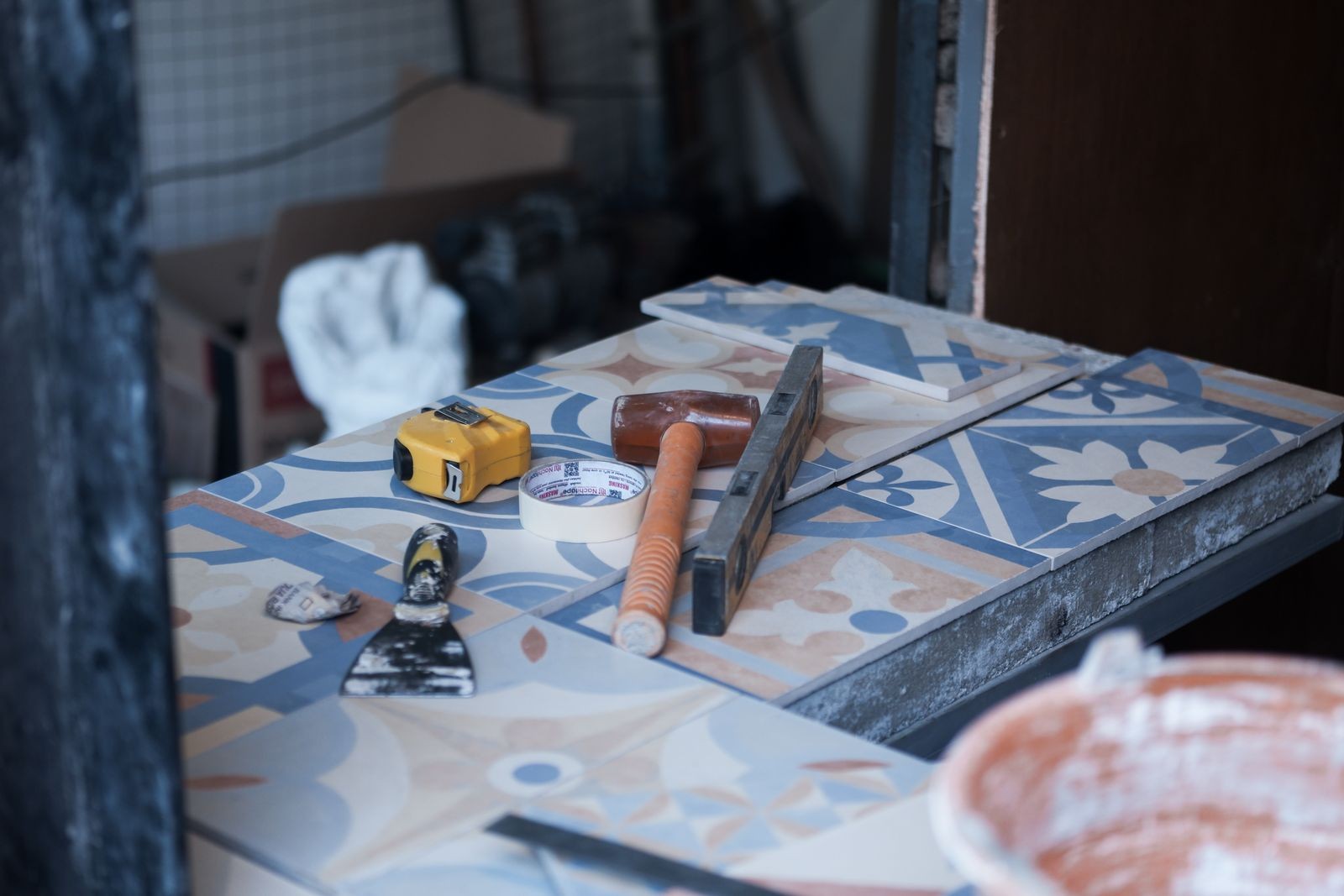
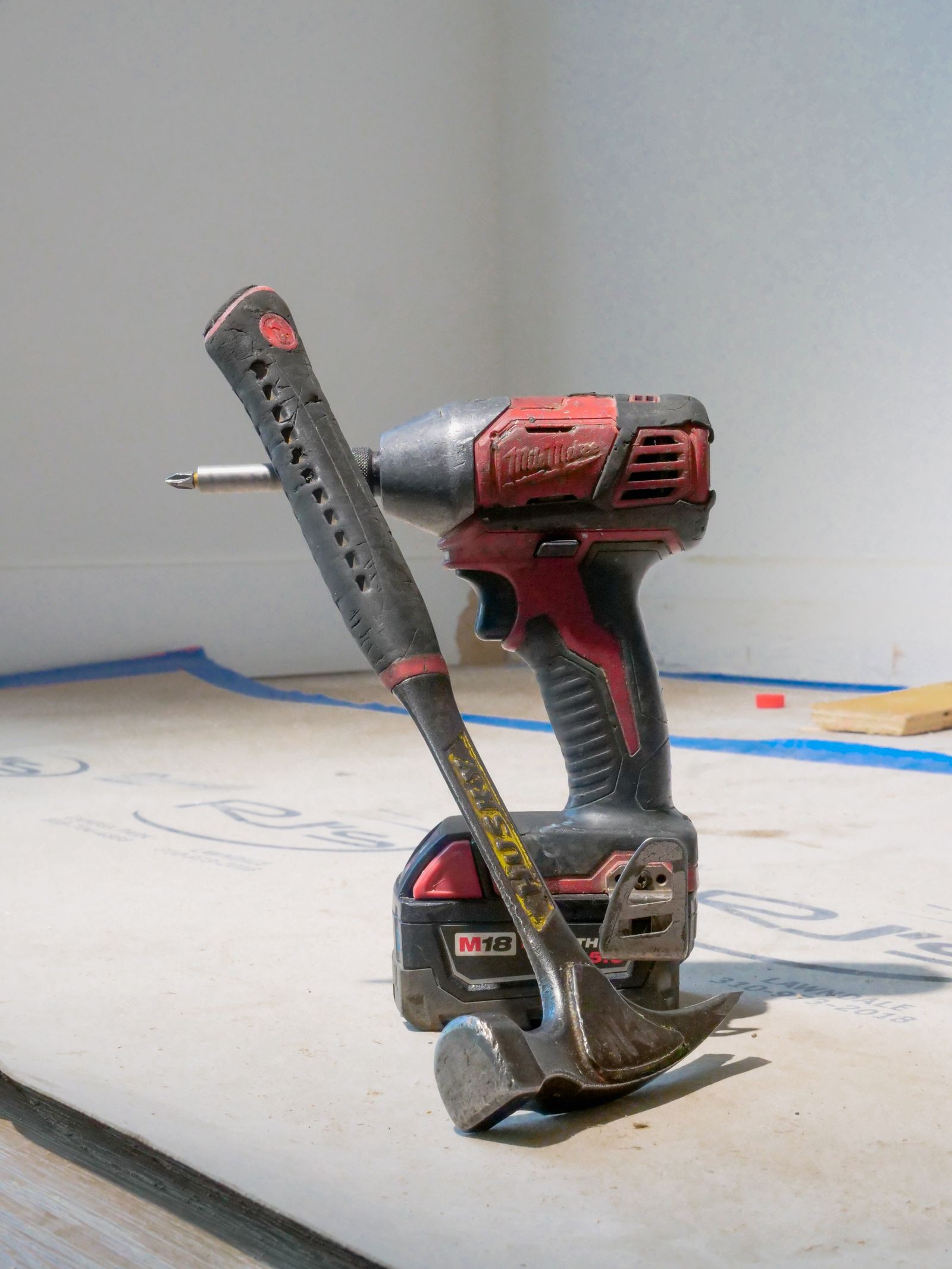
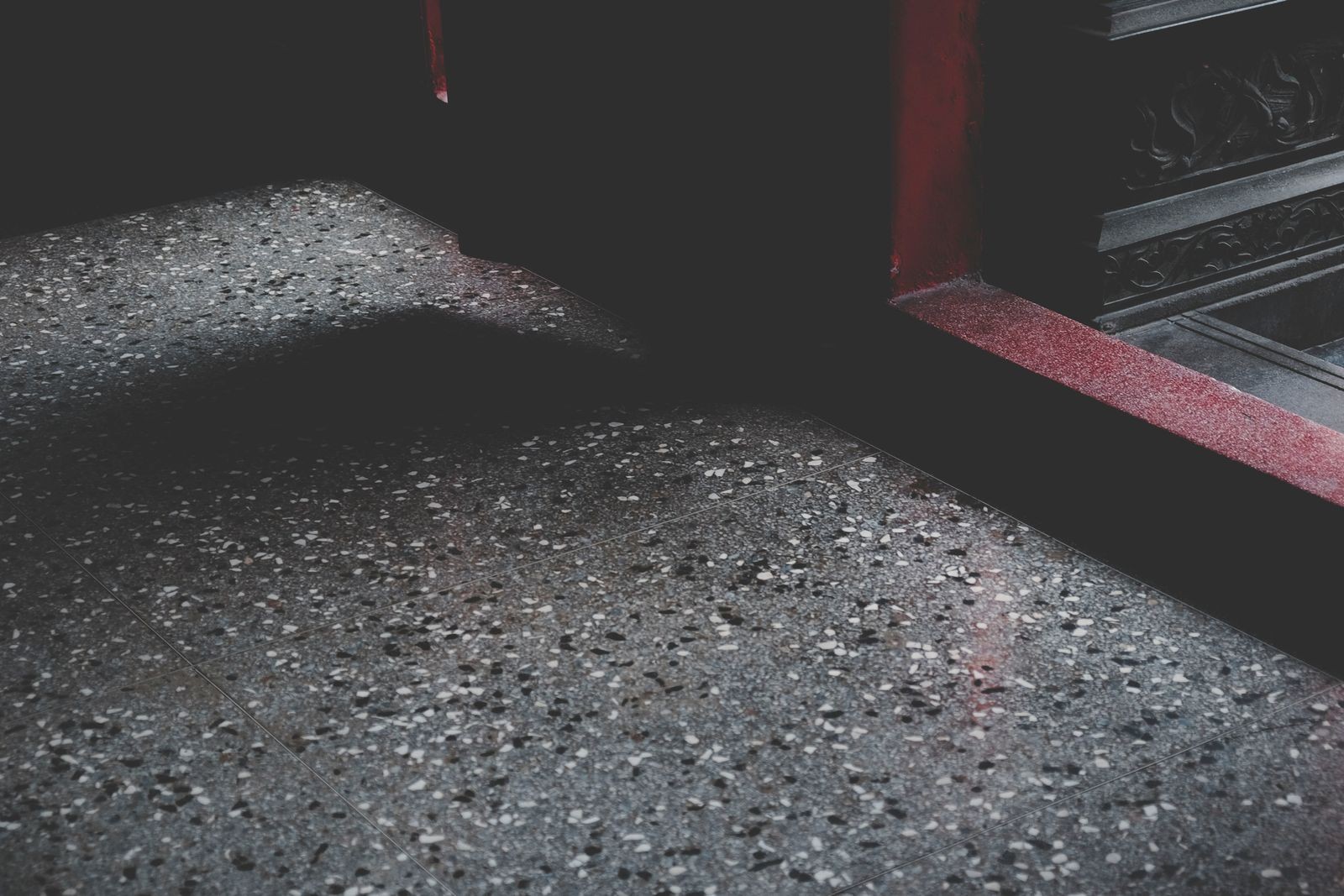
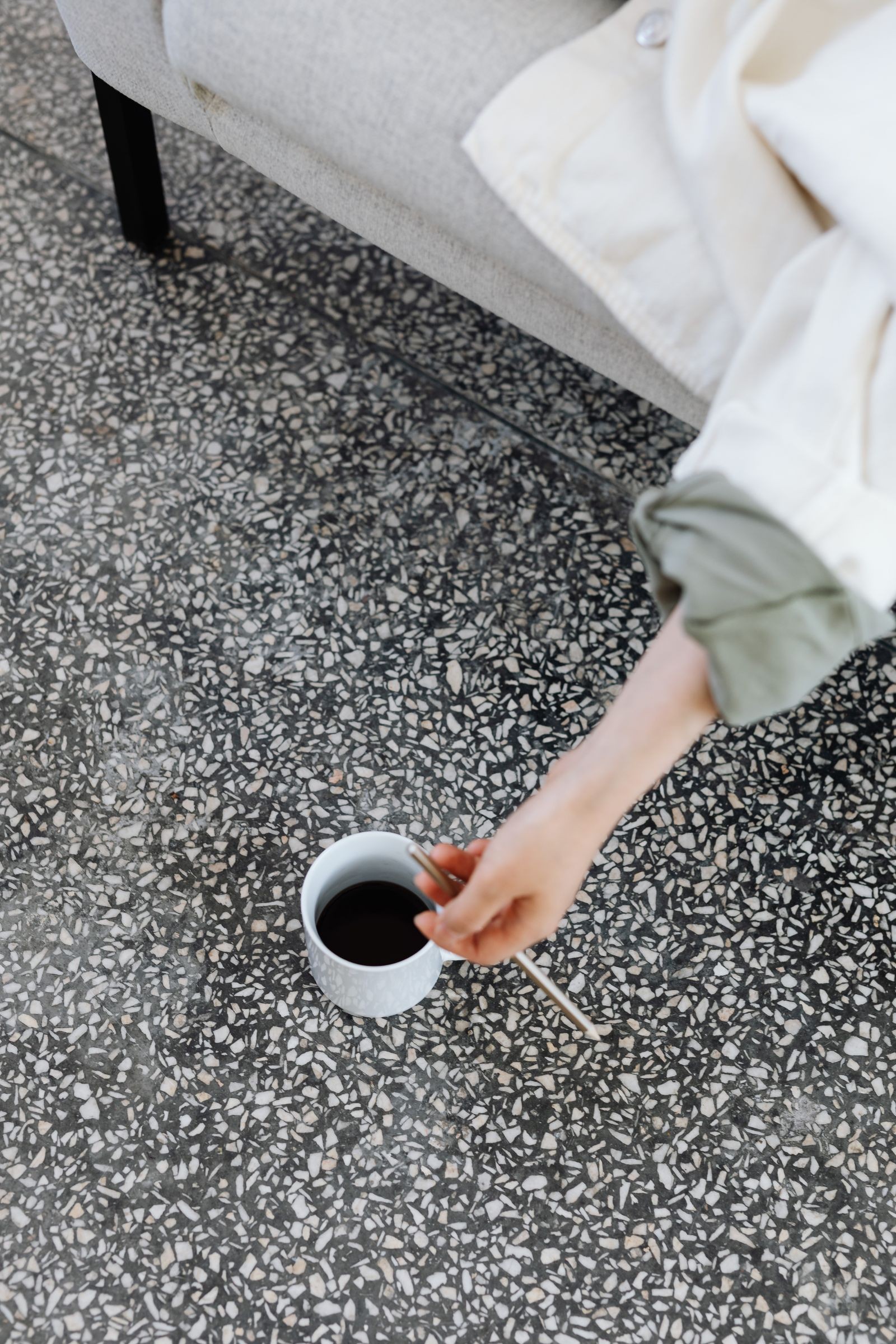
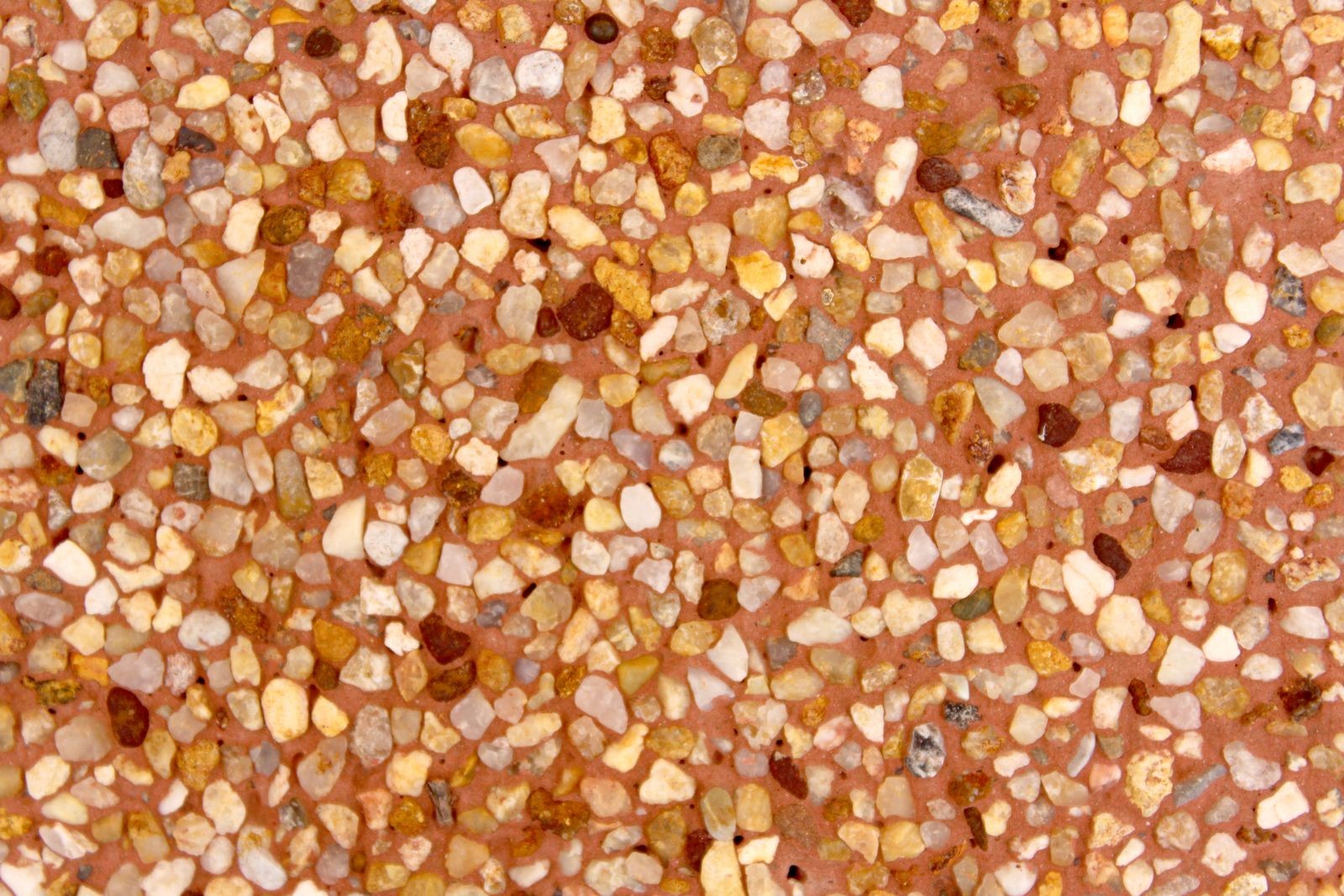
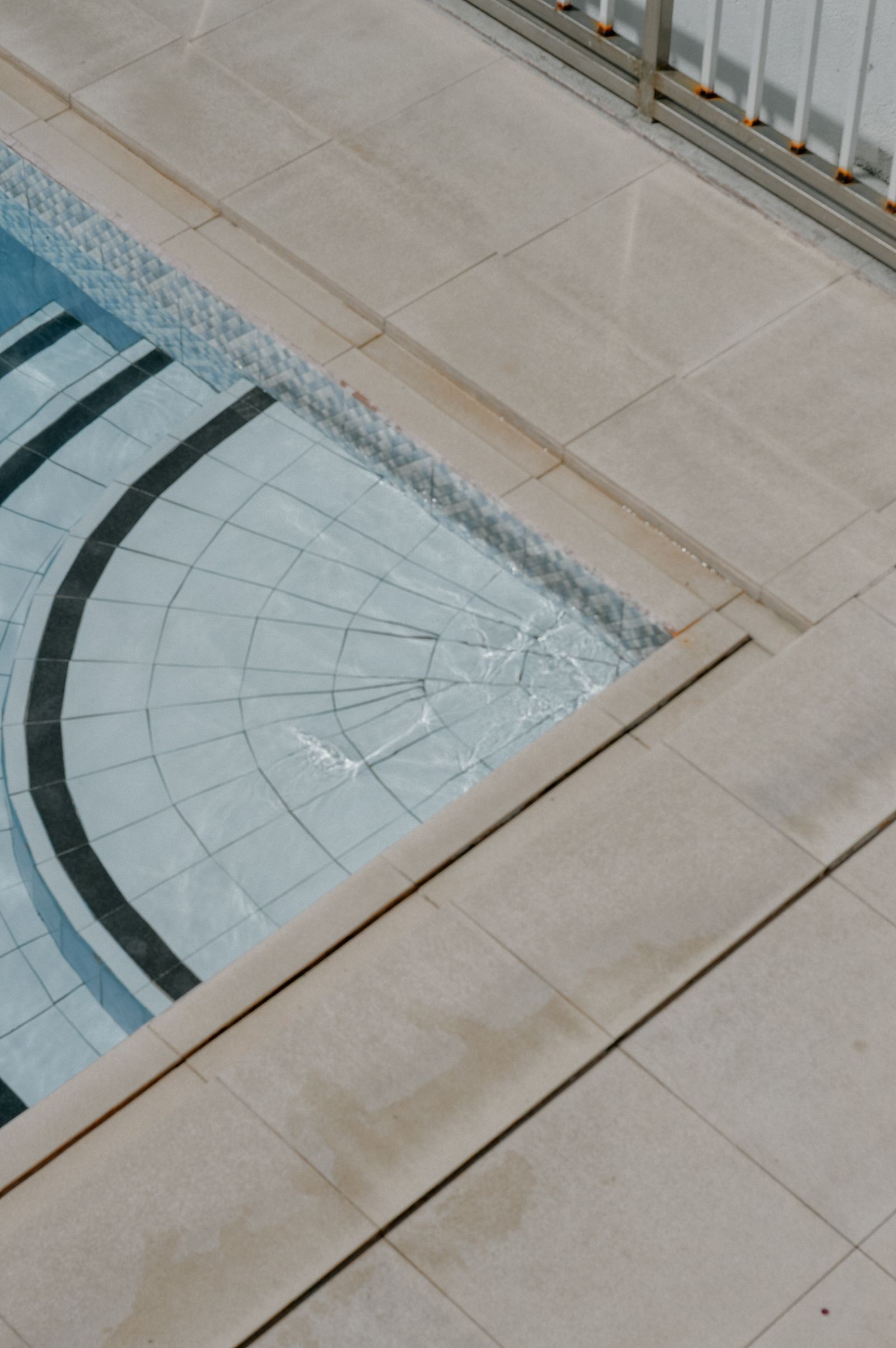
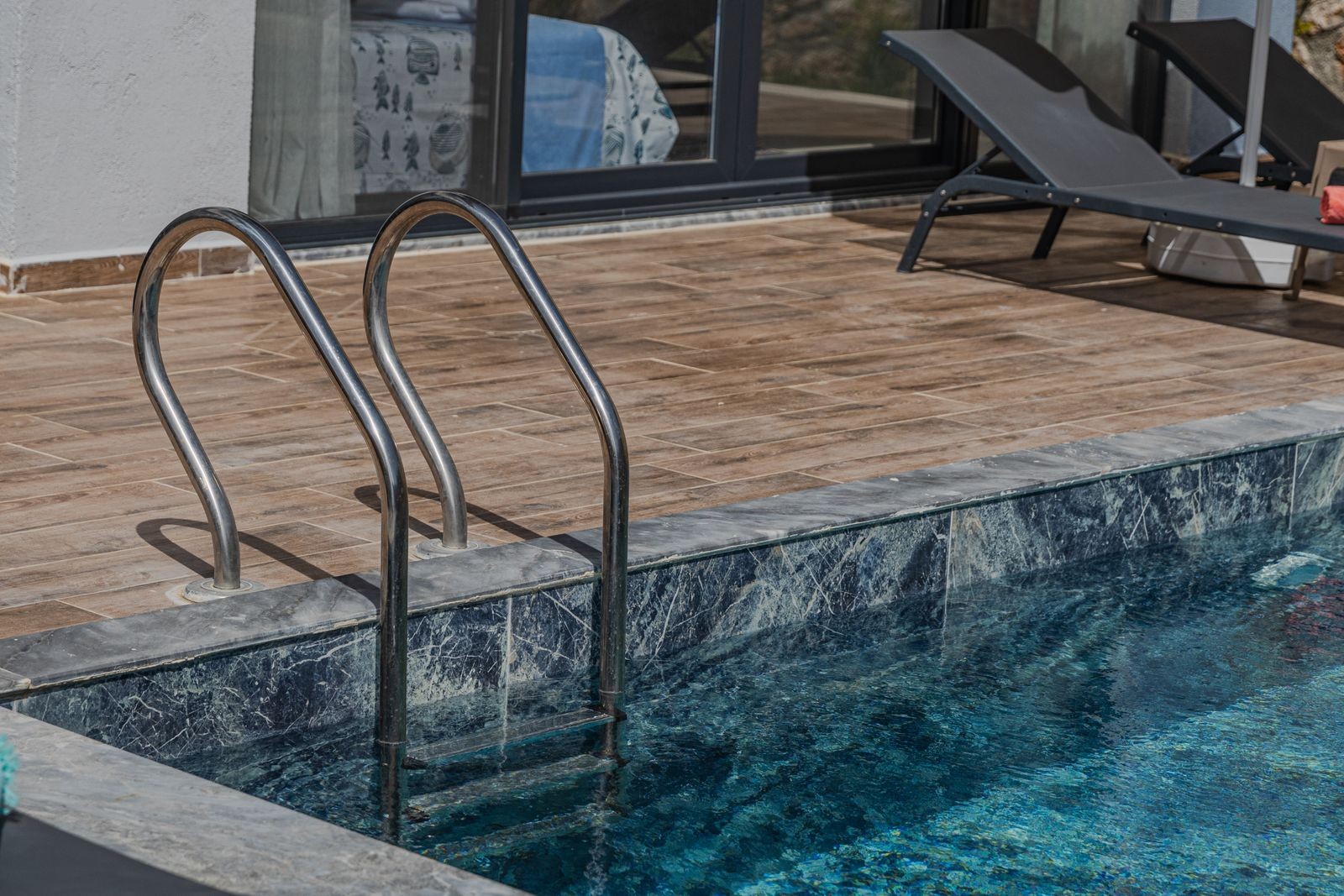
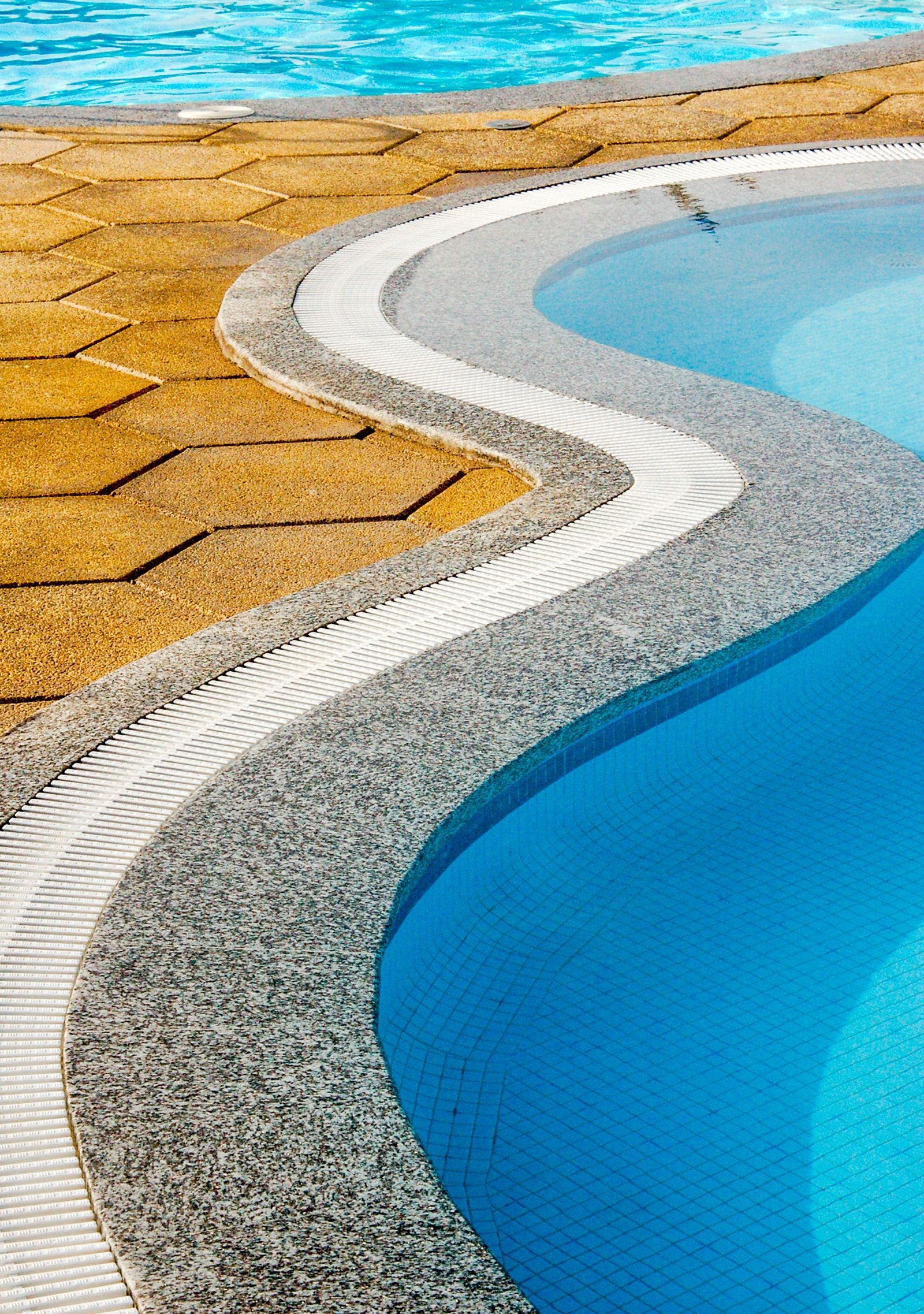
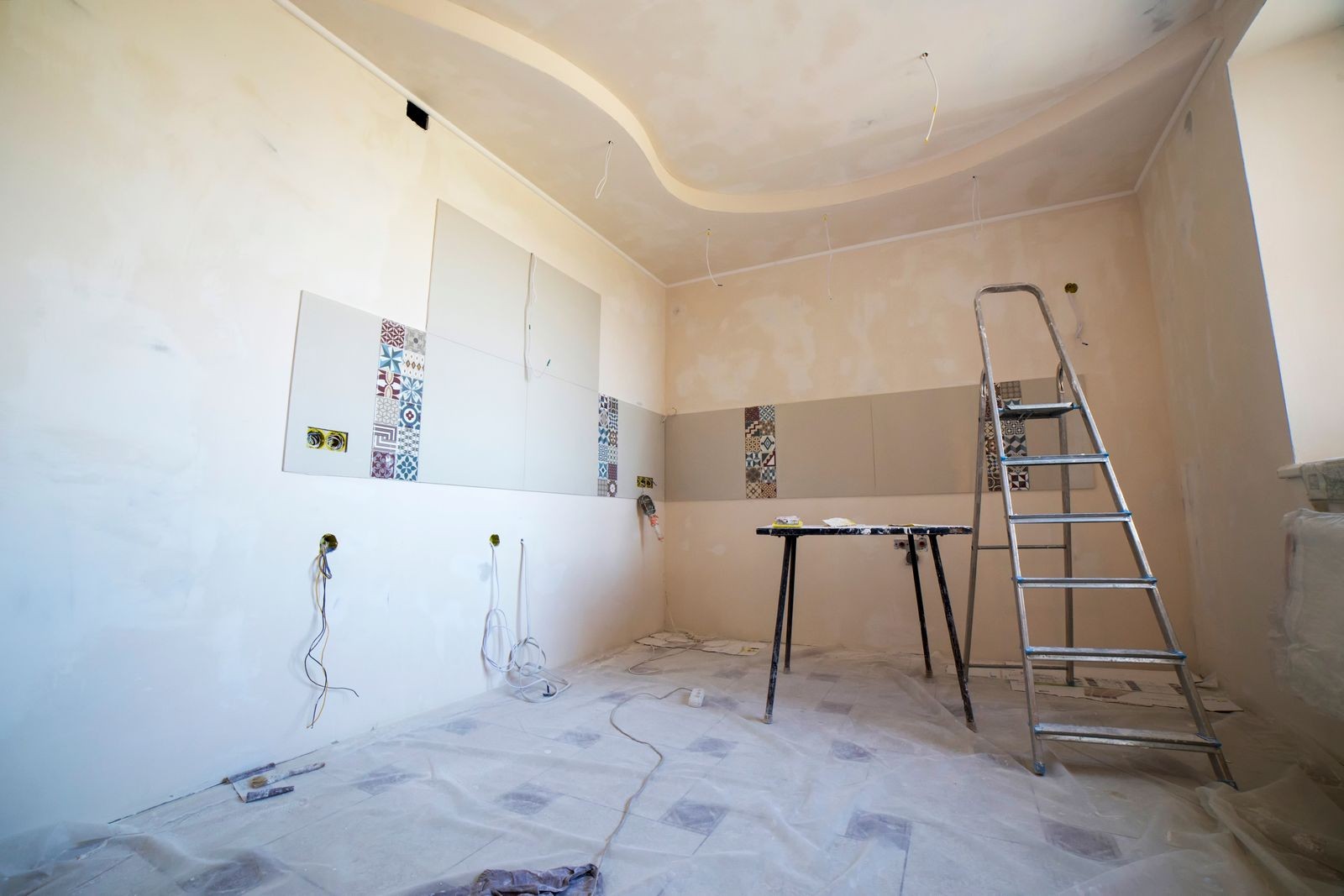
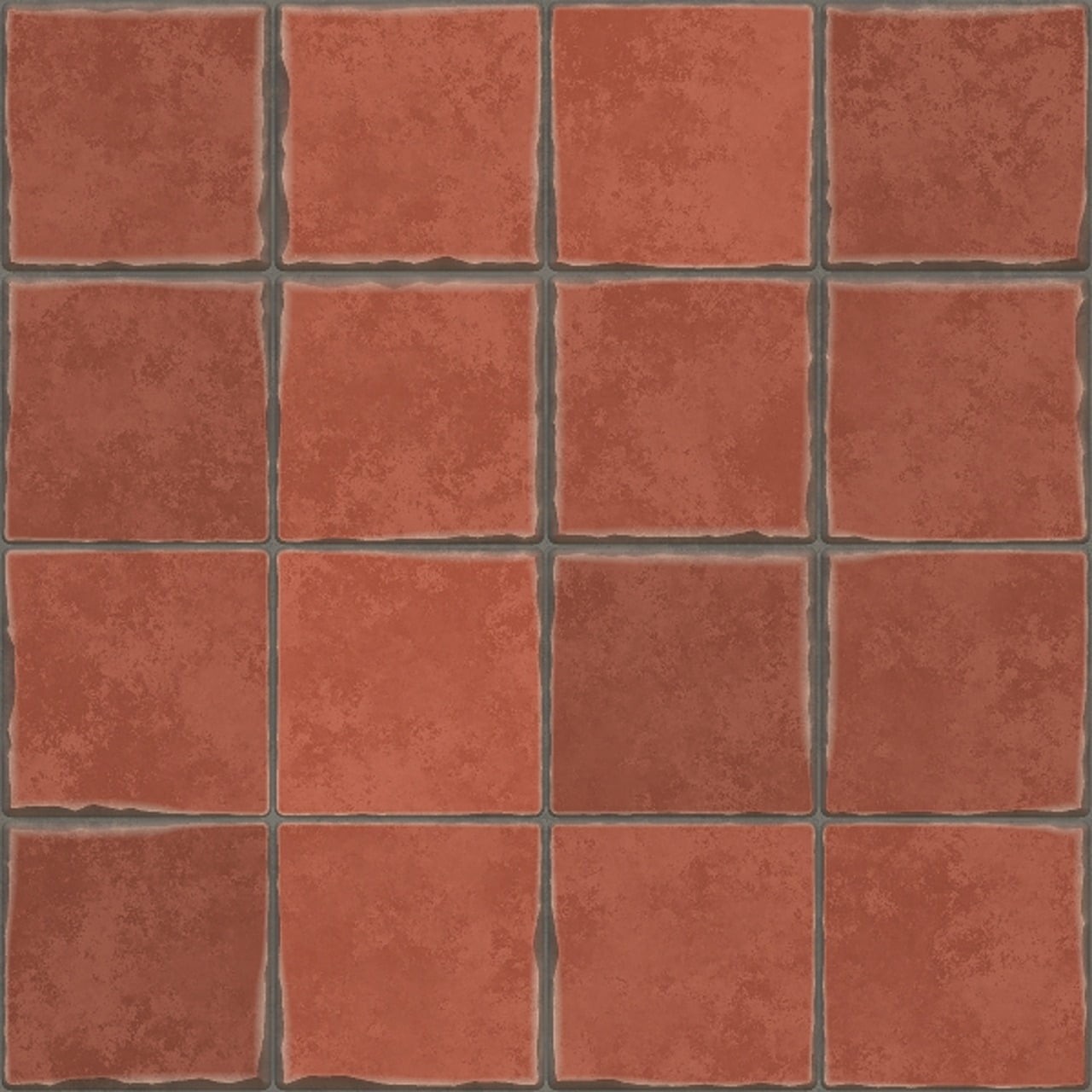
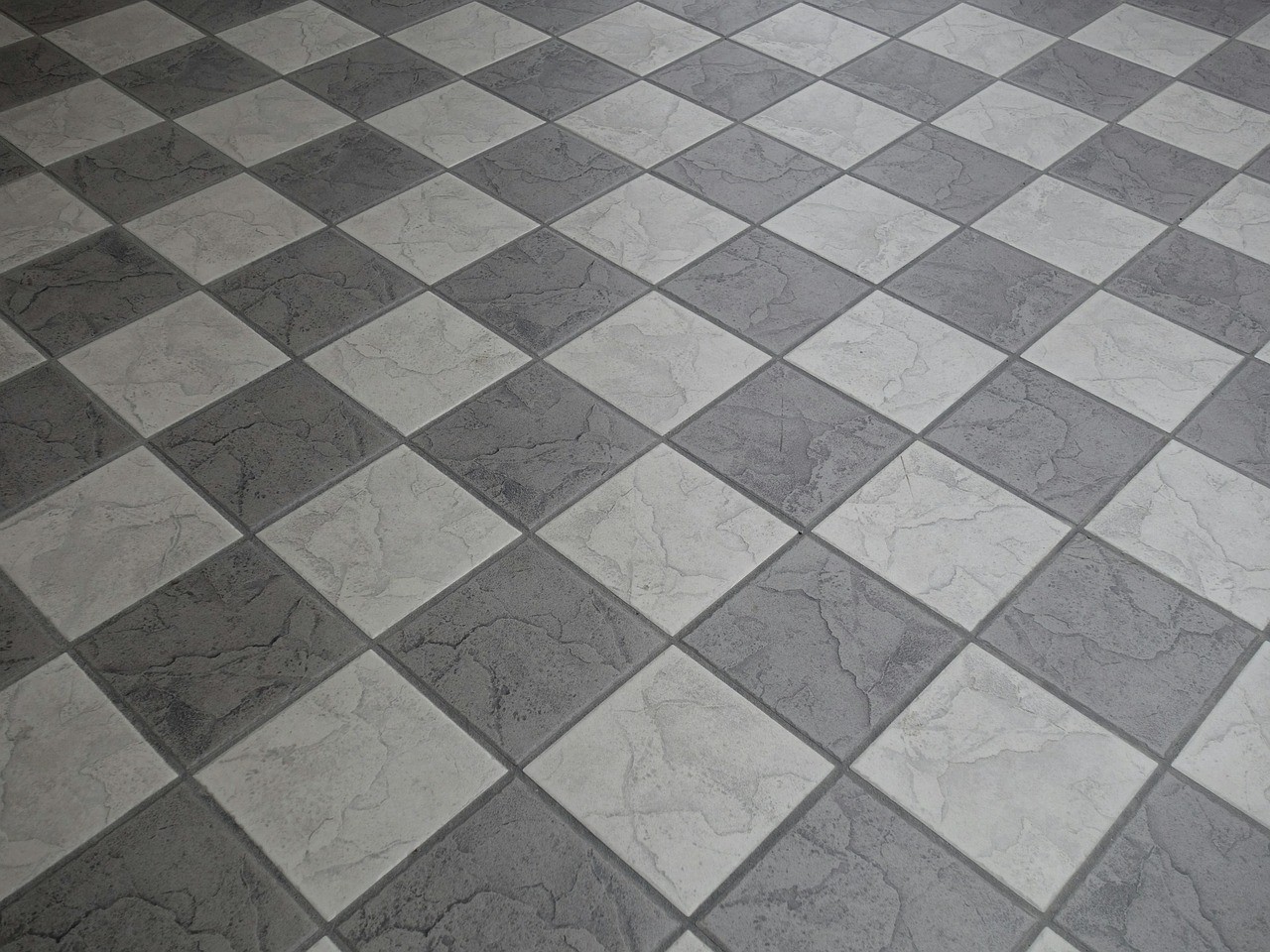
Every photo here is real Elbaz flooring work. Call 754-236-0675 | Get A Free Estimate
Explore Related Services
One contractor for the whole project — start to finish. Call 754-236-0675 | Get A Free Estimate
Financing
Find out if you're eligible for financing and turn your construction dream into a reality with the necessary funding.
 See If You Qualify
Get Financing Today
Financing Solutions for Your Home
Finding the right financing solution for your home can be a challenge, but with the right approach, you can secure the funding you need to make your dream home a reality.
Elbaz Construction works with four financing partners — Synchrony, Service Finance, Ygrene and Renew Financial — so you can explore your options before committing to a final construction scope.
See how each partner works, what each one typically covers and which suits your project on our financing page. Financing is subject to lender approval, program eligibility and current lender terms. Elbaz Construction is not a lender.
0% and low-interest financing options available — ask us how. Call 754-236-0675 | Get A Free Estimate
We serve Broward County and the following cities:
Coconut Creek | Cooper City | Coral Springs | Dania Beach | Davie | Deerfield Beach | Fort Lauderdale | Hallandale Beach | Hillsboro Beach | Hollywood | Lauderdale-by-the-Sea | Lauderdale Lakes | Lauderhill | Lazy Lake | Lighthouse Point | Margate | Miramar | North Lauderdale | Oakland Park | Parkland | Pembroke Park | Pembroke Pines | Plantation | Pompano Beach | Sea Ranch Lakes | Southwest Ranches | Sunrise | Tamarac | West Park | Weston | Wilton Manors
We serve Miami-Dade County and the following cities:
Aventura | Bal Harbour | Bay Harbor Islands | Biscayne Park | Coral Gables | Cutler Bay | Doral | El Portal | Florida City | Golden Beach | Hialeah | Hialeah Gardens | Homestead | Indian Creek | Key Biscayne | Medley | Miami | Miami Beach | Miami Gardens | Miami Lakes | Miami Shores | Miami Springs | North Bay Village | North Miami | North Miami Beach | Opa-Locka | Palmetto Bay | Pinecrest | South Miami | Sunny Isles Beach | Surfside | Sweetwater | Virginia Gardens | West Miami
We serve Palm Beach County and the following cities:
Atlantis | Belle Glade | Boca Raton | Boynton Beach | Briny Breezes | Cloud Lake | Delray Beach | Glen Ridge | Golf | Greenacres | Gulf Stream | Haverhill | Highland Beach | Hypoluxo | Juno Beach | Jupiter | Jupiter Inlet Colony | Lake Clarke Shores | Lake Park | Lake Worth | Lantana | Loxahatchee Groves | Manalapan | Mangonia Park | North Palm Beach | Ocean Ridge | Pahokee | Palm Beach | Palm Beach Gardens | Palm Beach Shores | Palm Springs | Riviera Beach | Royal Palm Beach | South Bay | South Palm Beach | Tequesta | Wellington | Westlake | West Palm Beach
We’re local — Miami-Dade, Broward & Palm Beach, every day. Call 754-236-0675 | Get A Free Estimate
Ready To Get Started? Get Your Free Flooring Estimate
Free Estimate
"*" indicates required fields
Sub Heading
Let’s Talk About Your Flooring.
Curious what different materials typically cost? See our Flooring Cost Guide for typical per-square-foot pricing.

