


10 service categories · 100 service pages · Miami-Dade, Broward & Palm Beach
View all services
Almost nothing clears
on the first submission.
The cycle is the project.
Most permit applications come back with comments — that is normal. What costs time is the correction cycle that follows, and it runs on statutory deadlines most applicants have never read.
- Licensed, bonded & insured · CBC1265280
- 104 municipalities across 3 counties
- Design-build: permitting & construction in-house
Miami-Dade · Broward & Palm Beach Counties
ScrollThe correction cycle is its own discipline.
Plan review corrections is the work of reading what a reviewer is actually asking for, coordinating the discipline that has to answer it, and getting the whole package back in one piece.
Very few permit applications clear plan review on the first submission. Even a well-prepared package usually returns with at least one round of reviewer comments, and that cycle — not the original submission — is where most projects lose time. Comments arrive discipline by discipline: structural, electrical, zoning, fire, energy code. Some are a missing signature. Some are a request for revised structural calculations or a redesigned site plan. The application does not move until every open comment is addressed, and in most jurisdictions all of them now have to be answered together in a single resubmission. Running that process deliberately, against the statutory clock, is what shortens a permit.
The statutory window for most projects under 7,500 square feet. 60 business days above that.
The statutory window for every re-review after corrections are resubmitted.
Elbaz Construction holds the certified building contractor licence and runs the correction process as contractor of record.
What managing corrections covers.
Most of this work happens before a comment ever arrives, and the rest happens in how the response is assembled.
01Pre-submittal completeness auditChecking the package against what the specific jurisdiction requires before it reaches the portal.
The most expensive rejections are the avoidable ones. A package rushed out to “start the clock” frequently loses more time than it gains.
02Discipline-by-discipline trackingFollowing the application’s status across every reviewing discipline it touches.
Structural, electrical, zoning, fire and energy code review on their own tracks. Knowing where each one stands is what makes the response plannable.
03Comment interpretationWorking out what each reviewer is actually asking for, which is not always what the comment literally says.
A comment written in shorthand for another professional can look far larger — or far smaller — than the change it actually requires.
04Discipline coordinationGetting the architectural, structural or MEP professional who has to answer a comment to answer it.
Most correction delay is coordination delay: waiting on the one discipline whose response the rest of the package depends on.
05Consolidated revision packagingBundling all corrections across every discipline into one resubmission.
Most jurisdictions now require this rather than accepting responses one discipline at a time, which changes how the whole response has to be sequenced.
06Sealed sheet managementIdentifying which revisions require the engineer or architect to reseal drawings, and getting that done before submission.
A structural or architectural change that needs a new seal is a scheduling item, not a formality, and missing seals are among the most common rejection triggers.
07Product approval documentationAssembling Notice of Acceptance and product approval documentation for the products the design relies on.
Missing product approval documentation for high-velocity hurricane zone products is consistently one of the top reasons a package is bounced in this region.
08Site plan consistencyReconciling the site plan against the architectural set so the two agree.
Inconsistent or erroneous site plans are a leading rejection cause, and the inconsistency is usually between sheets rather than inside one.
09Statutory deadline trackingTracking review and re-review windows and the fee-reduction consequence where a deadline is exceeded.
The reduction is real but conditional, and it does not apply to applicant-caused delay — which is another reason to keep the response clean.
10Direct reviewer contactSpeaking to the building department or the reviewer where the process allows it.
A two-minute conversation about intent can replace an entire correction round. Not every jurisdiction permits it, and where it does, it is worth using.
Submission to approval.
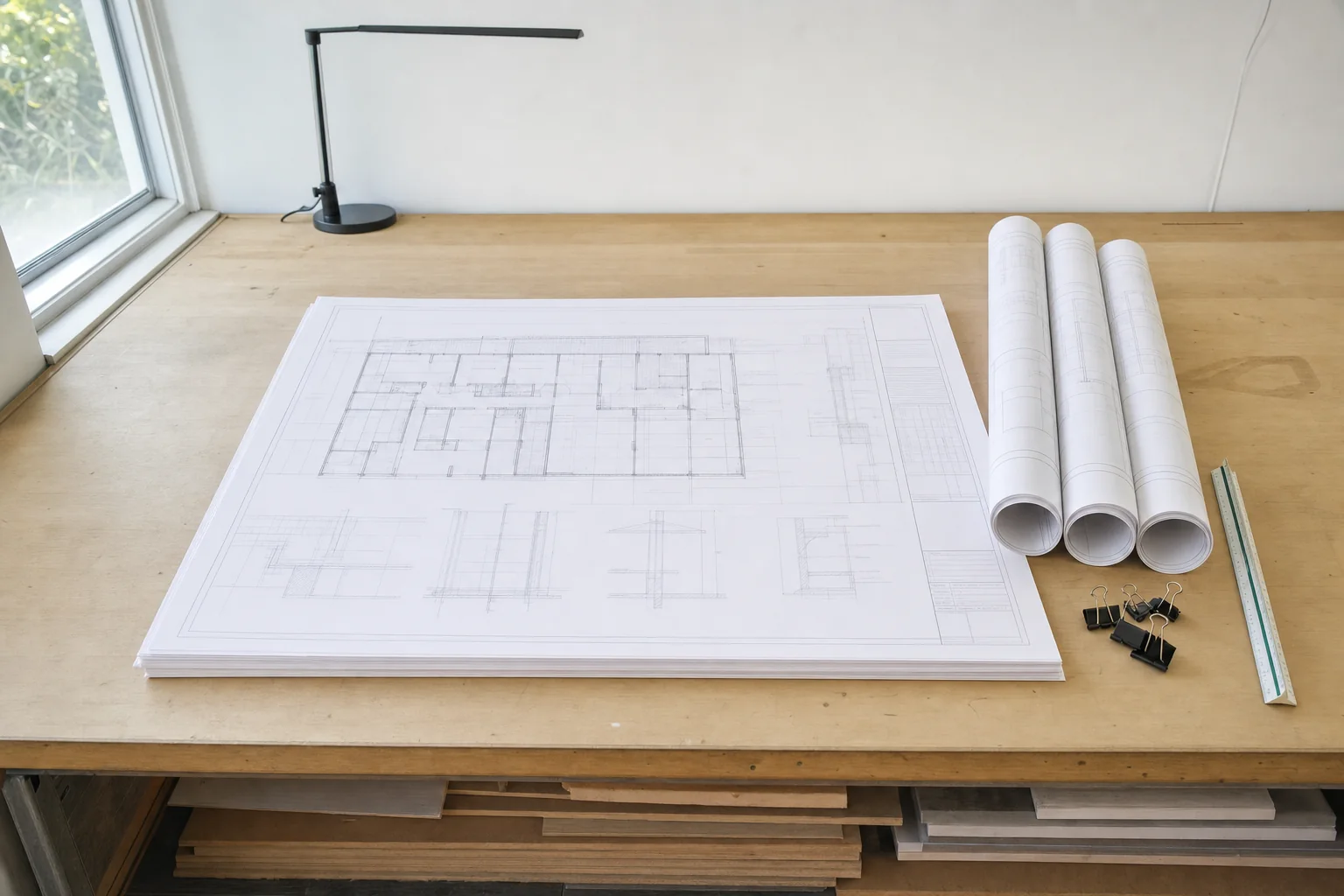
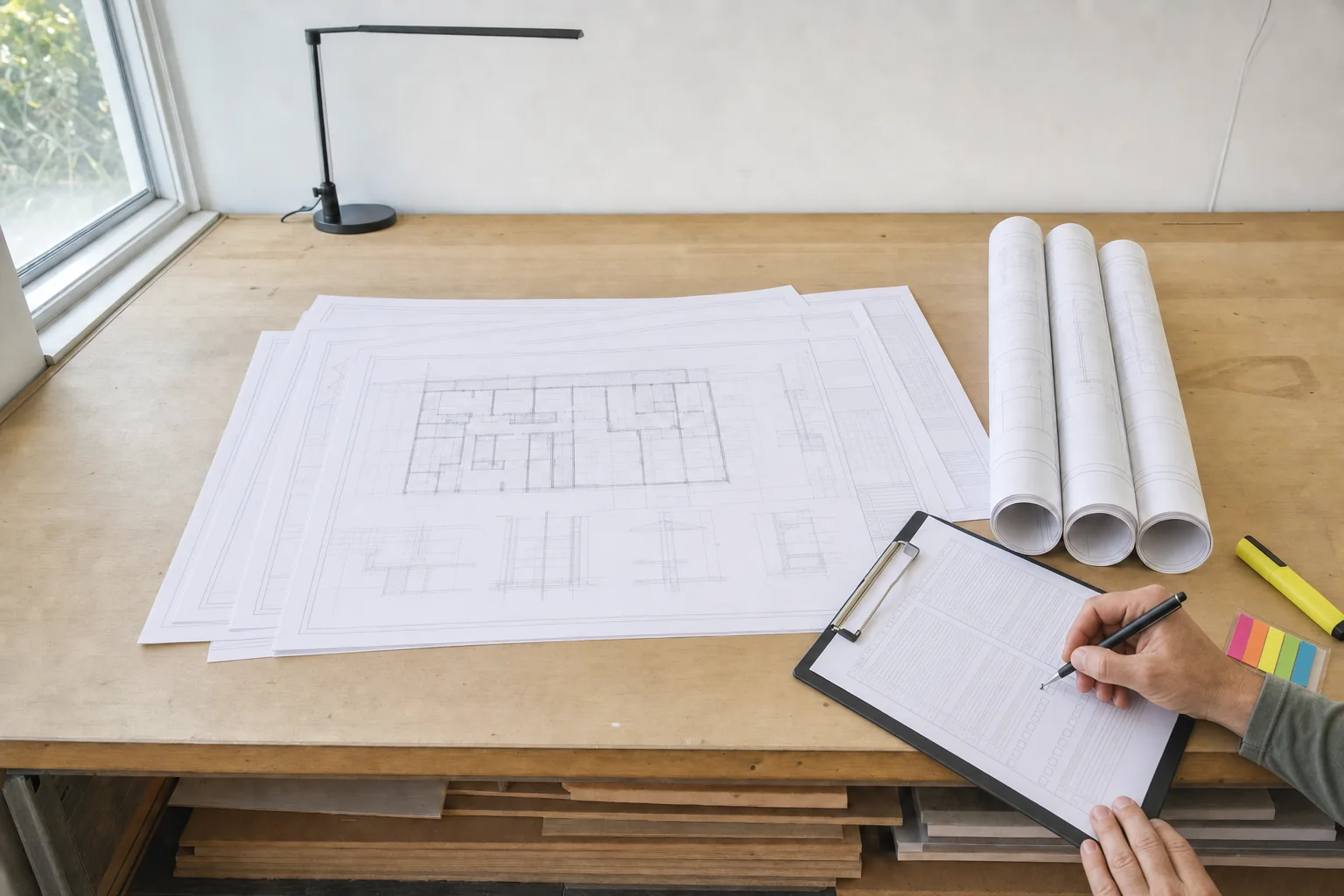
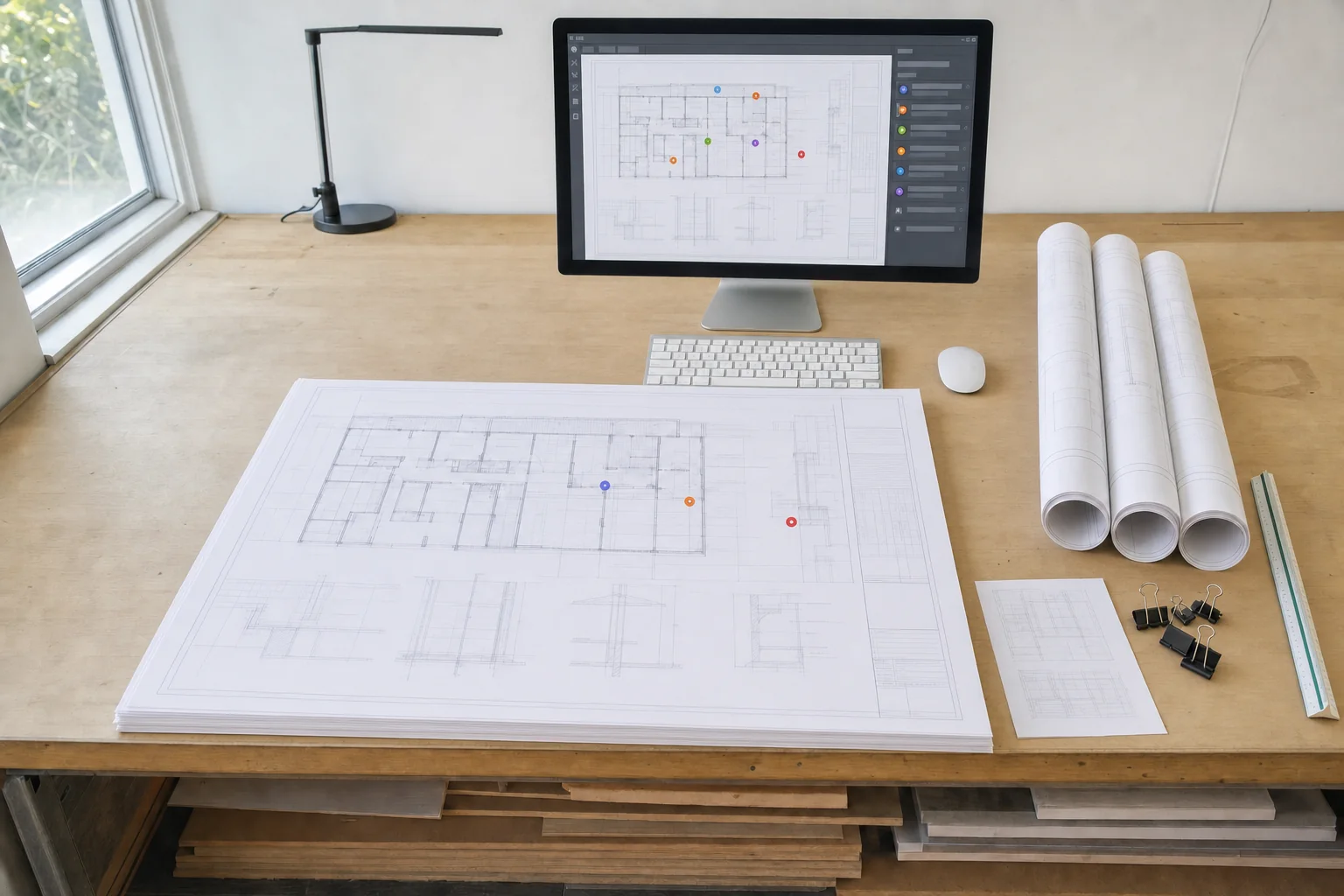
Illustrative sequence · not photographs of a real application
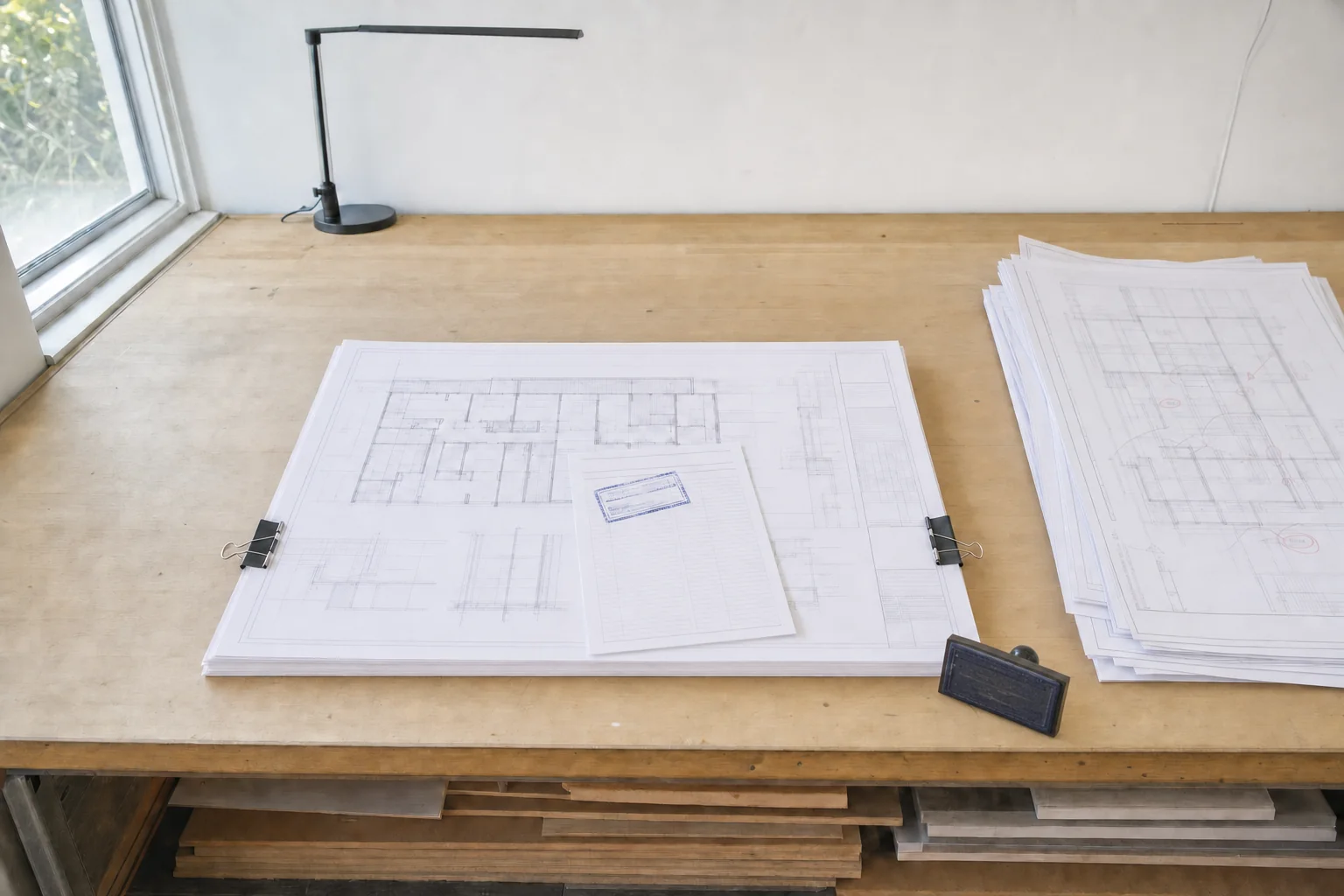
Every image on this page is a generated illustration of the plan review correction process. None is a photograph, and none shows a real permit application, drawing set or approval. This service produces documents rather than buildings, so no project photography could honestly represent it. The lettering in every frame is deliberately unreadable, and no seal, signature, permit number or jurisdiction name appears anywhere — showing a legible one would mean showing a document that does not exist.
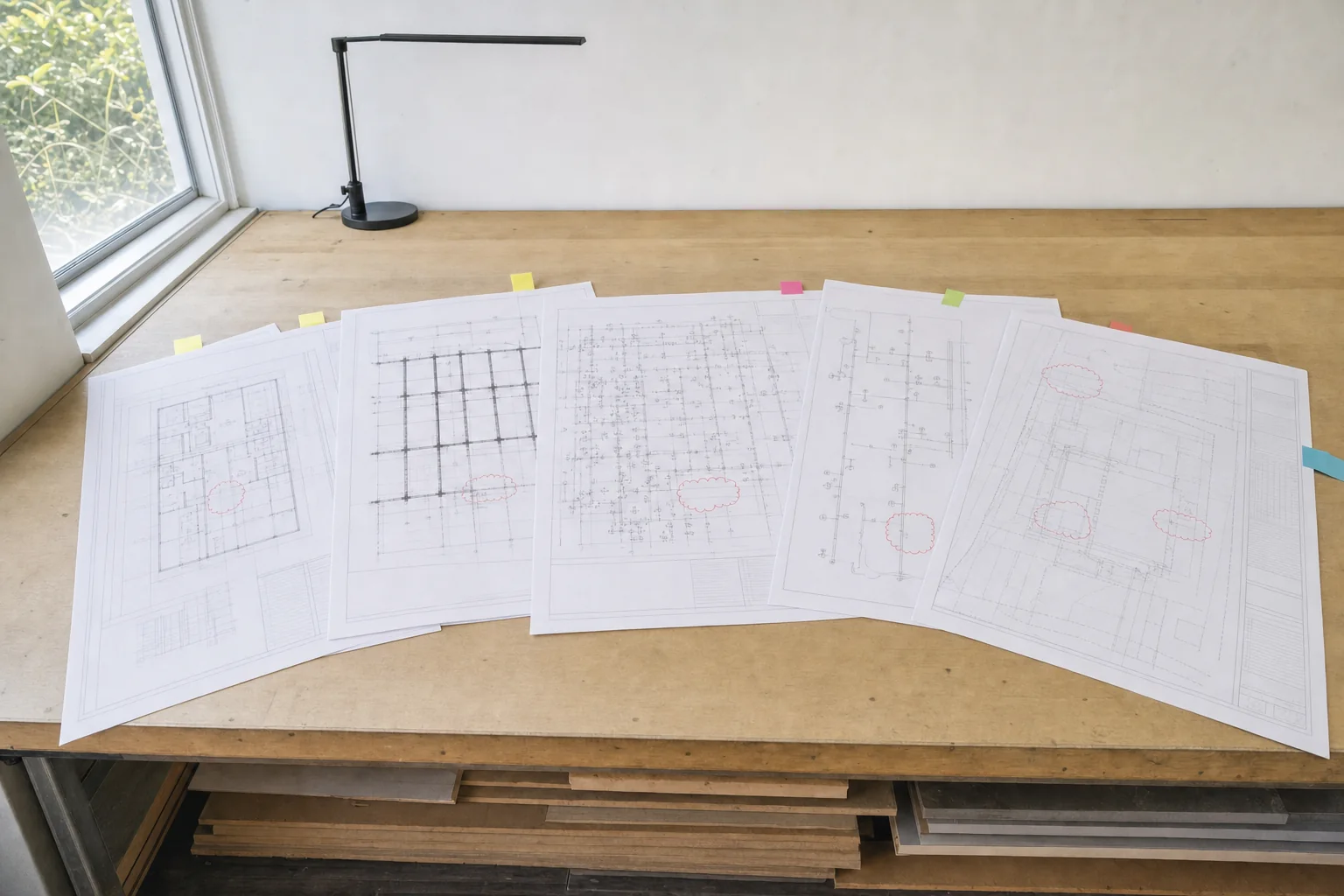
Where the time actually goes.
The first submission decides the second one
Incomplete application packages, missing signed and sealed sheets, missing product approval documentation for high-velocity hurricane zone products, and inconsistent or erroneous site plans are consistently the top rejection triggers across South Florida jurisdictions. Nearly all of them are avoidable with a genuinely complete, internally consistent first submission — rather than something pushed out the door to start the clock, which usually restarts it instead.
Comments have to be read, not just answered
A reviewer’s comment is written for another professional and is often compressed. Read literally, a comment can look like a redesign when it is asking for a note, or like a note when it is asking for revised calculations. Getting that reading right decides which discipline gets involved, how long the response takes, and whether the next round closes it out or reopens it.
Everything now goes back together
Most jurisdictions now require all corrections across every reviewing discipline to be bundled into a single resubmission rather than trickled back one at a time. A minor structural fix and an unrelated zoning correction go in the same package. That changes the sequencing entirely: the response moves at the pace of the slowest discipline, so the slow one gets started first.
The clock runs in both directions
The statute sets the review windows and attaches a fee reduction when a local government misses one — but not where the delay is applicant-caused. Tracking the dates is therefore only half of it. Keeping our side of the response clean and prompt is what keeps that leverage intact.
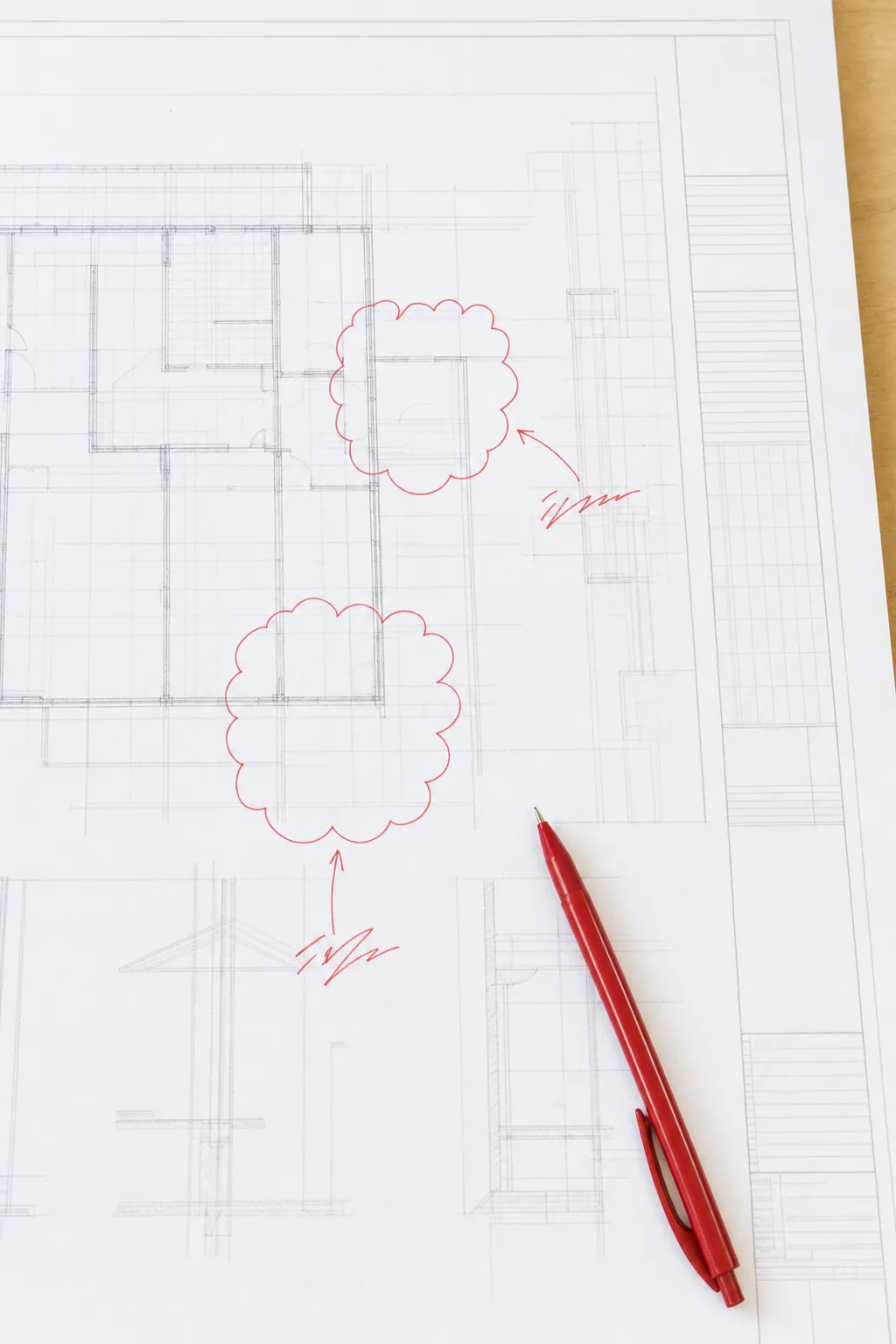
A package rushed out to start the clock usually restarts it instead.
Six things we hold to on correction work.
Complete before it is submitted
Audited against the jurisdiction’s own requirements rather than a generic checklist, because the requirements are not generic.
Internally consistent across sheets
Site plan reconciled against the architectural set, because the contradiction that gets caught is usually between two sheets rather than inside one.
Comments read before they are answered
What the reviewer is asking for established first, so the right discipline responds once instead of the wrong one responding twice.
Sequenced around the slowest response
Since everything goes back together, the discipline with the longest response time starts first.
Seals handled as a schedule item
Which revisions need resealing identified early, not discovered at submission.
Dates tracked on both sides
Review and re-review windows monitored, and our own turnaround kept clean so the statutory leverage stays available.
South Florida sharpens all of this: high-velocity hurricane zone product approval documentation is a routine rejection trigger here and not elsewhere, three counties run at visibly different paces, and a jurisdiction that allows direct reviewer contact will resolve in a phone call what another will only resolve in a full round.
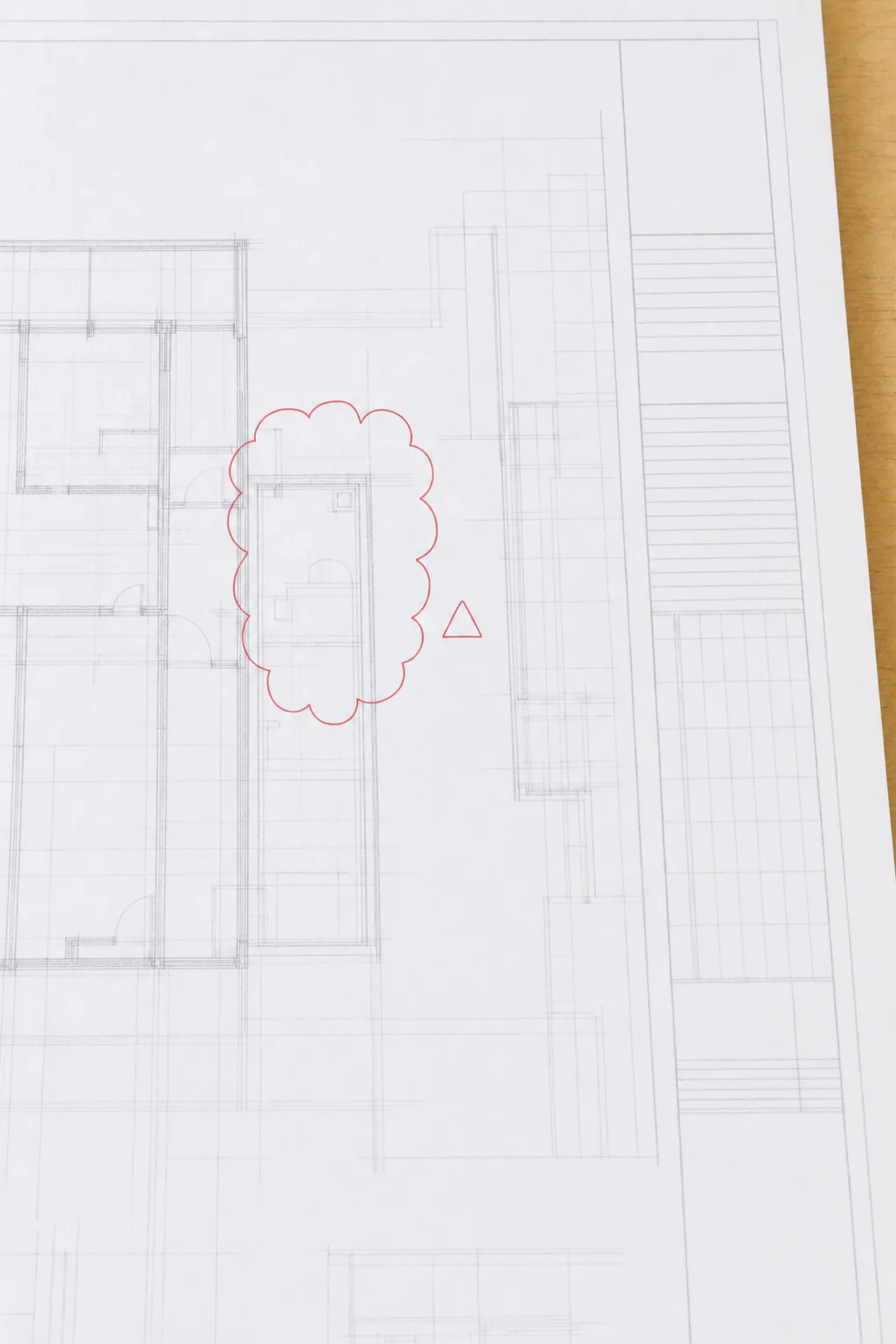
What the comments actually attach to.
Closer frames on the items that generate most comments: the site plan, the seal block, the product approval file and the clock they all run against.
Illustration: the consolidated resubmission package
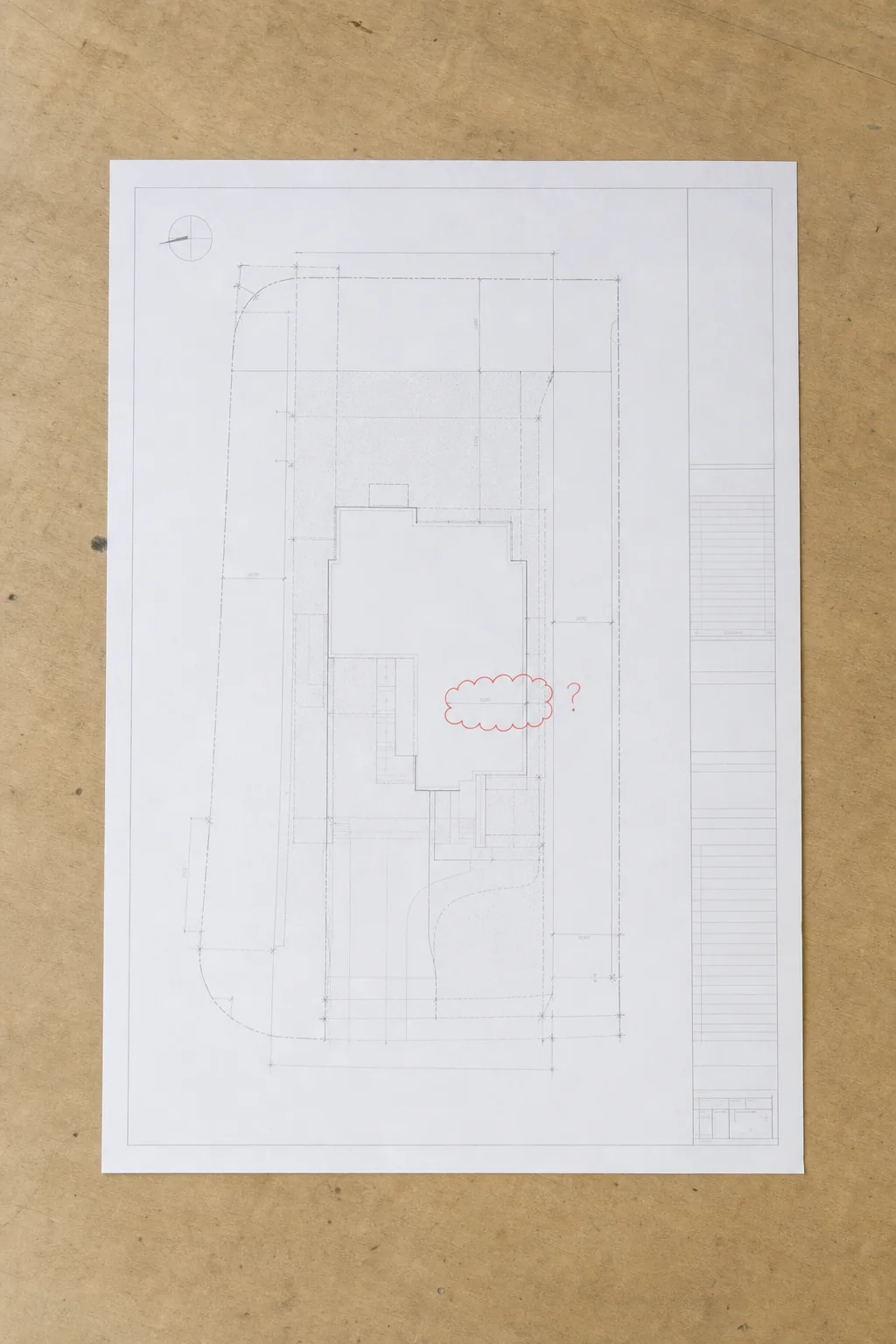
Illustration: a site plan sheet with a marked dimension
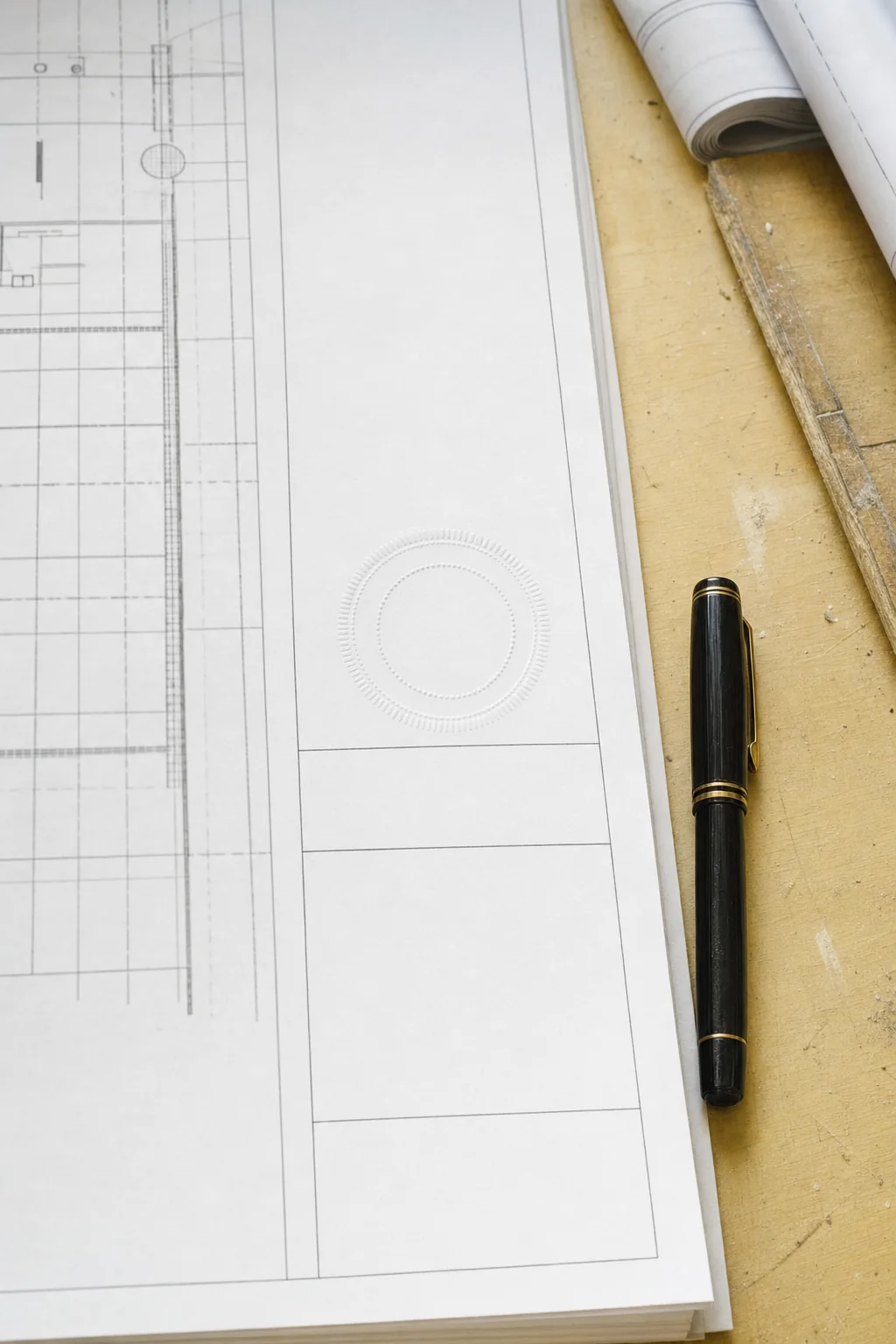
Illustration: a blank seal and signature block

Illustration: the review clock and a wall planner
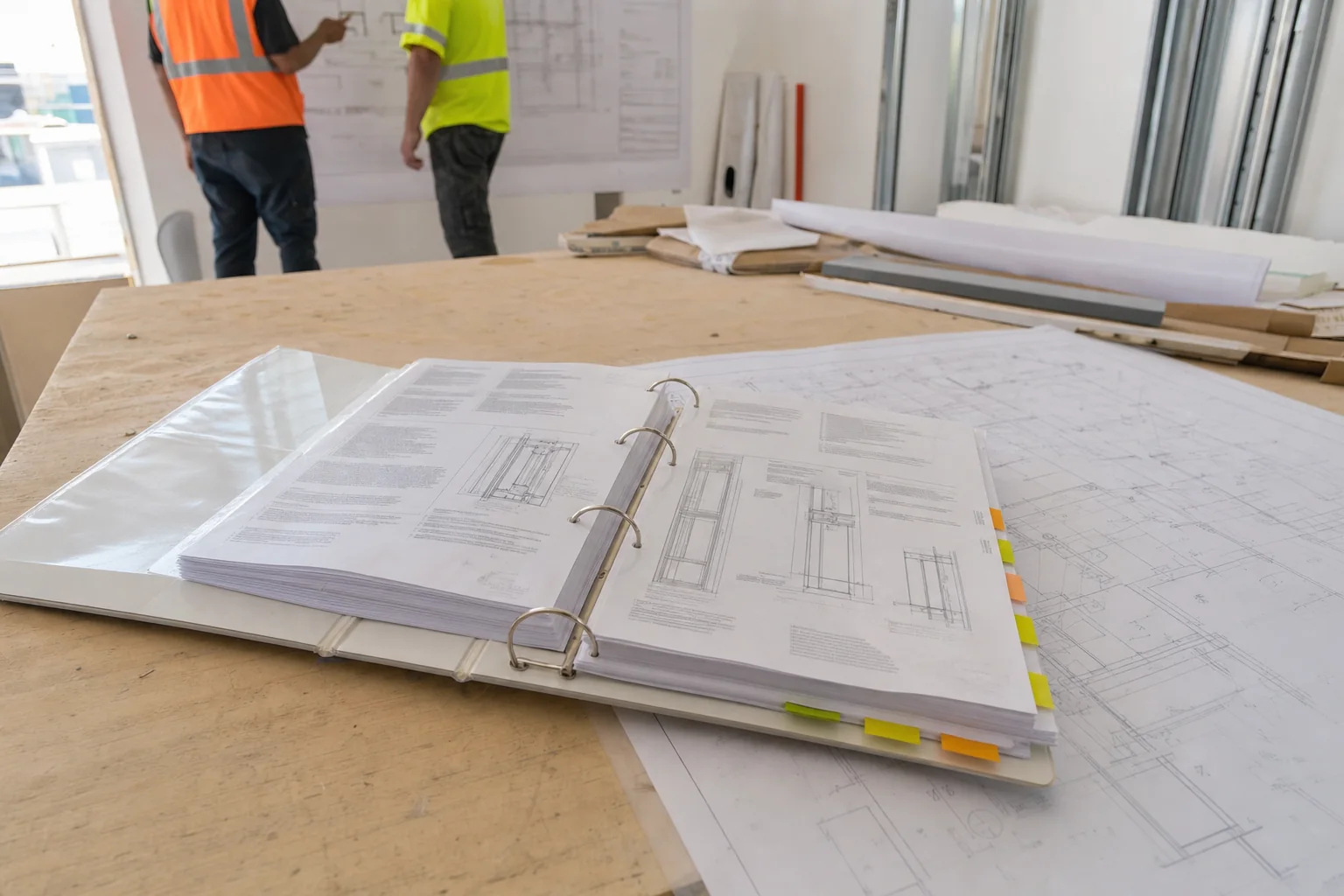
Illustration: product approval documentation in a binder

Why packages get bounced.
The six items below account for most of the correction rounds we see, and the first four are the ones reported most consistently across South Florida jurisdictions.
Provenance note: every image on this page is a generated illustration and the diagrams in section 11 are drawings we produced. No image here is a photograph, and none shows a real permit application, drawing set or approval. Lettering is deliberately unreadable throughout and every seal and signature block is shown blank.
Nine stages, one contractor.
Package review
What the jurisdiction actually requires, checked against what is assembled.
Completeness audit
Seals, forms, product approval documentation and sheet consistency confirmed before the portal.
Submission
Filed, with the review window recorded from the start.
Discipline tracking
Status followed across every reviewing discipline the application touches.
Comment triage
Each comment interpreted and assigned to the discipline that has to answer it.
Response drafting
Revisions produced, resealed where required, and written responses prepared.
Consolidation
Every discipline’s corrections bundled into one resubmission package.
Re-review monitoring
The re-review window tracked, with follow-up where it is exceeded.
Approval and handover
Approved set issued and passed to the construction team.
Deadlines, consequences and conditions.
Statutory windows, local procedure and fee schedules differ across Miami-Dade, Broward and Palm Beach and can change. Nothing here is legal advice or a guaranteed approval timeline — we confirm what your jurisdiction actually applies to your application rather than assuming the general case.
What the statute actually gives you.
Diagrams, not photographs. Florida Statute 553.792 sets real deadlines on plan review, and a real consequence when a local government misses one. It is genuine leverage, and it is underused because most applicants do not know it exists.
30 business days
The initial review window for most projects under 7,500 square feet.
60 business days
The initial review window for projects above that threshold.
15 business days
Each re-review, after corrections are resubmitted. This is the number that governs a multi-round project.
10% per day
Where the local government exceeds its deadline, the statute requires the permit fee reduced by 10% for every business day it is late.
Three exceptions
The reduction does not apply where the delay is applicant-caused, covered by an agreed extension, or the result of extraordinary circumstances.
What moves the number, and what moves the date.
We do not publish a flat price for correction management, because the number of cycles and the number of disciplines involved drive nearly all of it.
What moves the number
What moves the date
Bring to the first call
- The correction comments exactly as issued, all disciplines.
- The submitted drawing set and the application number.
- Which jurisdiction the application sits with.
- Who sealed the drawings and whether they are still engaged.
- The dates of submission and of each comment issue.
- Any product approval documentation already assembled.
What approval looks like.
Every open comment closed, every discipline’s response in one package, the revised set resealed where required, and the approved drawings released to the construction team. An illustration of the end of the cycle rather than a photograph of a real approval.
- Your comments read before any work is quoted.
- A clear view of which discipline owns each response.
- One consolidated resubmission, not a trickle.
- The review and re-review windows tracked from the start.
Questions, answered.
Correction rounds, statutory deadlines, resubmission rules and rejection triggers.
What does it mean when my permit comes back with corrections?
It means the plan reviewer found one or more issues to resolve before the application can be approved. This is a normal, expected part of the process for most projects, not a sign that something went fundamentally wrong.
How many rounds of corrections is normal before approval?
It varies by complexity and jurisdiction. Commercial projects commonly go through two or three review rounds before final approval; a simple residential project sometimes clears in one round if the initial submission is clean.
Can I fix the structural comment now and handle the zoning comment later?
Generally no. Most jurisdictions now require all corrections across every discipline to be resubmitted together in one package rather than addressed one discipline at a time.
Is there a legal deadline for how long the county can take?
Yes. Florida law sets a 30-business-day initial review window for most projects under 7,500 square feet, 60 for larger ones, and 15 business days for each subsequent re-review after corrections are resubmitted.
What happens if the building department misses its own deadline?
State law requires the permit fee reduced by 10% for each business day the deadline is exceeded — unless the delay is attributable to the applicant, covered by an agreed extension, or the result of extraordinary circumstances.
Why did my permit get rejected when nothing about the design changed?
Rejections often trace back to documentation rather than design: a missing seal, absent product approval documentation, or an inconsistency between sheets from different disciplines are among the most common causes.
Do I pay again every time I resubmit?
Typically not a full new application fee, though some jurisdictions charge a smaller resubmission or re-review fee depending on the scope of the corrections. This varies by city and county.
What is the single most common reason permits get bounced in Miami-Dade?
Incomplete or inconsistent application packages — missing signed and sealed plans, absent Notice of Acceptance documentation for required products, or errors in the site plan — consistently top the list.
Can you take over corrections on a permit someone else submitted?
Yes, and it is a common request. We audit what was submitted against what the jurisdiction requires first, because that usually explains the comments faster than reading them one by one.
Why are the images on this page illustrations?
Because this service produces documents rather than buildings, and showing a legible permit, seal or approval would mean showing a document that does not exist. The frames are drawn, the lettering is deliberately unreadable, and every seal and signature block is blank.
Why Elbaz.
Licensed general contractor
Certified building contractor, licence CBC1265280, bonded and insured.
The cycle run as a discipline
Comment triage, discipline assignment and consolidated packaging handled as its own workflow rather than absorbed into general project admin.
Completeness audited first
Against the specific jurisdiction’s requirements, because that is what a rejection is measured against.
Deadlines tracked on both sides
The statutory windows monitored, and our own turnaround kept clean so the fee-reduction leverage stays intact.
Local experience
Miami-Dade, Broward and Palm Beach, and the real differences in pace and procedure between them.
One point of contact
Architect, engineer, MEP consultants and the building department coordinated by us.
Direct reviewer contact where allowed
Used where the jurisdiction permits it, because a short conversation sometimes replaces an entire round.
Financing
Financing options available through our partners.
What South Florida homeowners say.
Reproduced verbatim from our Google Business Profile. Nothing here has been edited, merged or rewritten.
Redid my whole bathroom and kitchen. Great service - Great quality - very quick - very professional !! Highly recommended!
Adir DavidovGoogle reviewThey are amazing! Very professional. Met my exact requests with so much patience and knowledge. They renovated my whole house and the whole process was such a breeze. I highly recommend them!
Lee MoraliGoogle reviewWe hired them to renovate our investment property and they provided exceptional quality service for an affordable price!
Shir PartushGoogle reviewAmazing experience with the entire company! They did a great job in my house for some work that needed to be completed, and I am extremely happy with the result. Super professional & great service. I highly recommend Elbaz Construction.
Mia ZafraniGoogle reviewAfter I've been Looking for a good company to renovate my house , I found those guys! These people are super professional super honest super Fast !! Don't hesitate to Rent their service! They are number one!!
carmit cohenGoogle reviewI highly recommend them for home improvement. They renovated my master bathroom and a few upgrades for other guest bathrooms. They are very professional, courteous and transparent. They are great at communicating and finding ways to streamline the work. Sean has impeccable project management and customer relationship management skills. Very pleased with the work!
Omri BGoogle review
