Home > Roofing Services In South Florida
Ready to talk through your roofing services in south florida project? Call 754-236-0675 | Get A Free Estimate
Request Your Free Roofing Services In South Florida Estimate
Free Quote
"*" indicates required fields
Prefer to talk it through first? Call 754-236-0675. Call 754-236-0675 | Get A Free Estimate
Roofing Services In South Florida
A roof is the single component standing between a South Florida home and a Category 3+ hurricane. Miami-Dade and Broward sit inside Florida’s High-Velocity Hurricane Zone, where design wind speeds reach up to 175 mph and every material installed — tile, metal, shingle, underlayment — must carry a Miami-Dade Notice of Acceptance. Palm Beach falls just outside HVHZ but is still bound by the state’s Wind-Borne Debris Region rules.
Elbaz Construction handles roofing the way a licensed general contractor should: as structural work integrated with permitting and the rest of the building envelope, not an isolated trade sold on fear. We hold the license, pull the permits, and stay involved from the first inspection through the final code sign-off.
Roofing services
Each service below has its own page with scope, process and permitting details.
- Flat & Low-Slope Roofing – Flat & low-slope roofing from Elbaz Construction, a licensed South Florida general contractor installing TPO, modified bitumen & built-up roofs.
- Metal Roofing – Standing-seam and exposed-fastener metal roofing in Miami-Dade, Broward and Palm Beach: approved systems and detailed terminations.
- New Construction Roofing – New construction roofing from Elbaz Construction, a licensed South Florida general contractor installing code-compliant roofs on new builds.
- Roof Coating & Maintenance – Flat and low-slope roof inspection, maintenance and coating across Miami-Dade, Broward and Palm Beach, and whether coating suits your roof.
- Roof Inspection & Wind Mitigation – Roof condition inspections and Florida wind mitigation reporting across Miami-Dade, Broward and Palm Beach, carried out from the roof.
- Roof Repair – Roof repair across Miami-Dade, Broward and Palm Beach.
- Roof Replacement – Roof replacement from Elbaz Construction, a licensed South Florida general contractor installing new roofs built for hurricane-code wind loads.
- Shingle Roofing – Shingle roofing installation from Elbaz Construction, a licensed South Florida general contractor installing wind-rated asphalt shingles.
- Storm & Hurricane Roof Damage Repair – Storm & hurricane roof damage repair from Elbaz Construction, a licensed South Florida GC responding fast after major weather events.
- Tile Roofing – Licensed tile roofing across Miami-Dade, Broward and Palm Beach.
Get a real assessment, not a sales pitch. Call 754-236-0675 | Get A Free Estimate
Systems we work with.
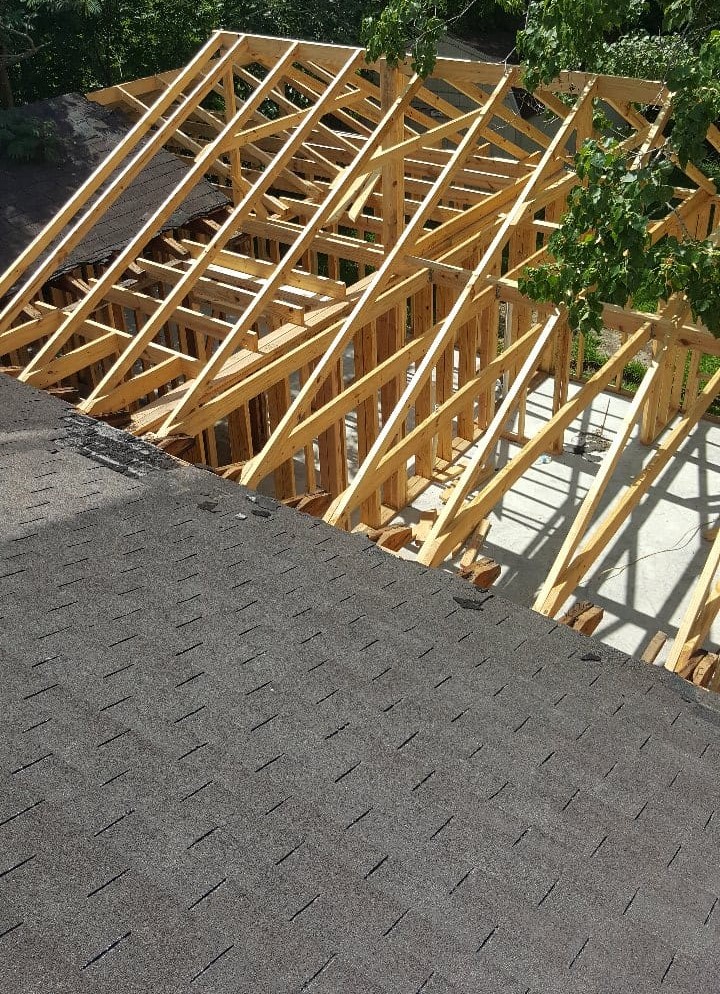
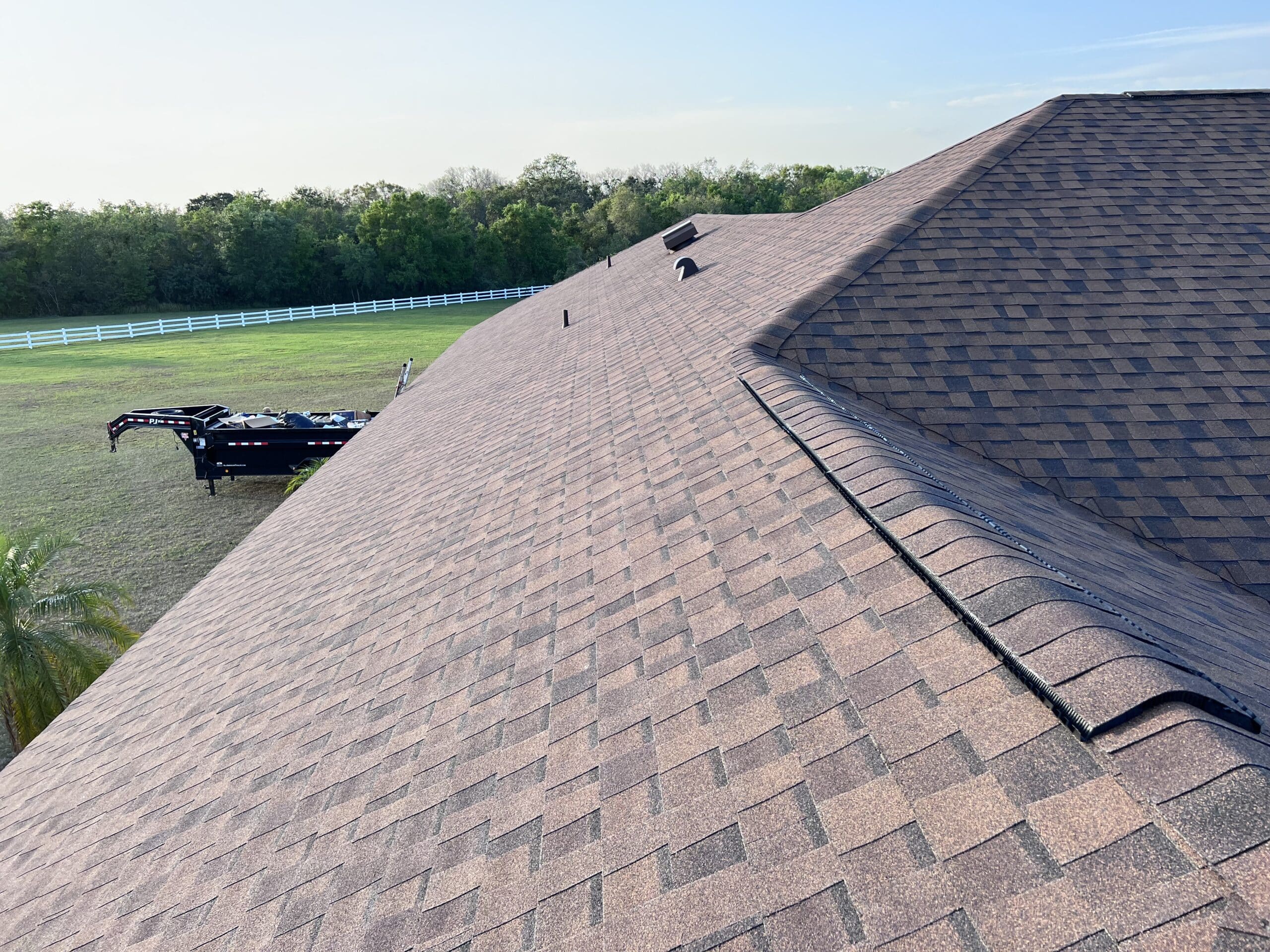
South Florida homes carry a narrower mix of roofing systems than most of the country, largely because the climate and code filter out anything that can’t handle sustained UV, wind-driven rain, and salt air. Concrete and clay tile remain the most common system on single-family homes in Miami-Dade, Broward, and Palm Beach — durable, heavy enough to resist uplift, and standard on most subdivisions built to HVHZ-era code. Standing-seam and 5V-crimp metal roofing has grown steadily, especially on newer builds and renovations where owners want a 40-plus-year system and a shot at better wind-mitigation credit. Architectural asphalt shingle is still common on older homes and smaller structures where upfront cost matters more than lifespan. On additions, garage conversions, and low-slope sections a pitched system can’t cover, we install modified bitumen or TPO — flat-roof systems built for standing water and foot traffic rather than gravity runoff.
Questions about your specific project? Ask a licensed GC. Call 754-236-0675 | Get A Free Estimate
Repair or replace.
Not every roof problem calls for a full tear-off. Isolated leaks around a boot, valley, or flashing detail, a handful of cracked or slipped tiles, or minor granule loss on a shingle roof under ten years old are usually repair-scope issues. Full replacement becomes the right call when the underlayment has failed broadly, when tile or shingle damage covers a large share of the roof, when decking has gone soft from long-term moisture intrusion, or when the roof is old enough that patching one section just moves the failure to the next. Florida’s building code has its own trigger here too: repair work that exceeds roughly 25% of the roof area within a rolling 12-month period generally has to meet current replacement code rather than the standard the roof was originally built to. (Recent state law changes give some relief for roofs under 10 years old damaged by a specific event rather than wear and tear.)
Questions about your specific project? Ask a licensed GC. Call 754-236-0675 | Get A Free Estimate
Insurance and wind mitigation.
Roof condition and insurance are tightly linked in Florida. Insurers are required by state law to offer discounts for verified wind-mitigation features, documented on the OIR-B1-1802 inspection form — roof shape, secondary water resistance (a peel-and-stick membrane under the covering), and impact-rated roof-to-wall connections can meaningfully lower a premium, and the form stays valid for up to five years. Roof age matters too: insurers can’t decline or refuse to renew a policy solely because a roof is under 15 years old, and for roofs older than that, a homeowner can have a licensed inspector certify at least five years of remaining useful life to keep coverage in place. We build wind-mitigation documentation into every replacement we do.
Questions about your specific project? Ask a licensed GC. Call 754-236-0675 | Get A Free Estimate
How we run a project.
Every roofing project starts with an actual assessment, not a sales estimate — we get on the roof, check the decking, and identify what’s driving the problem before recommending a scope. From there we handle permitting directly with the local building department, which in Miami-Dade and Broward means confirming NOA-approved products and scheduling the in-progress dry-in inspection HVHZ requires before the covering goes on. Installation follows manufacturer and code specifications down to the fastener pattern, and every project closes with the final building inspection and warranty paperwork registered in the homeowner’s name.
Questions about your specific project? Ask a licensed GC. Call 754-236-0675 | Get A Free Estimate
Materials
01. Option 1
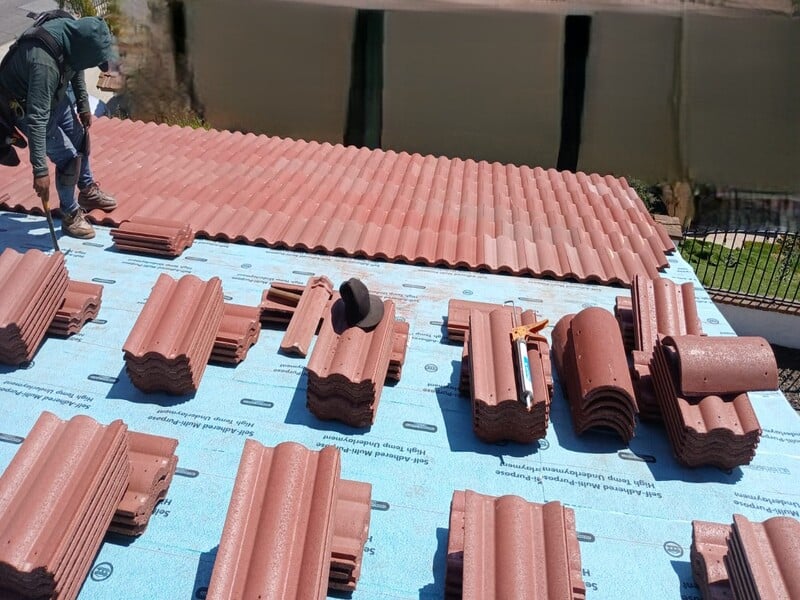
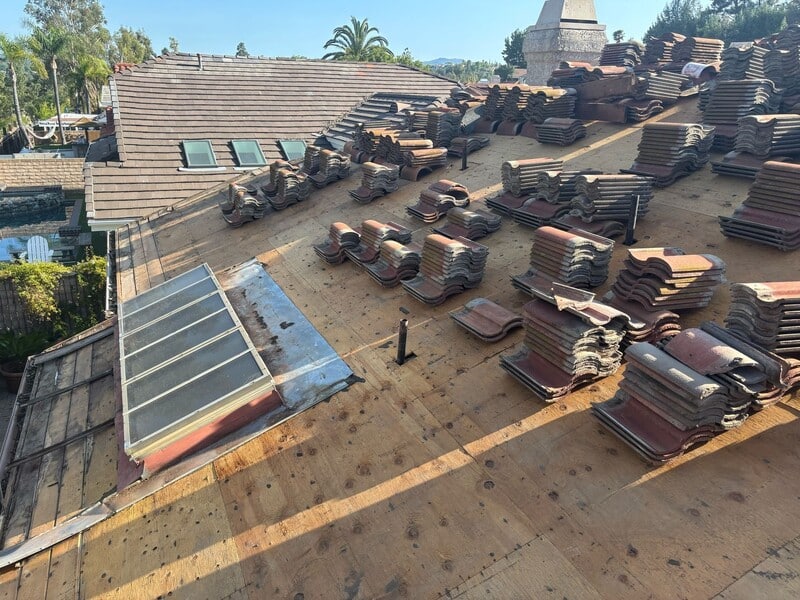
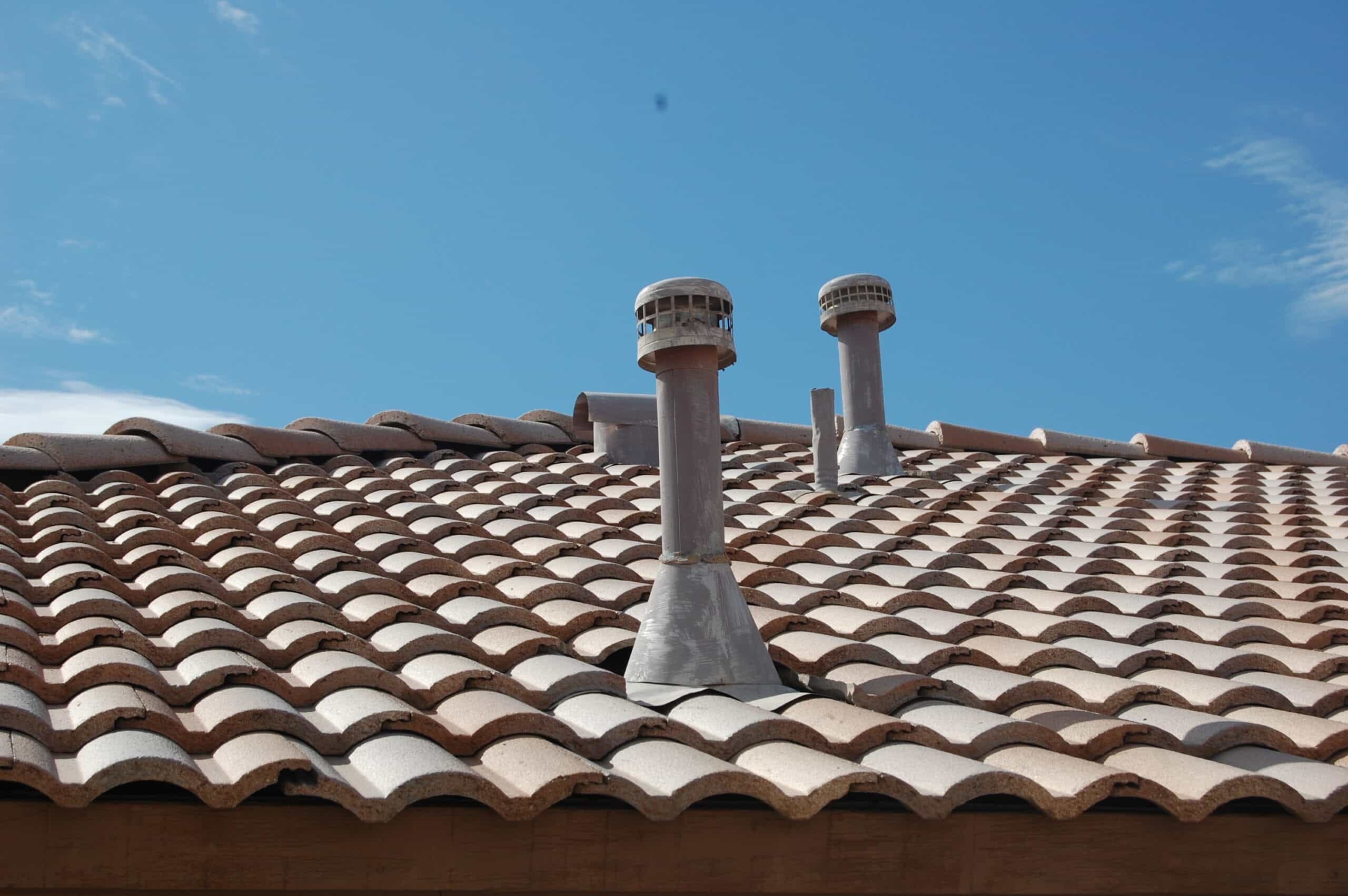
*Concrete & Clay Tile** — Dominant system across the tri-county area; resists UV and salt corrosion exceptionally well (concrete 40-50 years, clay 50+ years). Heavy — structure must be verified to carry the load — and the underlayment beneath usually fails before the tile does.
02. Option 2
*Standing-Seam Metal** — Concealed-fastener system lasting 40-70 years with strong wind-uplift performance and good wind-mitigation scoring. Costs more upfront but has fewer long-term water-intrusion points than exposed-fastener systems.
03. Option 3
*5V-Crimp / Exposed-Fastener Metal** — Budget-friendlier metal option; still strong durability but exposed fasteners need periodic inspection/re-torquing over the roof’s life.
04. Option 4
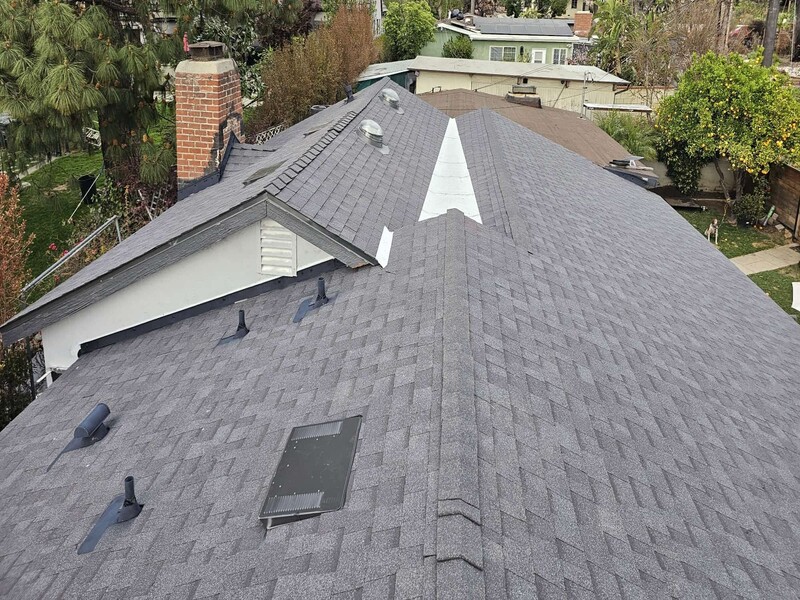
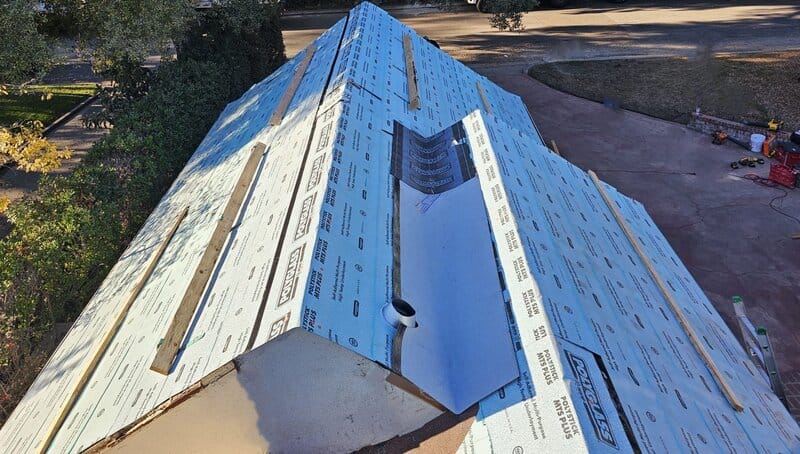
*Architectural Asphalt Shingle** — Most affordable, fastest to install; shorter lifespan in Florida’s UV/heat than in milder climates. Requires NOA-rated product and high-wind fastening pattern in HVHZ.
05. Option 5
*Flat / Low-Slope Systems (Modified Bitumen & TPO)** — For additions, garage conversions, ADUs, low-slope sections. Modified bitumen has a long FL track record; TPO reflects heat well and repairs easily in sections. Seam quality determines longevity.
Not sure which option fits your home? We’ll walk the trade-offs on-site. Call 754-236-0675 | Get A Free Estimate
What Drives The Cost
- Roof size and pitch — Square footage is the baseline, but cut-up rooflines (hips, valleys, dormers) add labor and waste beyond square footage alone.
- Material choice — The single biggest cost lever; shingle/metal/tile occupy very different price tiers, and standing-seam costs more than exposed-fastener metal.
- Tear-off vs. overlay — Full tear-off costs more than overlay, but code and warranties generally disallow overlay in HVHZ or on tile.
- Structural repairs — Rotted decking, damaged trusses, or fascia/soffit issues surfacing after tear-off are the most common source of costs exceeding the initial estimate.
- Code and permit requirements — HVHZ properties require NOA-rated products, full-deck secondary water resistance, and specific fastening patterns, all costing more than standard-code installs elsewhere in the state.
- Accessibility and site conditions — Roof height, pitch, staging space, and landscaping affect crew speed and safety; tile has a higher breakage rate on steep/hard-to-access roofs.
Get a real, itemized estimate — no surprise change orders. Call 754-236-0675 | Get A Free Estimate
Our Process
01. Roof Assessment & Inspection
02. Material & System Selection
03. Permitting & NOA Compliance
04. Tear-Off & Installation
05. Final Inspection & Warranty
On-site evaluation of the existing roof, decking, and any active leaks or storm damage, plus a review of age and permit history to determine repair vs. replacement.
Recommend a roofing system (tile, metal, shingle, or flat/modified bitumen) based on structure, budget, and wind-mitigation goals, with real trade-offs explained.
Pull the roofing permit, confirm every specified product carries the required Notice of Acceptance or Florida Product Approval, and schedule required inspections before work begins.
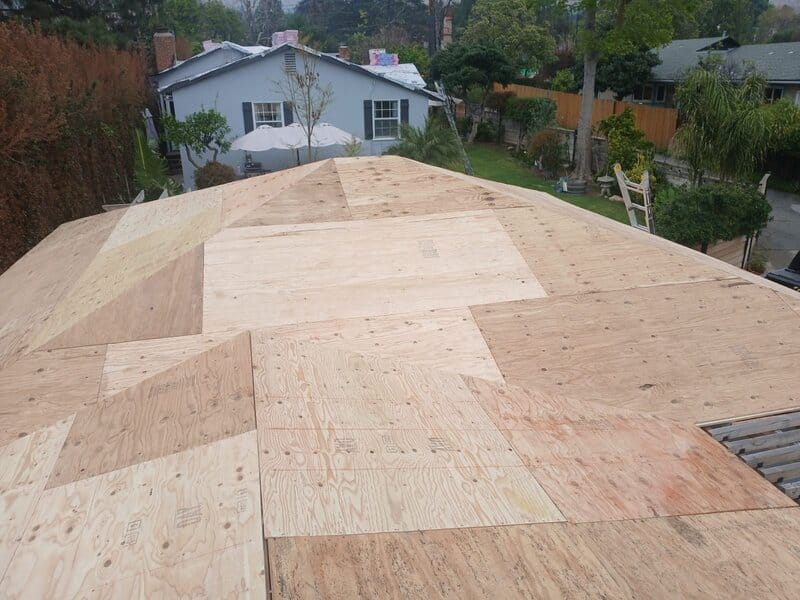
Remove the existing roof to bare decking, repair any compromised sheathing, then install underlayment, flashing, and the new covering to code/manufacturer fastening specs.
Pass the local building department’s final roof inspection, then register the manufacturer material warranty and provide our workmanship warranty plus wind-mitigation documentation.
One point of contact, start to finish — us. Call 754-236-0675 | Get A Free Estimate
Recent Roofing Work
See something close to your project? Let’s talk specifics. Call 754-236-0675 | Get A Free Estimate
See How We Work
AI-generated illustrative footage of a general construction framing/insulation process (not a specific Elbaz project or location).
AI-generated illustrative footage of a general room-addition framing process (not a specific Elbaz project or location).
Want a real walkthrough before you commit to anything? Call 754-236-0675 | Get A Free Estimate
Roofing Services In South Florida Questions, Answered
1 How much does it actually cost to replace a roof in South Florida?
It depends heavily on material and roof size, but for a typical single-family home, architectural shingle replacement usually lands in the low-to-mid five figures, metal roofing runs meaningfully higher, and tile is generally the most expensive upfront. South Florida costs also tend to run above the national average because HVHZ-compliant materials, fastening, and underlayment cost more than standard-code installations elsewhere.
2 My roof is 17 years old — is my insurance company going to drop me?
Not automatically. Florida law prevents insurers from refusing to renew a policy solely because a roof is old, but once a roof passes 15 years, insurers can require proof it's still sound. A licensed inspector can certify at least five more years of useful life, and if it passes, your insurer legally has to keep you covered on that basis.
3 Do I really need a permit just to fix a few missing shingles?
For most roofing repairs, yes. Unpermitted roof work can create problems with manufacturer warranties and when you sell the house, and in Miami-Dade or Broward specifically, it means no one verified your materials carry the required Notice of Acceptance.
4 What's the actual difference between tile, metal, and shingle roofs for a house like mine?
Tile holds up extremely well to UV and salt air but is heavy, the priciest option, and can crack from impact. Standing-seam metal costs more upfront but can last 40-70 years and often scores better on wind-mitigation inspections. Architectural shingle is the most affordable and fastest to install but has the shortest lifespan of the three here.
5 What does "HVHZ" mean and does it actually affect my roof?
High-Velocity Hurricane Zone — covers Miami-Dade and Broward specifically (Palm Beach is not HVHZ but is in the state's Wind-Borne Debris Region). In Miami-Dade/Broward, every roofing product needs a Miami-Dade Notice of Acceptance, and fastening/underlayment requirements are more stringent than the rest of the state. It's a direct legacy of Hurricane Andrew.
6 How long does a full roof replacement actually take?
Physical tear-off/install is usually one to two days for shingle, two to four for metal, three to five for tile. Permitting, material lead times, and inspections stretch the total project to one to several weeks.
7 What's the difference between a manufacturer warranty and a workmanship warranty?
Manufacturer warranty covers material defects and typically runs 20-50 years (often prorated). Workmanship warranty covers installation and is contractor-provided, usually much shorter — commonly one to two years. A strong material warranty is worthless if the installation itself was the problem.
8 How do I know if storm damage is bad enough to file an insurance claim?
Missing/displaced tiles or shingles, visible holes, active leaking, and debris punctures are clear claim territory. Less obvious: granule loss in gutters, lifted/creased shingles, cracked tiles visible from the ground, and new interior ceiling staining after a storm. Document with photos soon after the event given Florida's claim-filing deadlines.
Still have questions? Talk to a licensed contractor, not a call center. Call 754-236-0675 | Get A Free Estimate
What South Florida Homeowners Say
Join our verified homeowners. Call 754-236-0675 | Get A Free Estimate
Why Homeowners Choose Elbaz Construction
Licensed General Contractor
Real Regional Expertise
One Point Of Contact
Real Reviews, Real Reputation
Real license. Real permits. Real accountability. Call 754-236-0675 | Get A Free Estimate
From The Blog
More guides at our Resource Center. Call 754-236-0675 | Get A Free Estimate
More From The Field
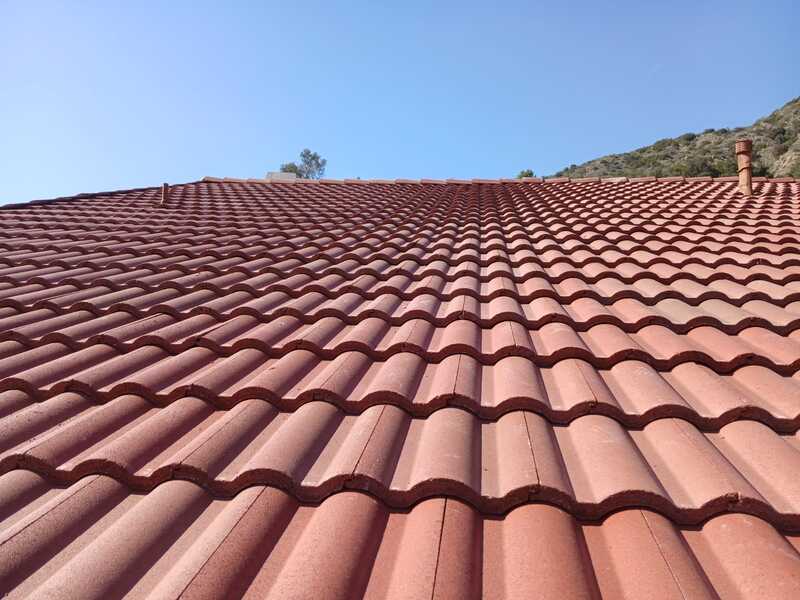
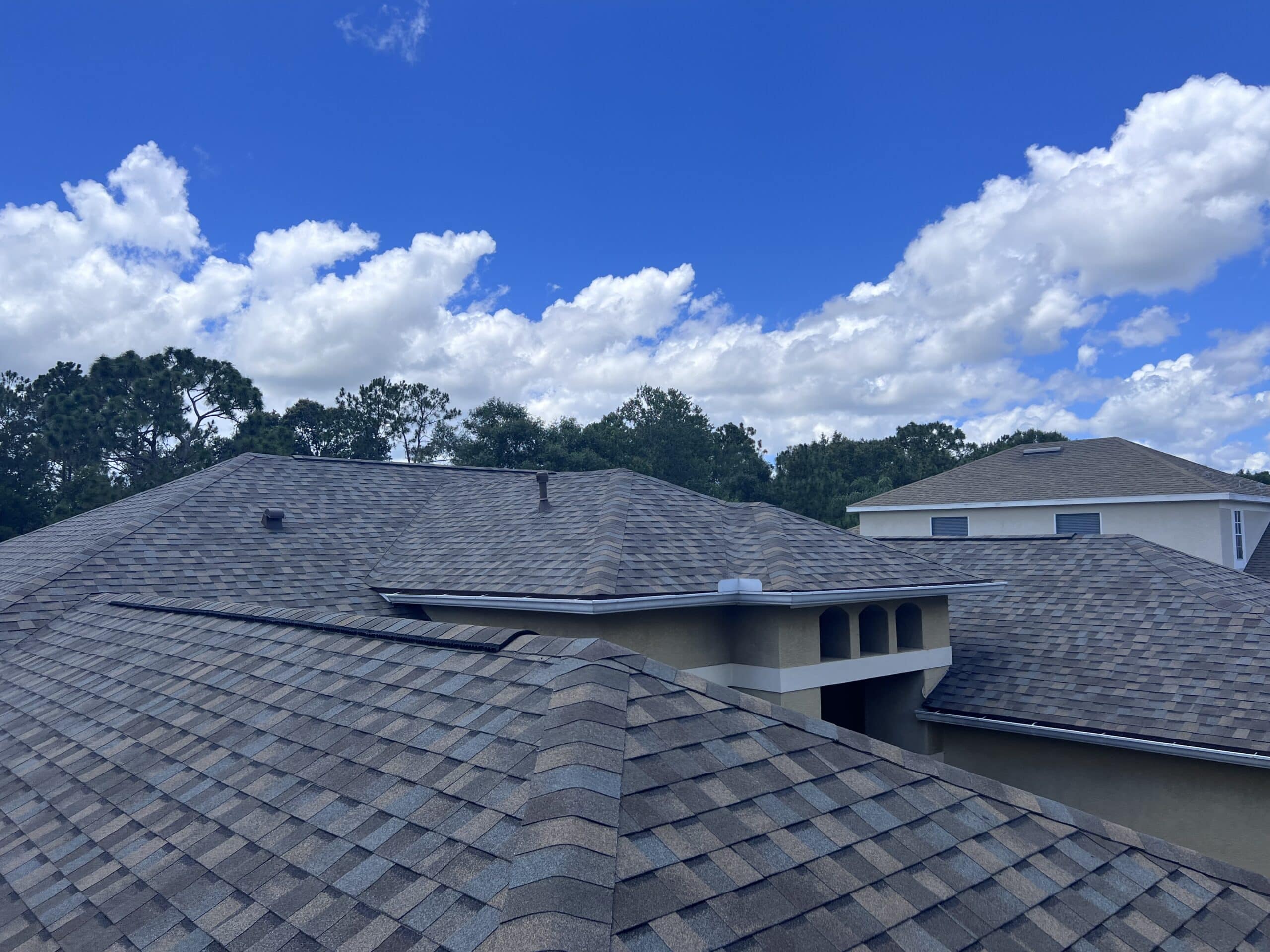
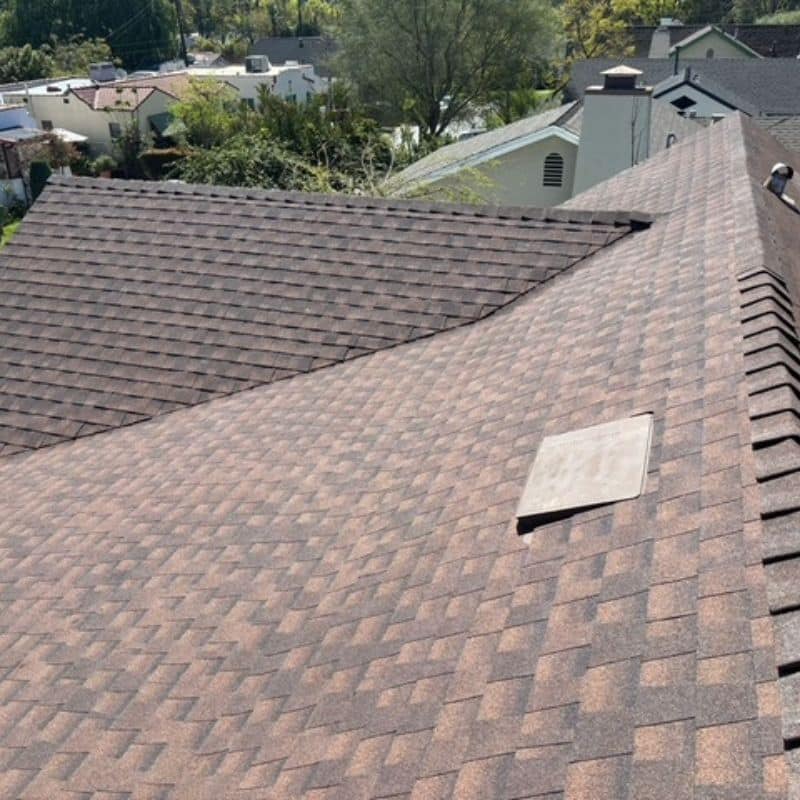
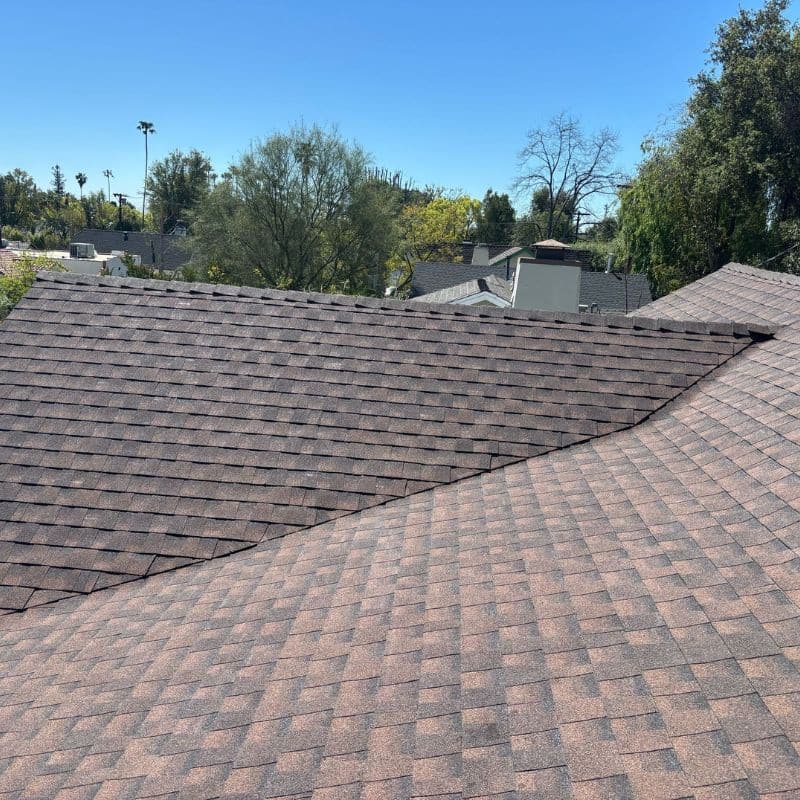
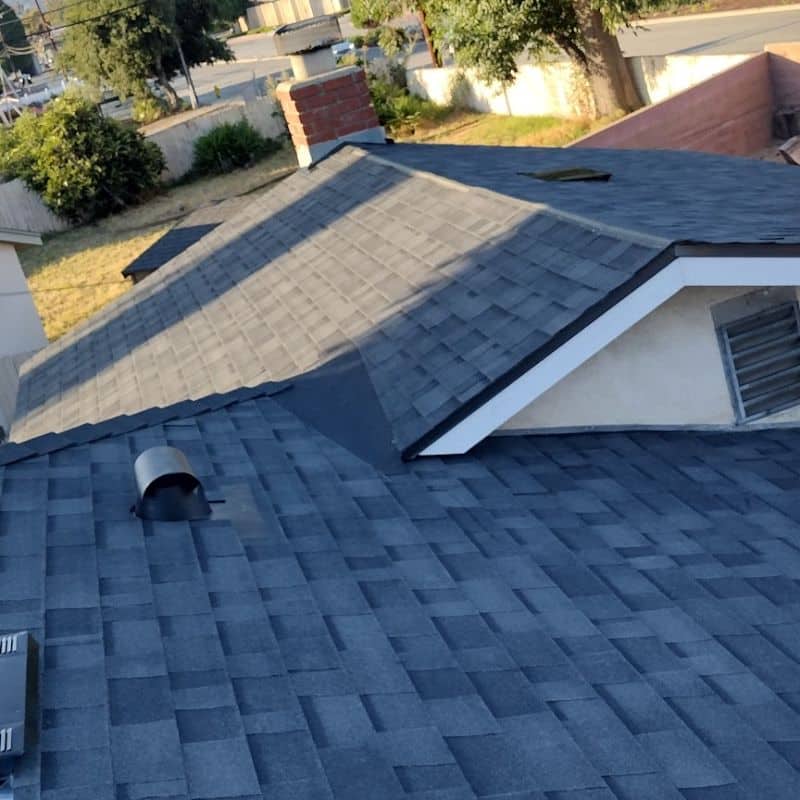
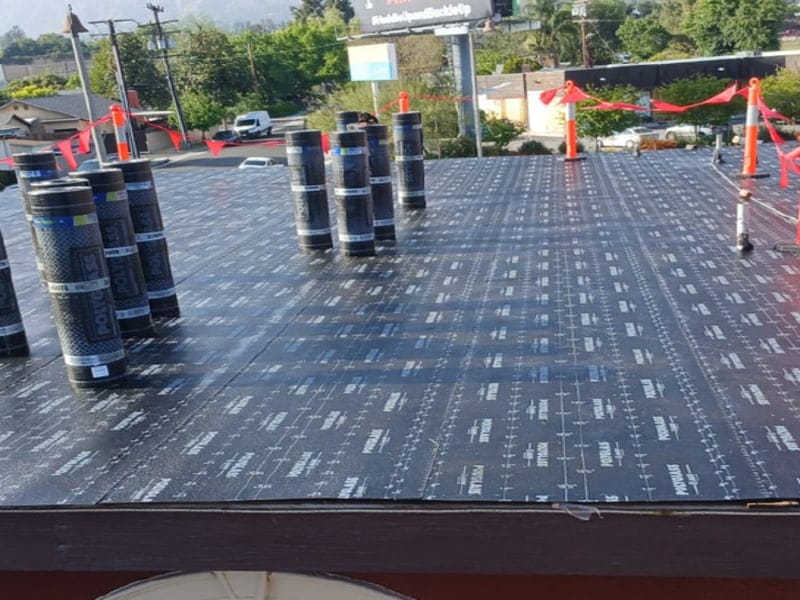
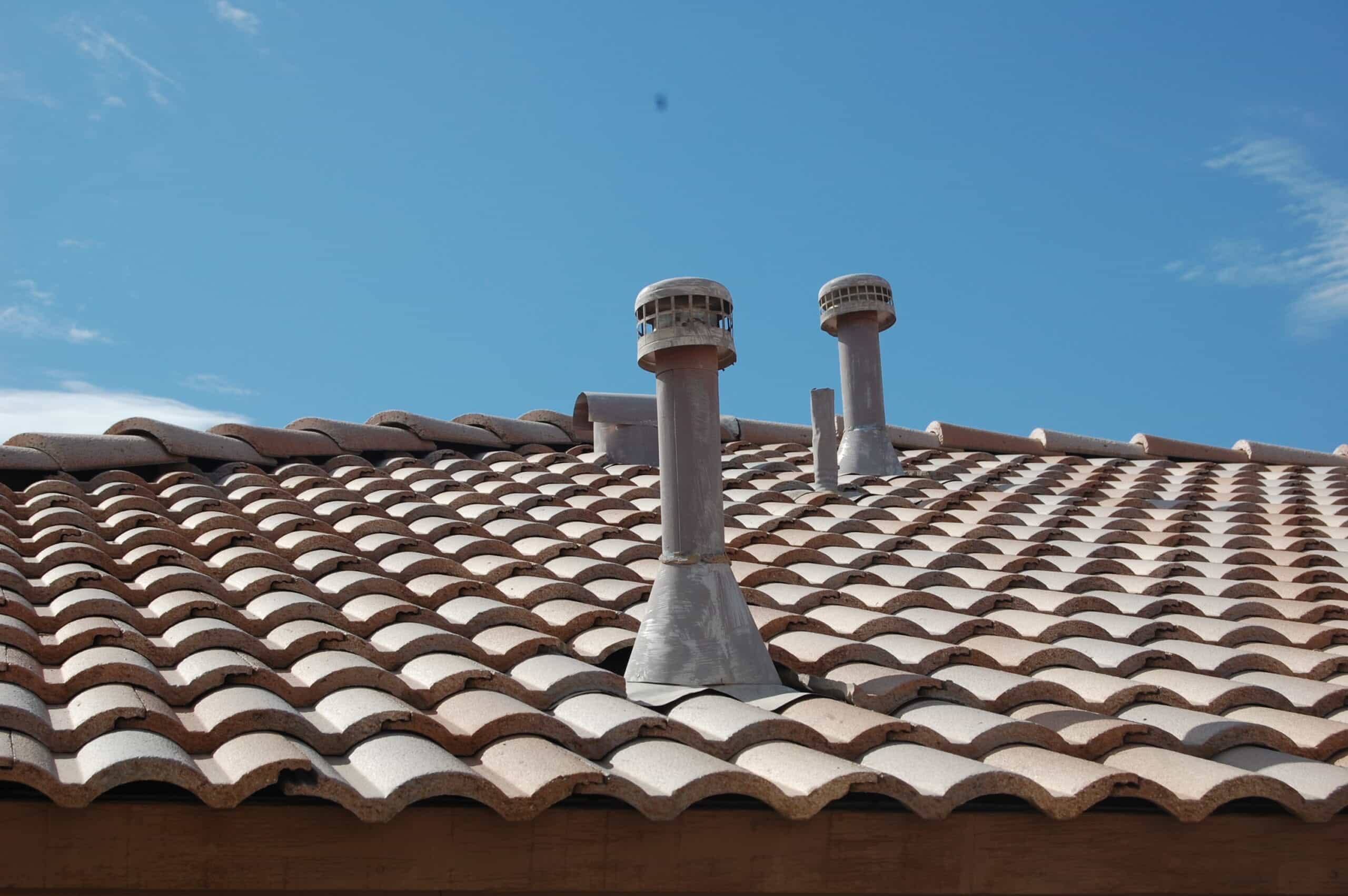
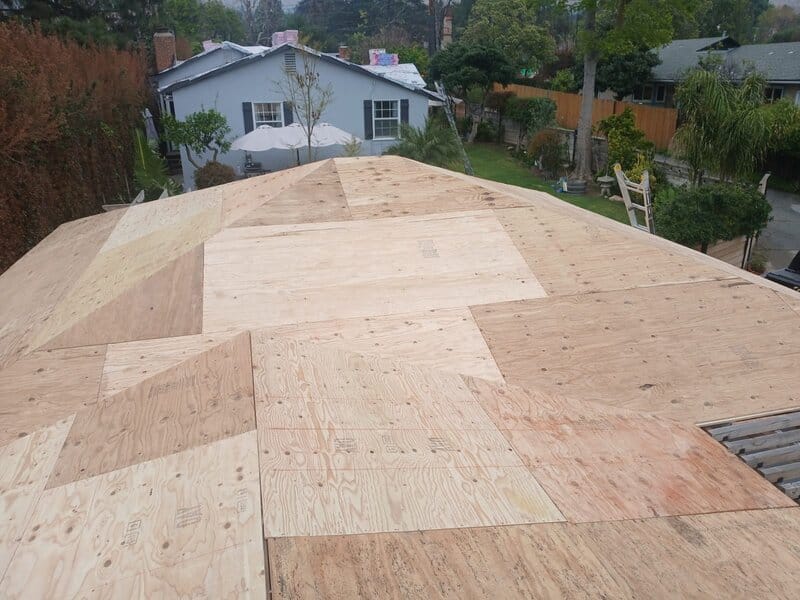
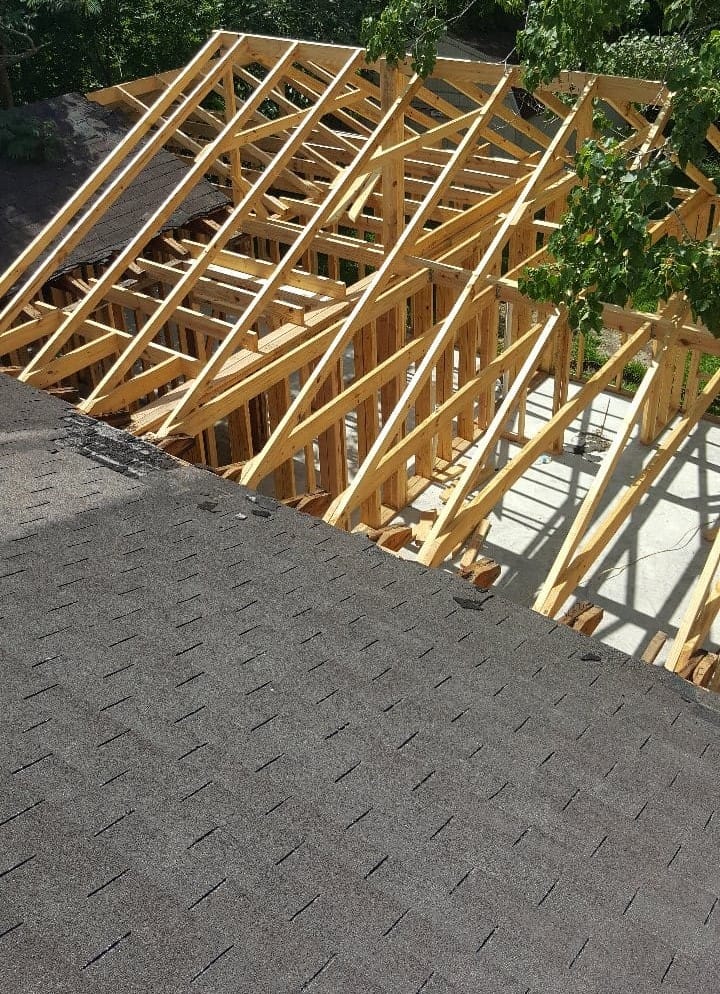
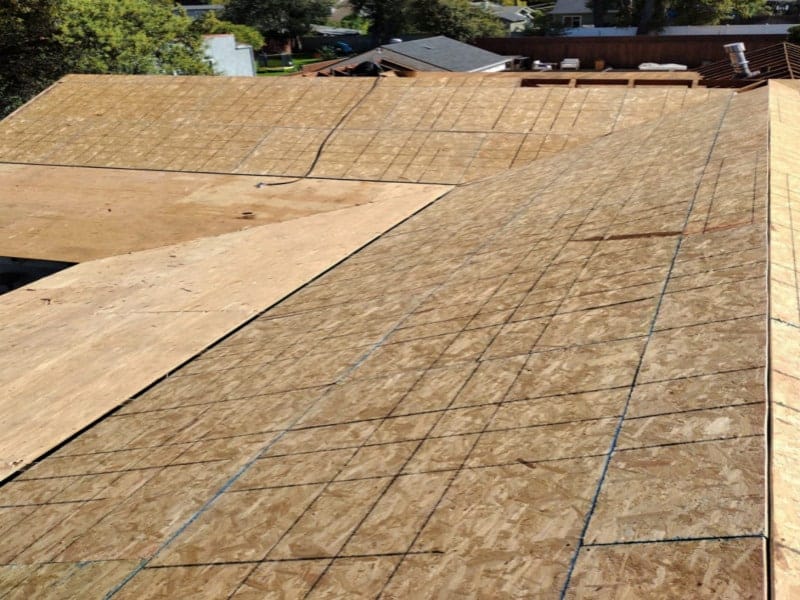
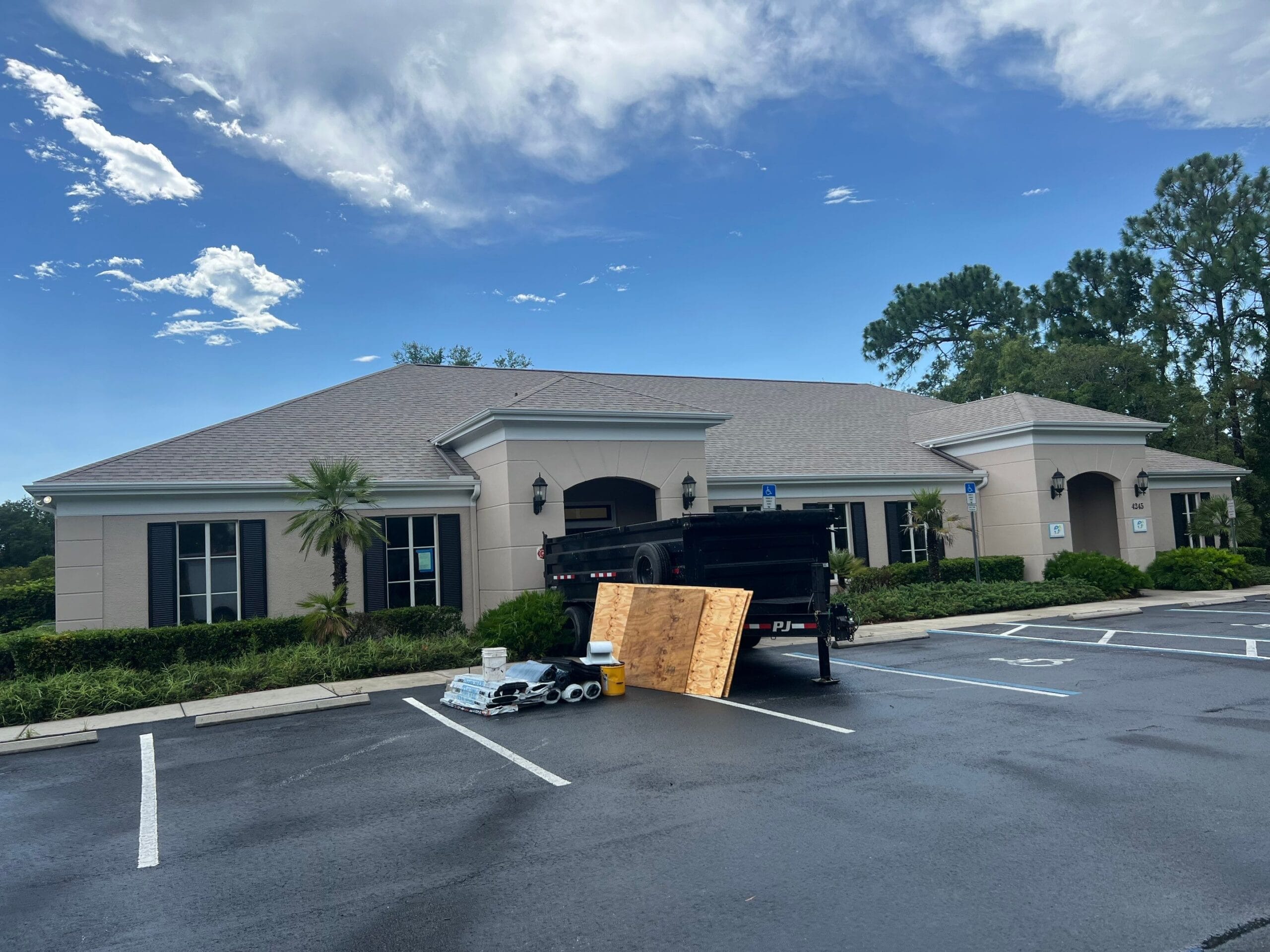
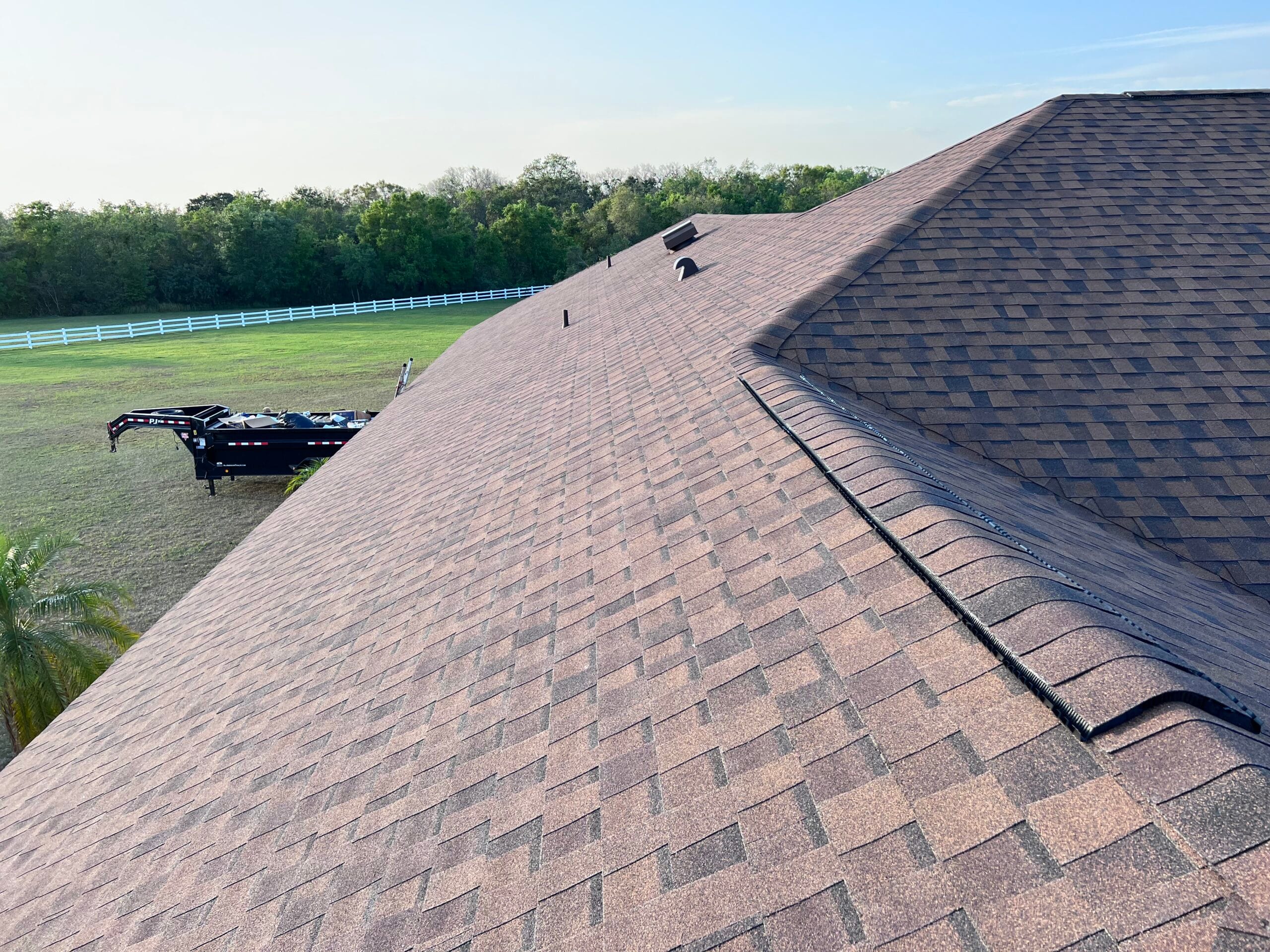
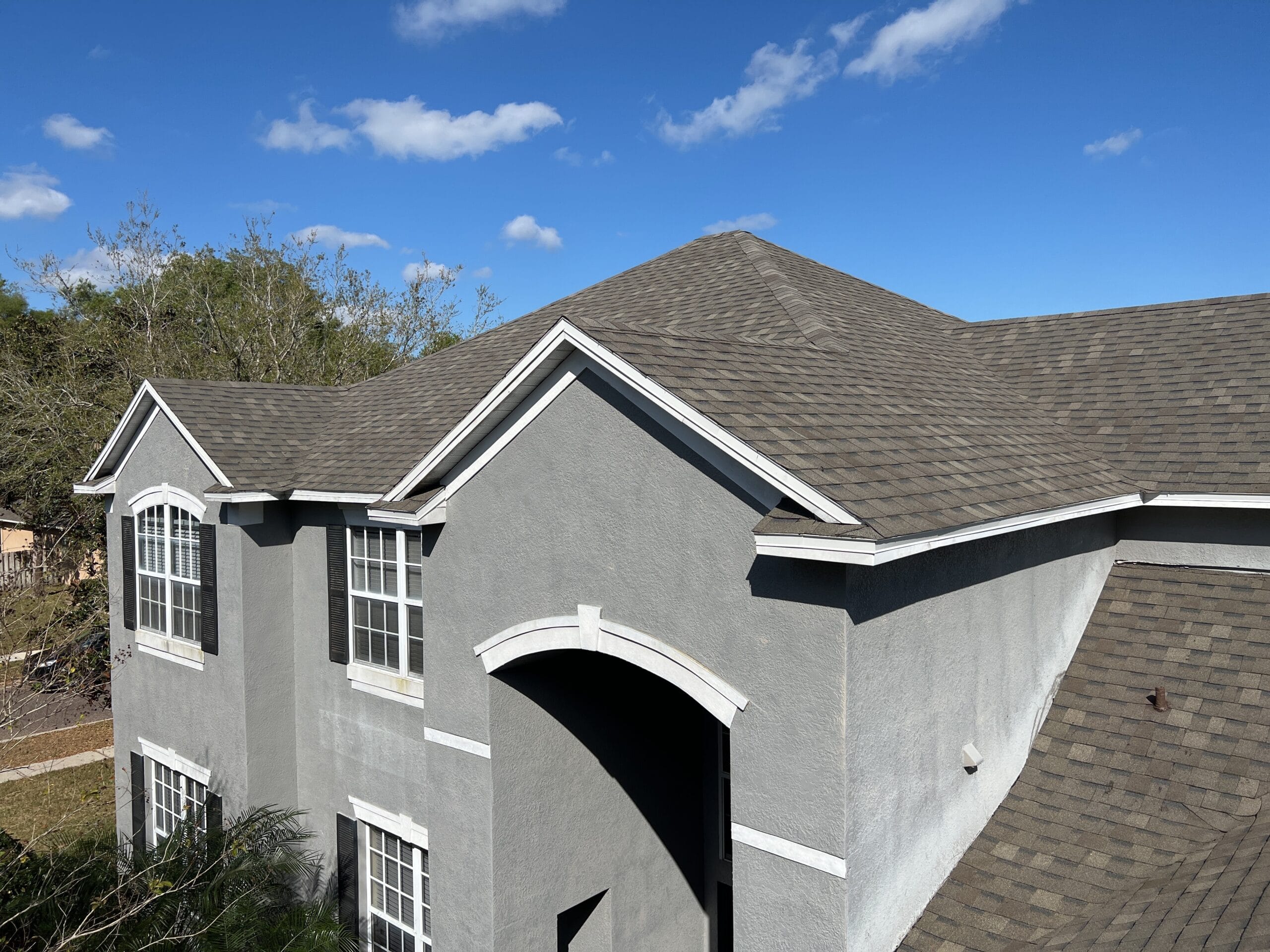
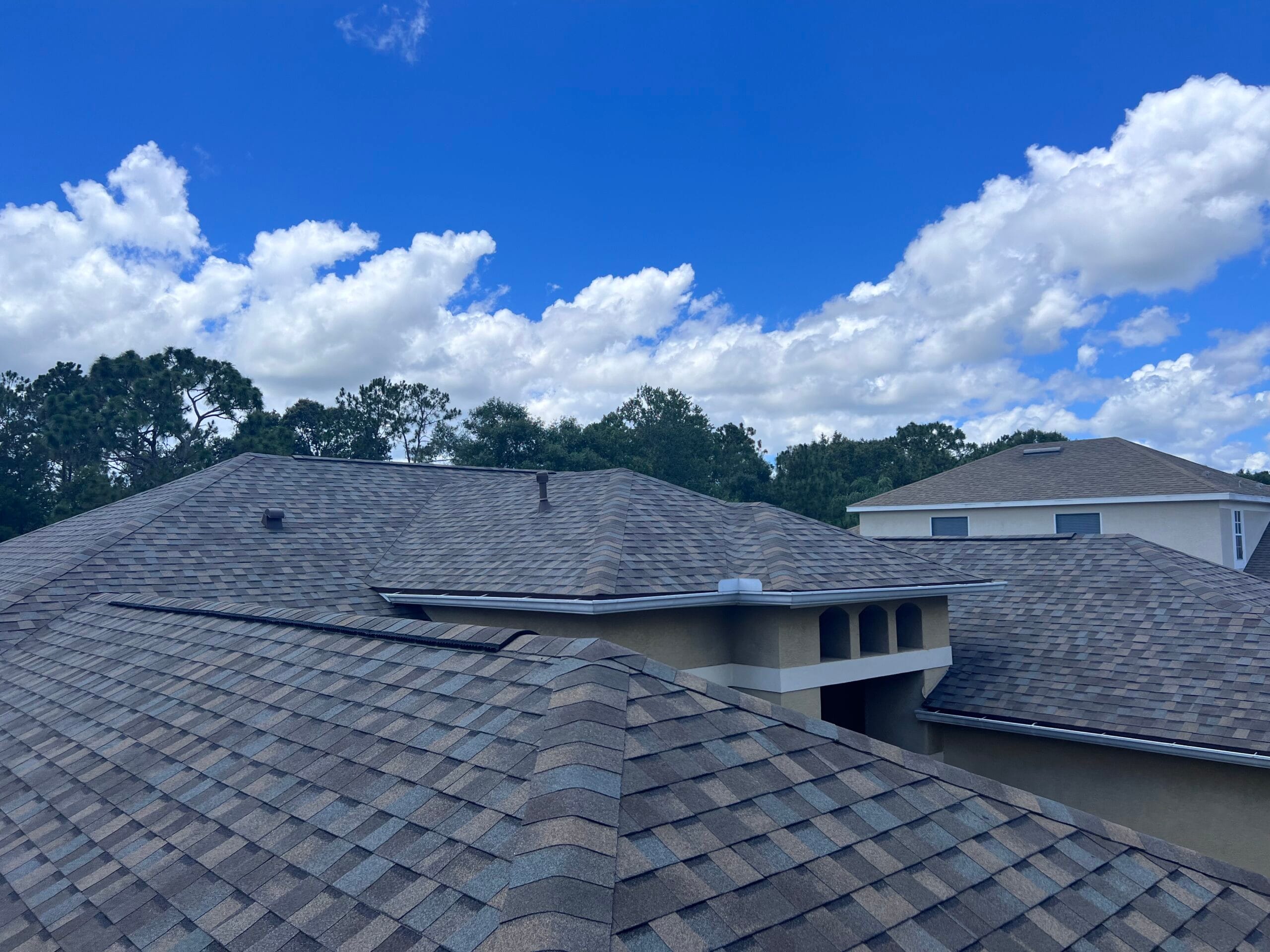
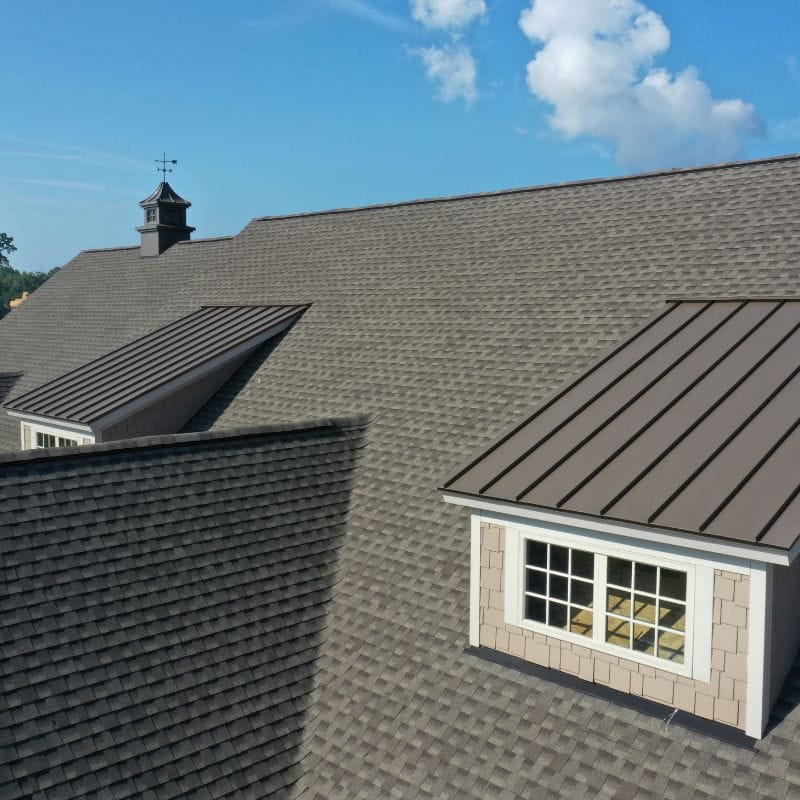
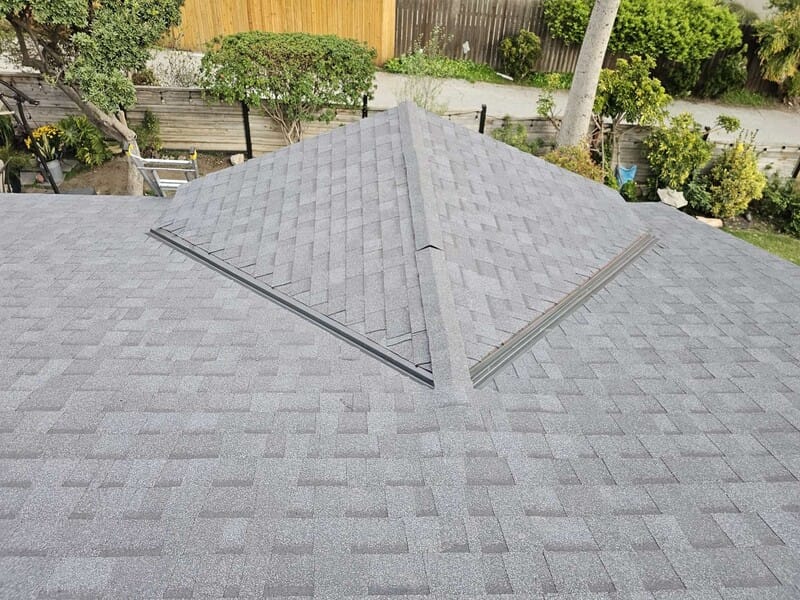
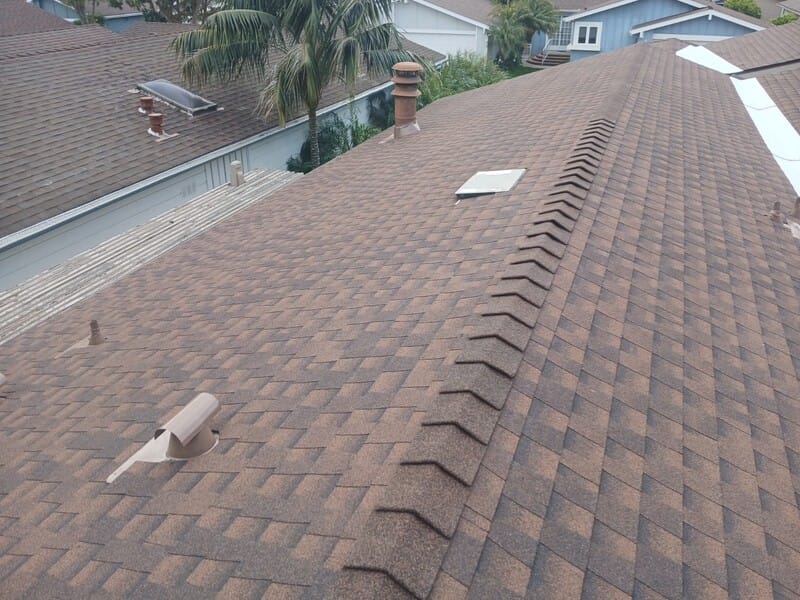
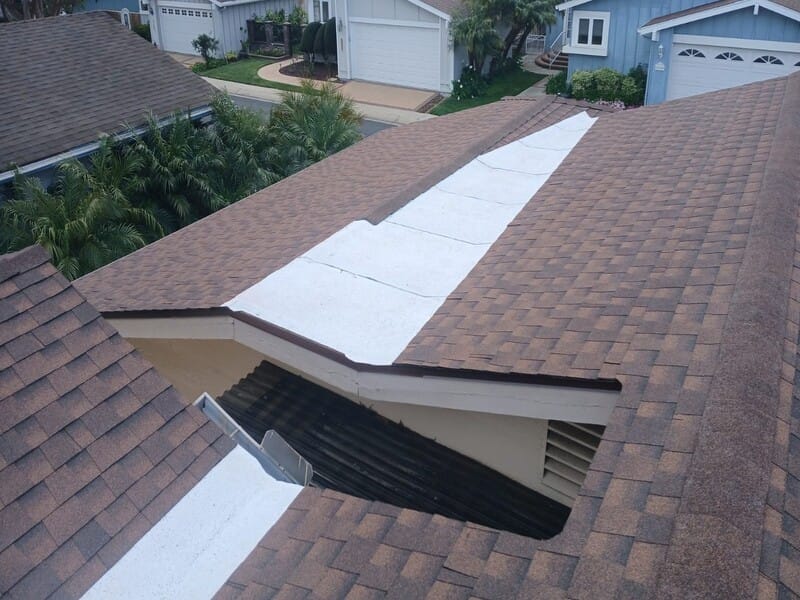
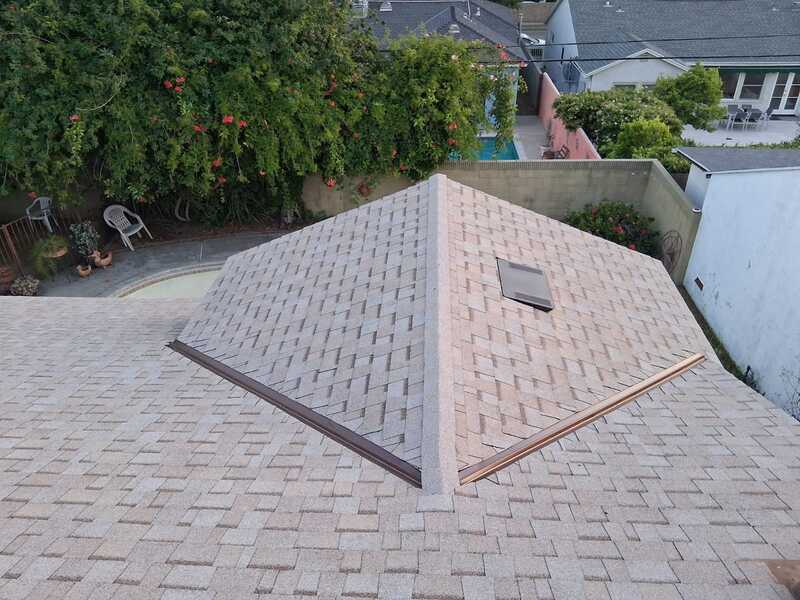
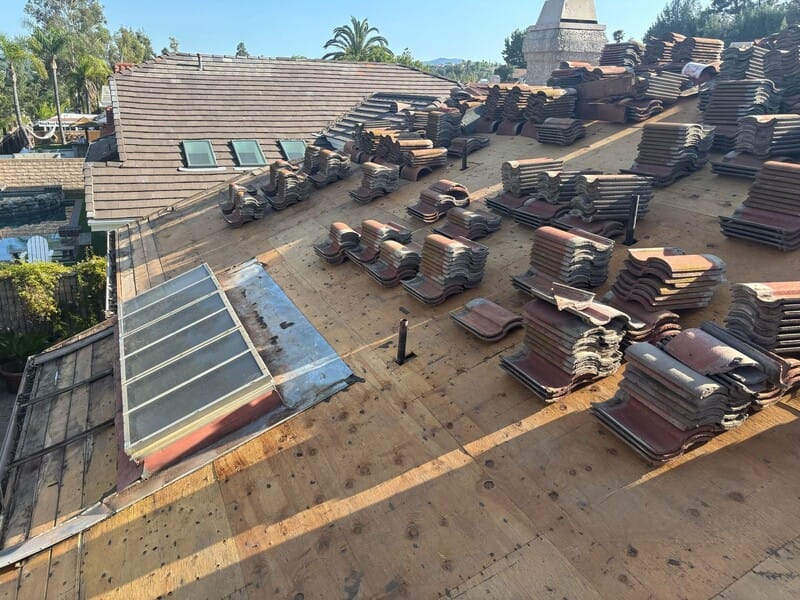
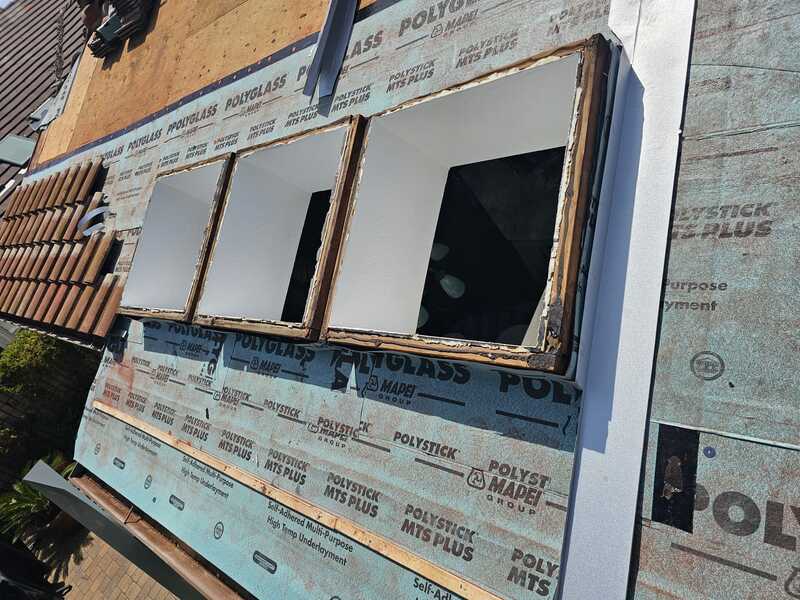
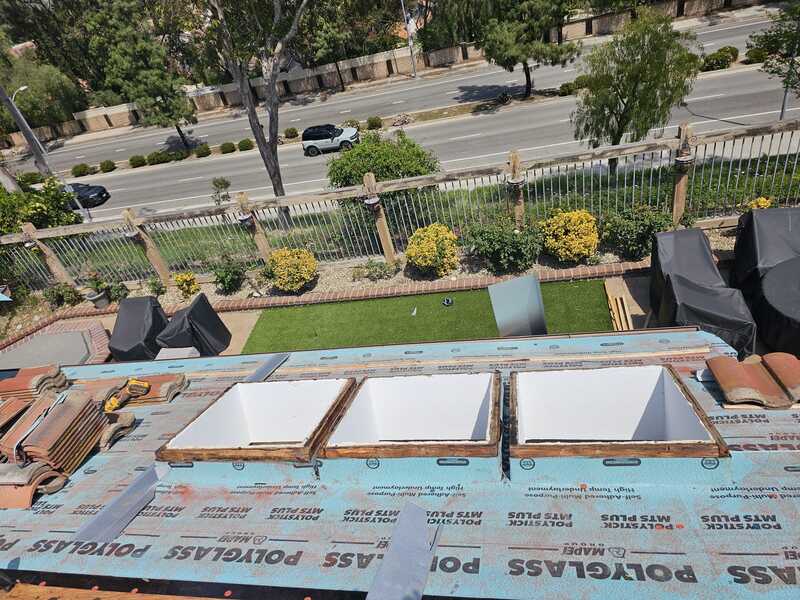
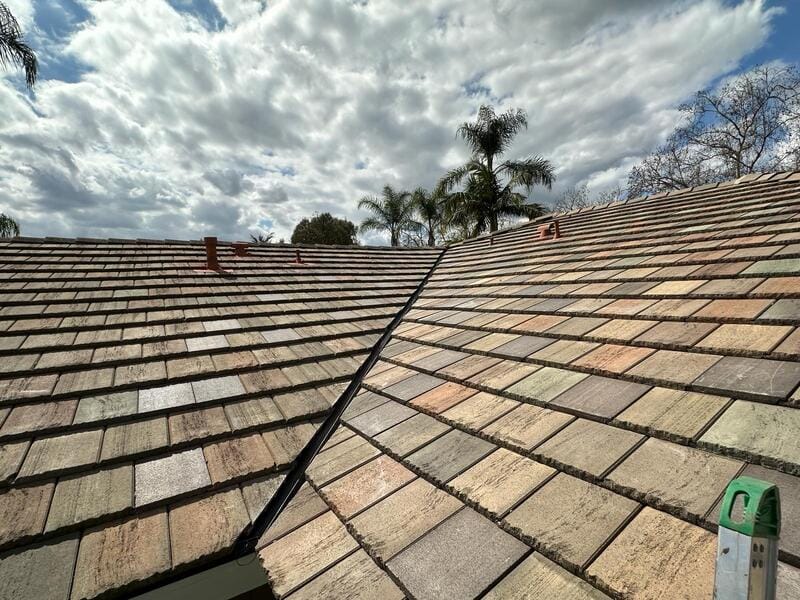
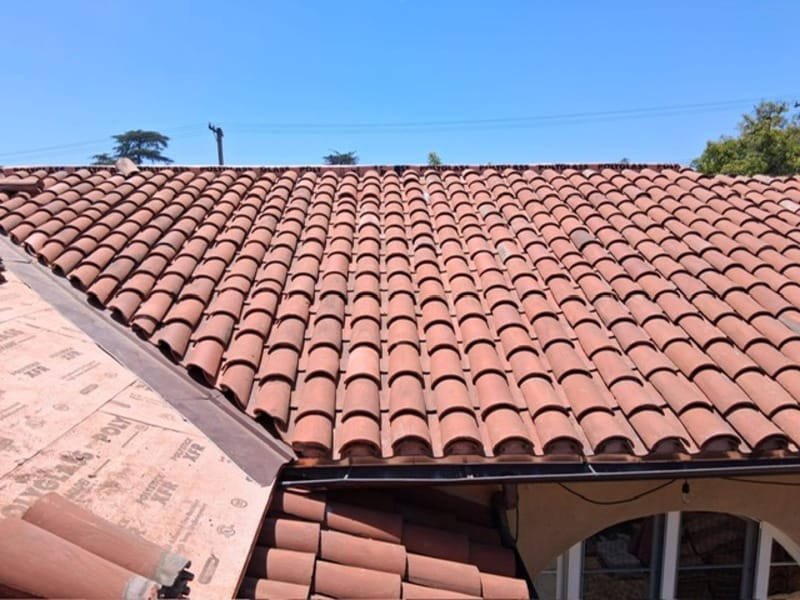
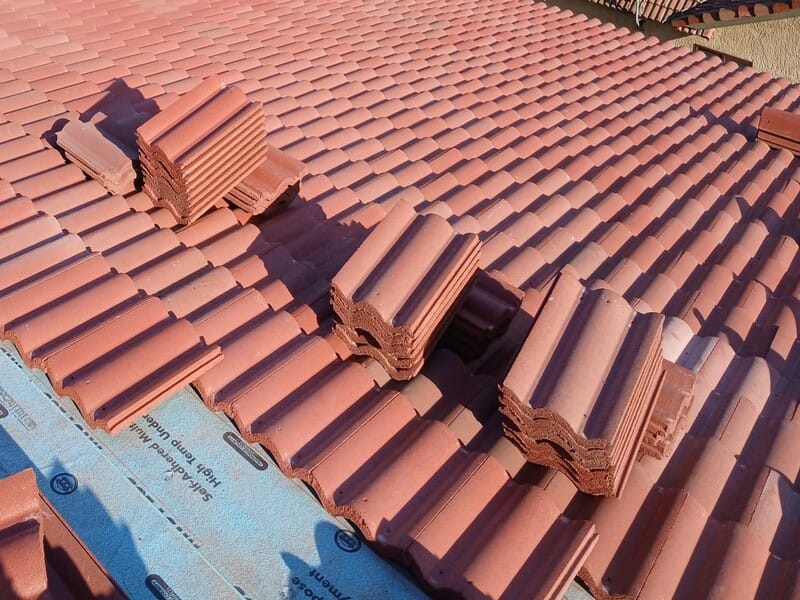
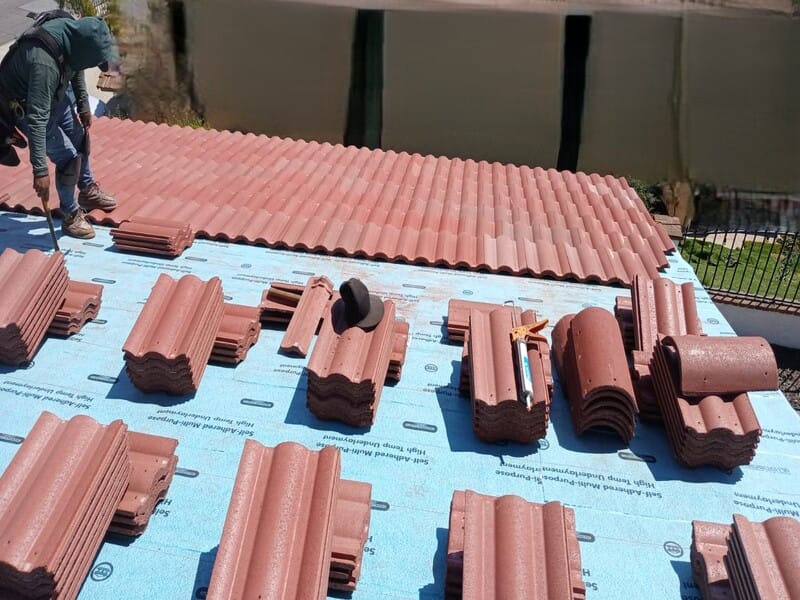
Every photo here is real Elbaz roofing work. Call 754-236-0675 | Get A Free Estimate
Explore Related Services
One contractor for the whole project — start to finish. Call 754-236-0675 | Get A Free Estimate
Financing
Find out if you're eligible for financing and turn your construction dream into a reality with the necessary funding.
 See If You Qualify
Get Financing Today
Financing Solutions for Your Home
Finding the right financing solution for your home can be a challenge, but with the right approach, you can secure the funding you need to make your dream home a reality.
Elbaz Construction works with four financing partners — Synchrony, Service Finance, Ygrene and Renew Financial — so you can explore your options before committing to a final construction scope.
See how each partner works, what each one typically covers and which suits your project on our financing page. Financing is subject to lender approval, program eligibility and current lender terms. Elbaz Construction is not a lender.
0% and low-interest financing options available — ask us how. Call 754-236-0675 | Get A Free Estimate
We serve Broward County and the following cities:
Coconut Creek | Cooper City | Coral Springs | Dania Beach | Davie | Deerfield Beach | Fort Lauderdale | Hallandale Beach | Hillsboro Beach | Hollywood | Lauderdale-by-the-Sea | Lauderdale Lakes | Lauderhill | Lazy Lake | Lighthouse Point | Margate | Miramar | North Lauderdale | Oakland Park | Parkland | Pembroke Park | Pembroke Pines | Plantation | Pompano Beach | Sea Ranch Lakes | Southwest Ranches | Sunrise | Tamarac | West Park | Weston | Wilton Manors
We serve Miami-Dade County and the following cities:
Aventura | Bal Harbour | Bay Harbor Islands | Biscayne Park | Coral Gables | Cutler Bay | Doral | El Portal | Florida City | Golden Beach | Hialeah | Hialeah Gardens | Homestead | Indian Creek | Key Biscayne | Medley | Miami | Miami Beach | Miami Gardens | Miami Lakes | Miami Shores | Miami Springs | North Bay Village | North Miami | North Miami Beach | Opa-Locka | Palmetto Bay | Pinecrest | South Miami | Sunny Isles Beach | Surfside | Sweetwater | Virginia Gardens | West Miami
We serve Palm Beach County and the following cities:
Atlantis | Belle Glade | Boca Raton | Boynton Beach | Briny Breezes | Cloud Lake | Delray Beach | Glen Ridge | Golf | Greenacres | Gulf Stream | Haverhill | Highland Beach | Hypoluxo | Juno Beach | Jupiter | Jupiter Inlet Colony | Lake Clarke Shores | Lake Park | Lake Worth | Lantana | Loxahatchee Groves | Manalapan | Mangonia Park | North Palm Beach | Ocean Ridge | Pahokee | Palm Beach | Palm Beach Gardens | Palm Beach Shores | Palm Springs | Riviera Beach | Royal Palm Beach | South Bay | South Palm Beach | Tequesta | Wellington | Westlake | West Palm Beach
We’re local — Miami-Dade, Broward & Palm Beach, every day. Call 754-236-0675 | Get A Free Estimate
Ready To Get Started? Get Your Free Roofing Services In South Florida Estimate
Free Estimate
"*" indicates required fields
Sub Heading
Let’s Talk About Your Roofing Services In South Florida.
Storm Damage, Insurance & Your Roof
South Florida roofs take a beating from hurricanes, tropical storms, and hail. Here is what homeowners actually need to know about repair, insurance rules, and the programs available to help pay for storm-hardening work.
Storm Damage Repair & Documentation
After a storm, our first priority is stopping further damage — emergency tarping for exposed roof decking, followed by a full inspection to document every affected area. We provide detailed repair estimates and photo documentation of the damage and the completed work, which you can submit to your insurance carrier as part of your own claim. Elbaz Construction provides repair documentation, not insurance claims representation — filing, negotiating, or disputing a claim is between you and your insurer (or a licensed public adjuster or attorney if you choose to hire one; see below).
Missing shingles, broken tiles, and active leaks should be addressed as soon as it is safe to do so — a covered roof that sits open to weather for days can develop secondary damage (interior water intrusion, mold, decking rot) that a fast tarp-and-repair response prevents.
The information in this section is general educational content about Florida law and insurance programs — not legal, insurance, or public-adjusting advice. Confirm details with your insurance carrier, the Florida Office of Insurance Regulation, or a licensed attorney before making coverage or claims decisions.
Florida's 15-Year Roof Insurance Rule
Under Florida law (Fla. Stat. §627.7011(5)), an insurer cannot refuse to issue or renew a homeowners policy solely because a roof is less than 15 years old. For roofs 15 years or older, you can pay for an independent inspection from an authorized inspector (a licensed home inspector, building code inspector, contractor, engineer, or architect); if that inspection certifies at least 5 years of remaining useful life, the insurer cannot decline renewal on roof-age grounds alone. This applies to homeowners policies specifically, not condo-association or landlord policies.
The 25% Roof Replacement Rule
Florida Building Code generally requires a full re-roof to current code if more than 25% of the roof area is repaired or replaced within a 12-month period. A 2022 exception (Fla. Stat. §553.844(5)) allows only the worked portion to meet current code — not the entire roof — if the existing roof was built or last repaired to the 2007 Florida Building Code or later, materials are compatible, and a licensed engineer or qualified roofing contractor certifies the change will not compromise the structure.
Wind Mitigation Inspection & Insurance Discount
A wind mitigation inspection documents storm-resistant features of your home — hip roof shape, impact-rated windows and doors, reinforced roof-to-wall connections, a sealed roof deck, and more — on the state-standard OIR-B1-1802 form. Florida law (Fla. Stat. §627.0629) requires insurers to disclose and apply a premium discount for verified features; the exact discount amount is filed per insurance carrier and varies by policy, and industry sources typically describe savings in the range of 20–45% depending on which features your home has. The inspection is valid for up to 5 years absent structural changes. Ask your insurance agent for your carrier’s specific discount schedule before scheduling an inspection. See our construction & insurance glossary for definitions of HVHZ, NOA, and related terms.
My Safe Florida Home Program
My Safe Florida Home is a state grant program (Fla. Stat. §215.5586) that provides a free or subsidized wind mitigation inspection, then a matching grant of up to $10,000 toward hurricane-hardening work such as impact windows, impact doors, impact garage doors, hurricane shutters, and roof improvements. The current program cycle is limited to low- and moderate-income homeowners with a homestead exemption, and funding is subject to annual legislative appropriation — availability and application status change through the year. Check current eligibility, funding status, and how to apply directly at mysafeflhome.com before planning around this program.
Public Adjusters and Roofing Contractors: What Each One Does
Informational only — not a recommendation for or against hiring either.
These are two separate, separately-licensed roles. A public adjuster is licensed under Florida Statutes Chapter 626, Part VI to represent policyholders in the insurance claims process — documenting damage, valuing the claim, and negotiating with the insurance company on your behalf, typically for a percentage fee. A licensed roofing contractor like Elbaz is licensed under Chapter 489 to perform the actual construction work — inspection, repair, and replacement — and can provide photo documentation and a repair estimate an insurer or adjuster can review.
Elbaz Construction does not provide public-adjusting or claims-advocacy services. If you want representation in disputing or negotiating a claim, that is a decision between you and a state-licensed public adjuster or an attorney. If your claim is denied or you believe it was undervalued, Florida policyholders generally have the right to appeal through their insurer and, if needed, seek outside help — a licensed public adjuster or attorney can advise on your specific options and any applicable filing deadlines.
Storm & Insurance Questions, Answered
1 Does homeowners insurance cover hurricane roof damage in Florida?
Most Florida homeowners policies cover wind and hurricane damage to a roof, subject to your specific policy terms, deductibles (including any separate hurricane deductible), and exclusions. Coverage details vary by carrier and policy -- review your declarations page or ask your agent for specifics.
2 How old can my roof be before insurance requires replacement?
Florida law does not let an insurer refuse to renew a homeowners policy solely because a roof is under 15 years old. For roofs 15 years or older, an independent inspection certifying 5+ years of remaining useful life can preserve your renewal on roof-age grounds. Individual carriers may still have their own underwriting standards beyond this statutory floor.
3 What is the Florida 25% roof replacement rule?
Florida Building Code generally requires repairs covering more than 25% of a roof area within 12 months to bring the entire roof up to current code -- unless the existing roof was built or repaired to the 2007 code or later, in which case only the repaired portion needs to meet current code, per a 2022 exception (Fla. Stat. section 553.844(5)).
4 How much can a wind mitigation inspection save on my insurance?
The discount is set by your specific insurance carrier and filed with the state, so it varies by policy -- industry sources commonly describe savings in the 20-45% range depending on which storm-resistant features your home has. Ask your agent for your carrier’s exact discount schedule.
5 Is My Safe Florida Home still funded and accepting applications?
The program runs on annual legislative appropriation, so funding and application status change during the year. Check current eligibility and status directly at mysafeflhome.com before planning around it -- do not rely on a funding figure from an old blog post or article.
6 Should I hire a public adjuster after storm damage to my roof?
That is a personal decision between you and a state-licensed public adjuster or attorney -- Elbaz Construction is a licensed general contractor, not a claims representative, and does not advise homeowners on claims strategy. We can provide photo documentation and a repair estimate to support whatever process you choose.
7 Do I need a permit for emergency roof repair after a hurricane?
Yes -- roofing work in Miami-Dade and Broward requires a permit and products with a valid Notice of Acceptance (NOA), even for storm repairs. Emergency tarping to stop further damage is typically not permit-triggering, but the actual repair or replacement is. We handle the permitting as part of the job.
Storm damage? Get a documented repair estimate today. Call 754-236-0675 | Get A Free Estimate

